
NYTM 2026 CALENDAR
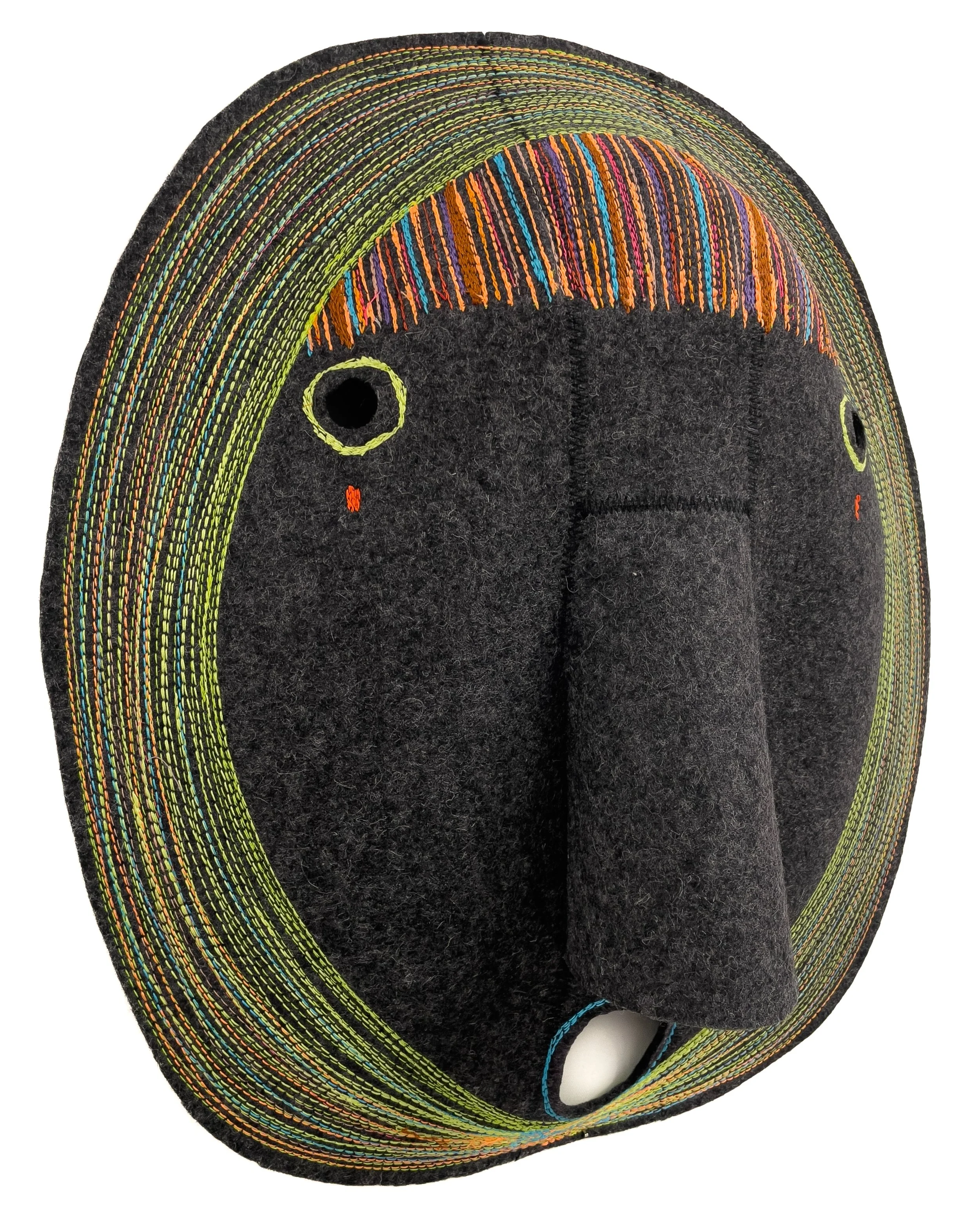
work by Elodie Blanchard
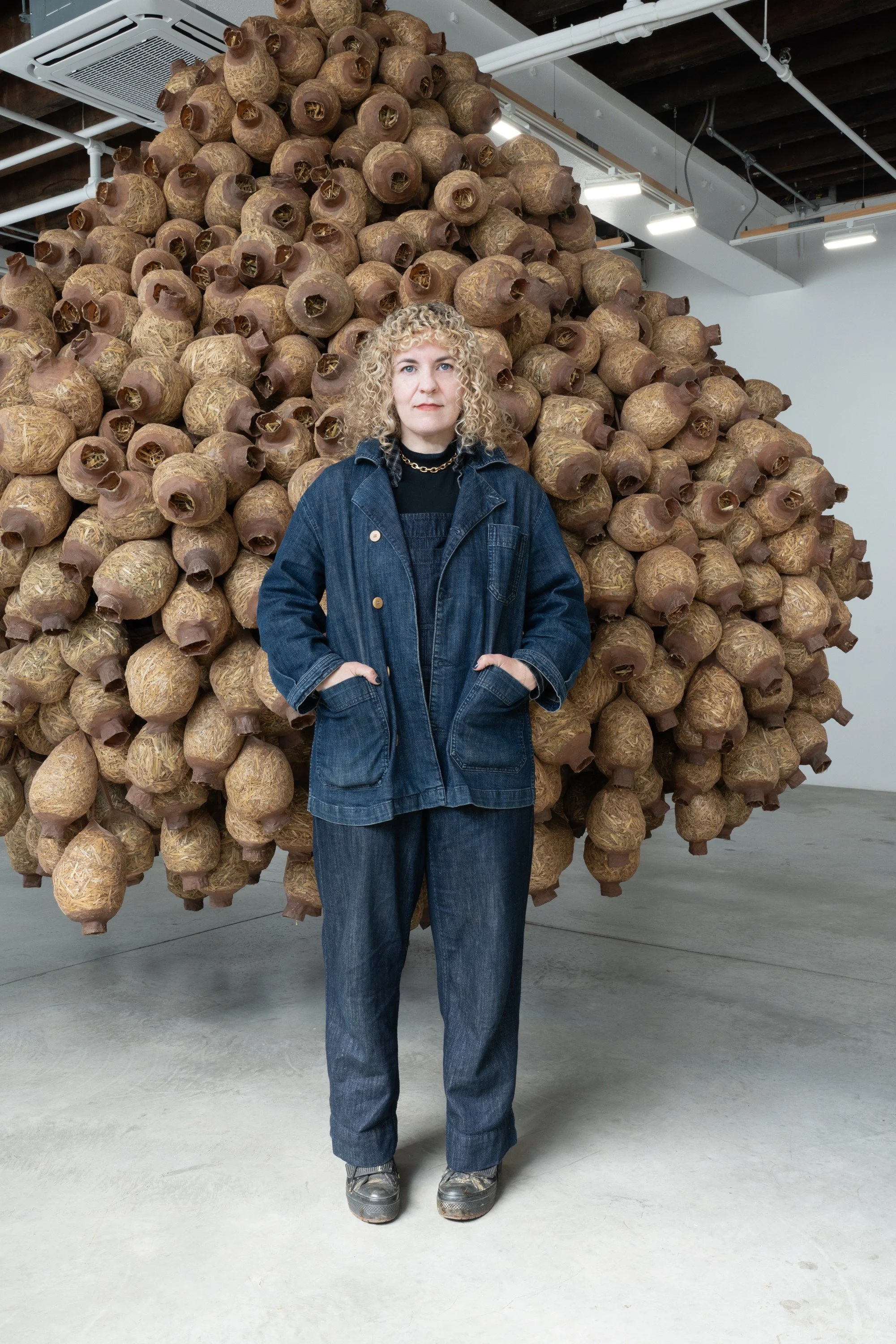
New York Textile Month with Kat Howard
In person / Exhibition / Knitting
To celebrate New York Textile Month, British lifestyle brand TOAST and artist Kat Howard have collaborated on a textile-based artwork honouring the transformative power of weaving and knitting.
Drawing inspiration from women in ancient Greek mythology, Kat positions weaving, net making and knitting as transformative practices. “In the Odyssey, Penelope uses this seemingly simple act of labour – the craft of weaving and tying knots in yarn, combined with the power of repetition – to effect change and reclaim her fate,” she explains.
Based in Kingston, New York, Kat is a sculptor and installation artist whose work traces the journey of healing from trauma. Through richly textured, abstract forms – from handwoven nets to braided cotton – she explores the relationship between materiality and the body, using tactile processes to evoke resilience and the desire for freedom.
The installation will be on display at TOAST Brooklyn until Sun 18 October.
On View: Saturday, September 12 to Sunday, October 18
11:00 AM - 6:00 PM
No registration required!
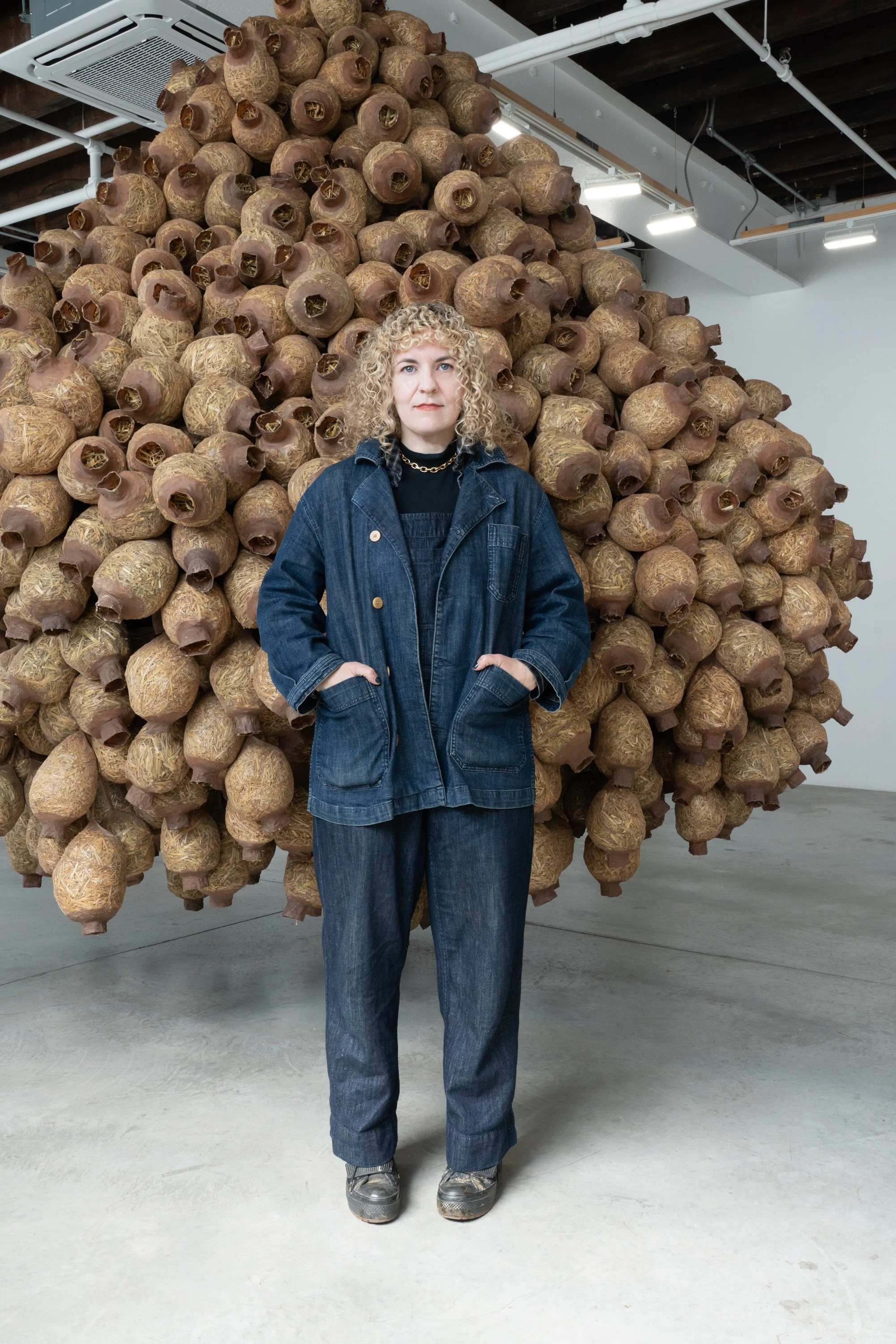
A textile-based artwork by Kat Howard, created to mark New York Textile Month and honor the transformative power of weaving and knitting.
TOAST was founded in 1997 in Wales, TOAST began with nightwear and loungewear inspired by the surrounding landscape and a slower way of life. Since then, we have been creating simple, modern and functional pieces intended to last for years to come.
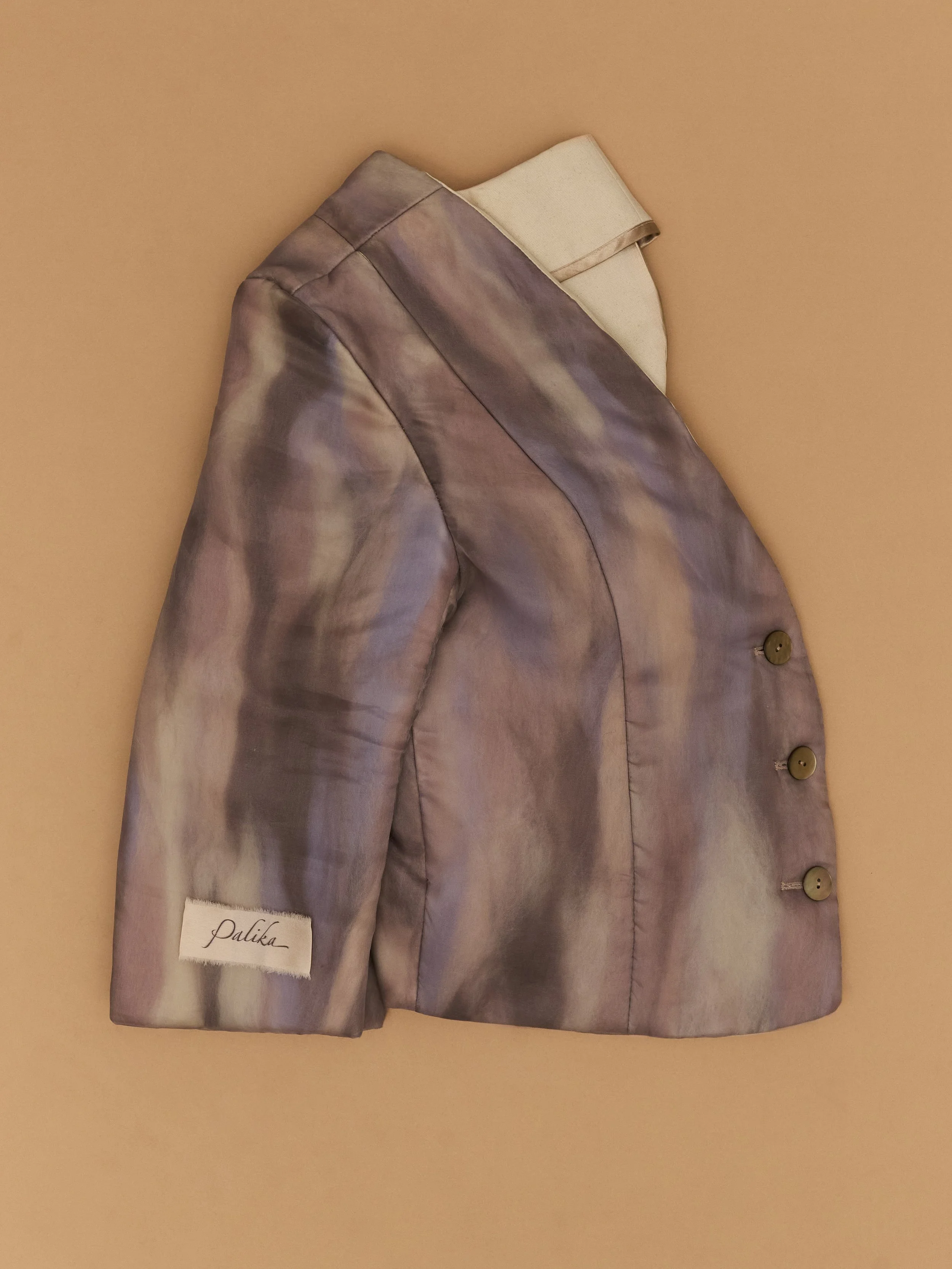
Textile Tactics: Crafting Culture
In Person / Talk / Textile Industry
Join us at the Library for Arts & Culture for a hybrid exhibition and panel discussion, highlighting three textile artists and designers whose work shapes and drives culture. Curated and moderated by Chyna Cassell, the program will feature works from Sade Mims of Edas, Naima Dobbs of Nailoh Knits, and fashion designer, Mahima “Palika” Sirikulthada.
The program will open with guests engaging with selected exhibited works throughout the space, followed by a presentation of Mahima’s "i can’t cross my legs, can you?" fashion film. Chyna will moderate the panel, which will focus on the artists’ respective practices and methods, and the cultural context surrounding their works. The evening will conclude with a brief mingling session with beverages and light refreshments.
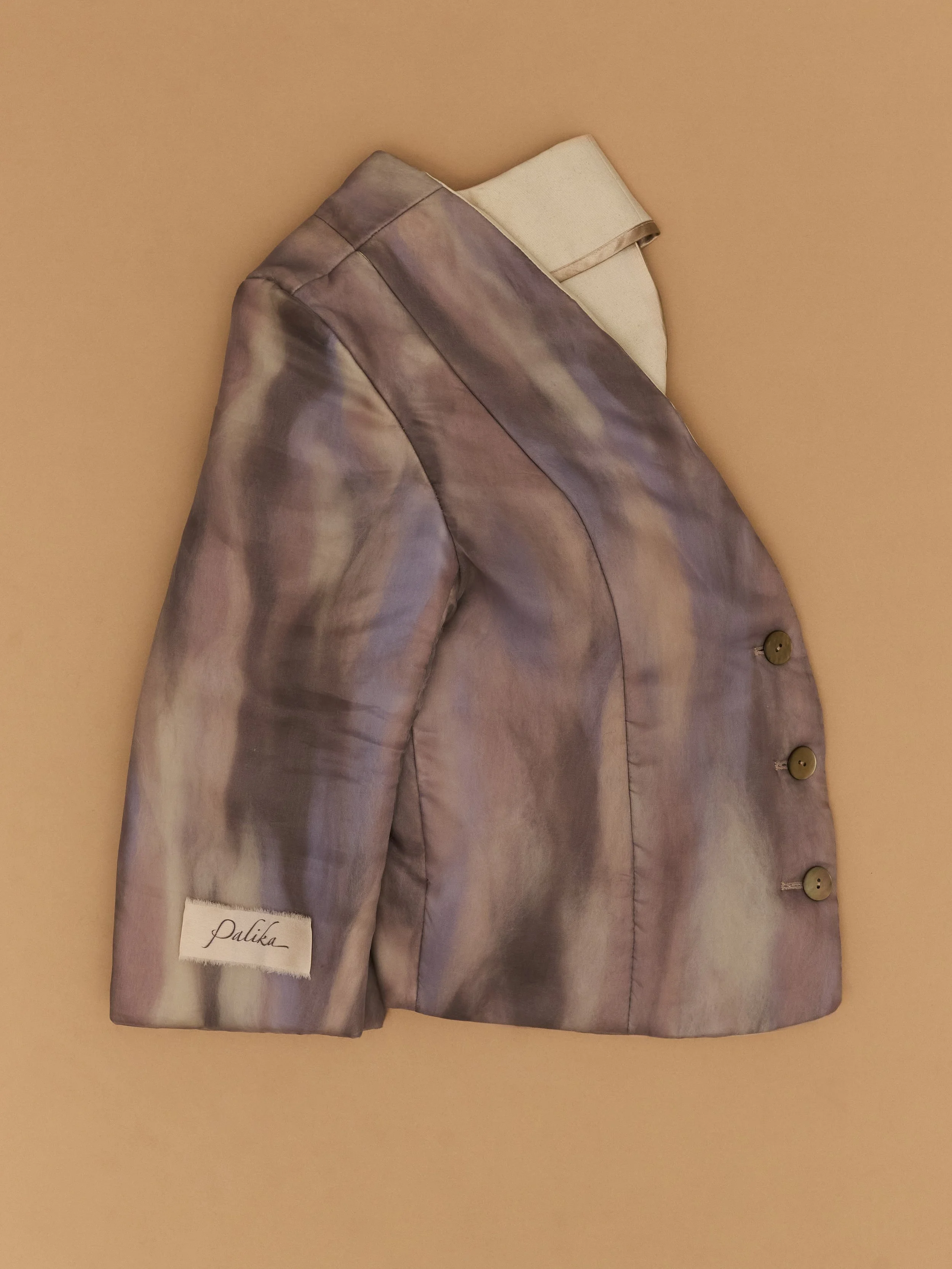
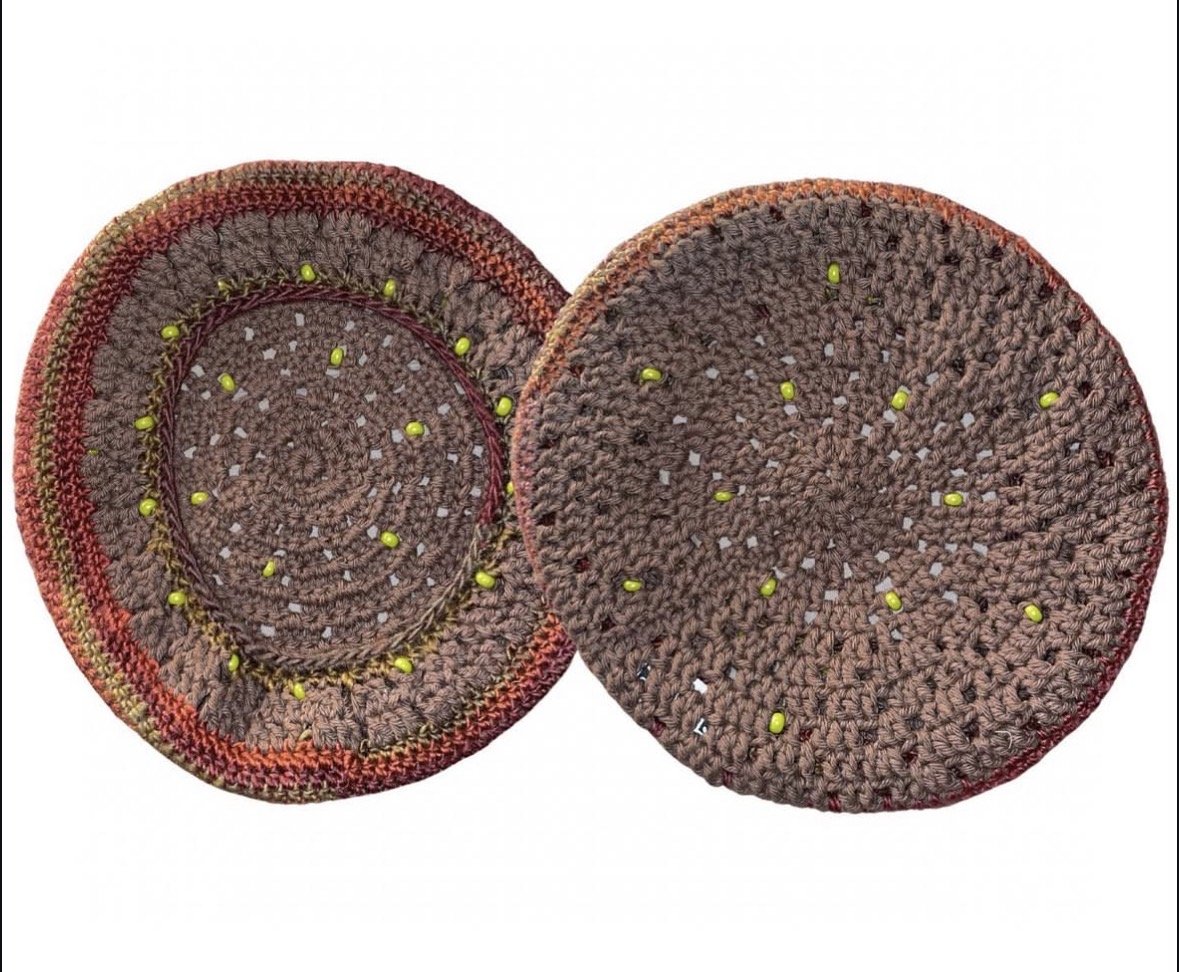
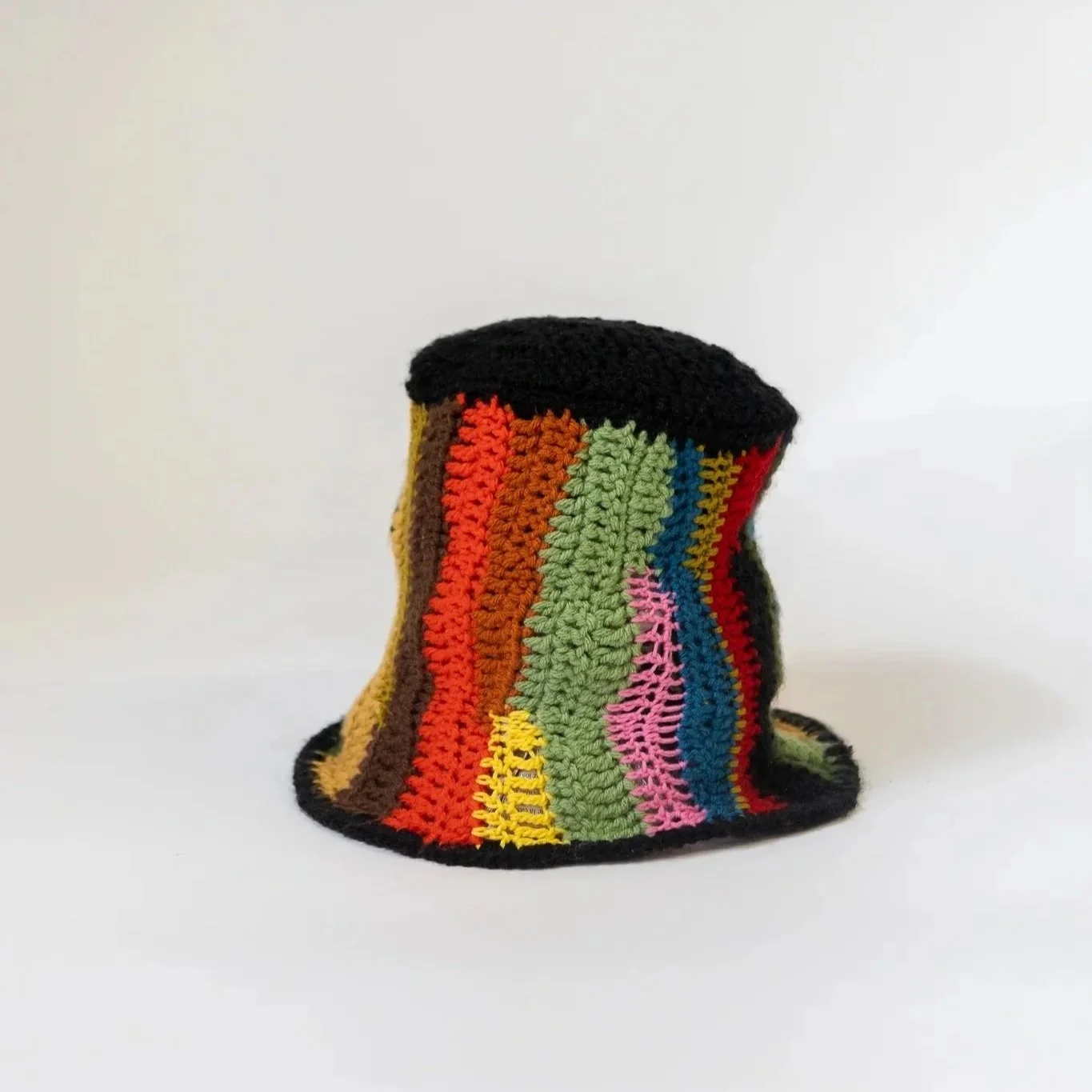

Sade Mims is a New York City–based artist and designer working at the intersection of fashion, art, and cultural storytelling. With over a decade of experience in creative and fashion direction, her practice is defined by a refined visual language, a sharp instinct for forecasting, and an ability to translate ideas into cohesive, resonant worlds.
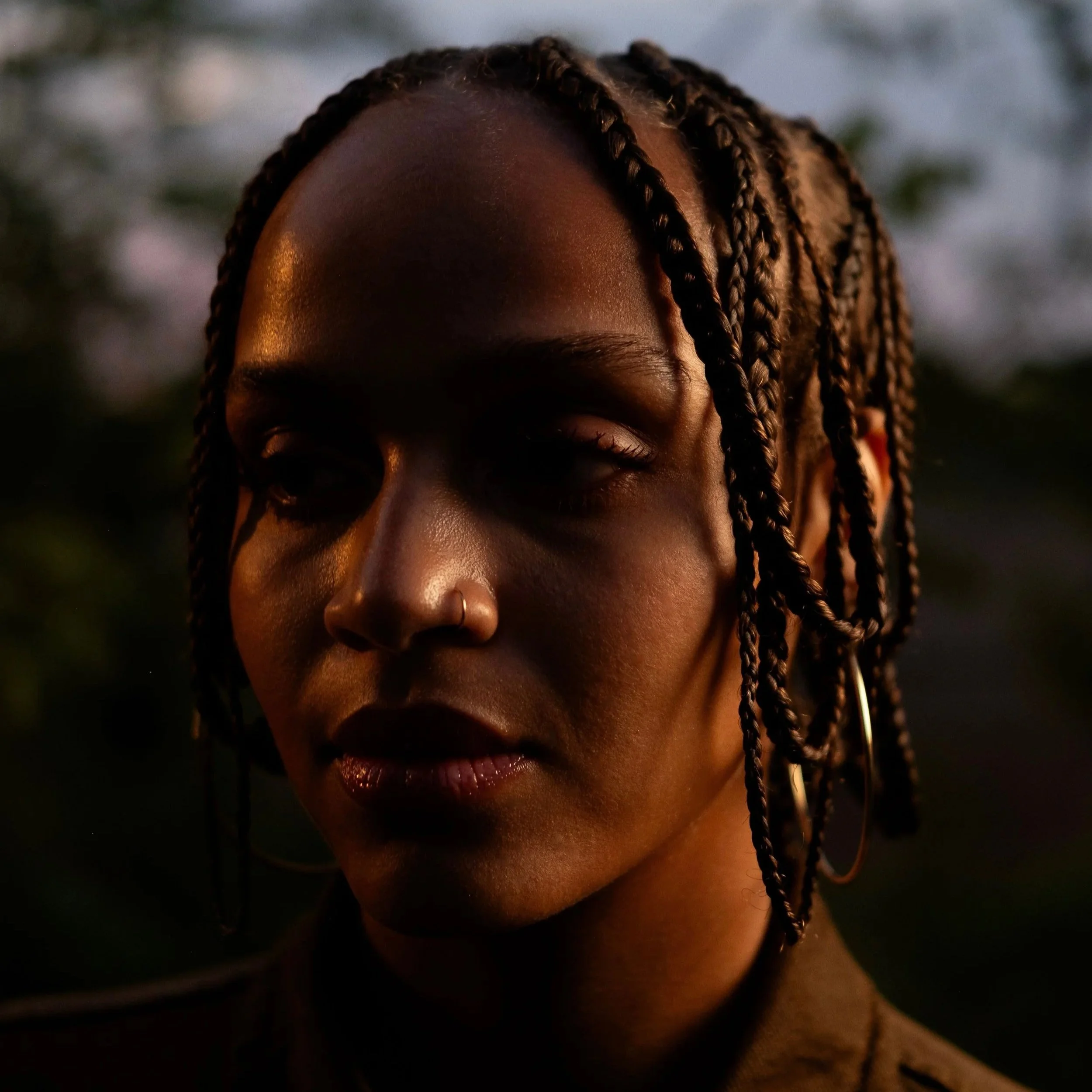
Naima Dobbs (a.k.a. Nailoh) is a New York based musician, textile artist, and educator born and raised in Atlanta, GA. Her artistic practice intertwines electronic music, textile art, and video design in a multimedia offering she dubs Synthetwine. Her debut EP, Smile, was released in Dec 2025. She is the founder of knitwear brand, Nailoh Knits (est. 2020).
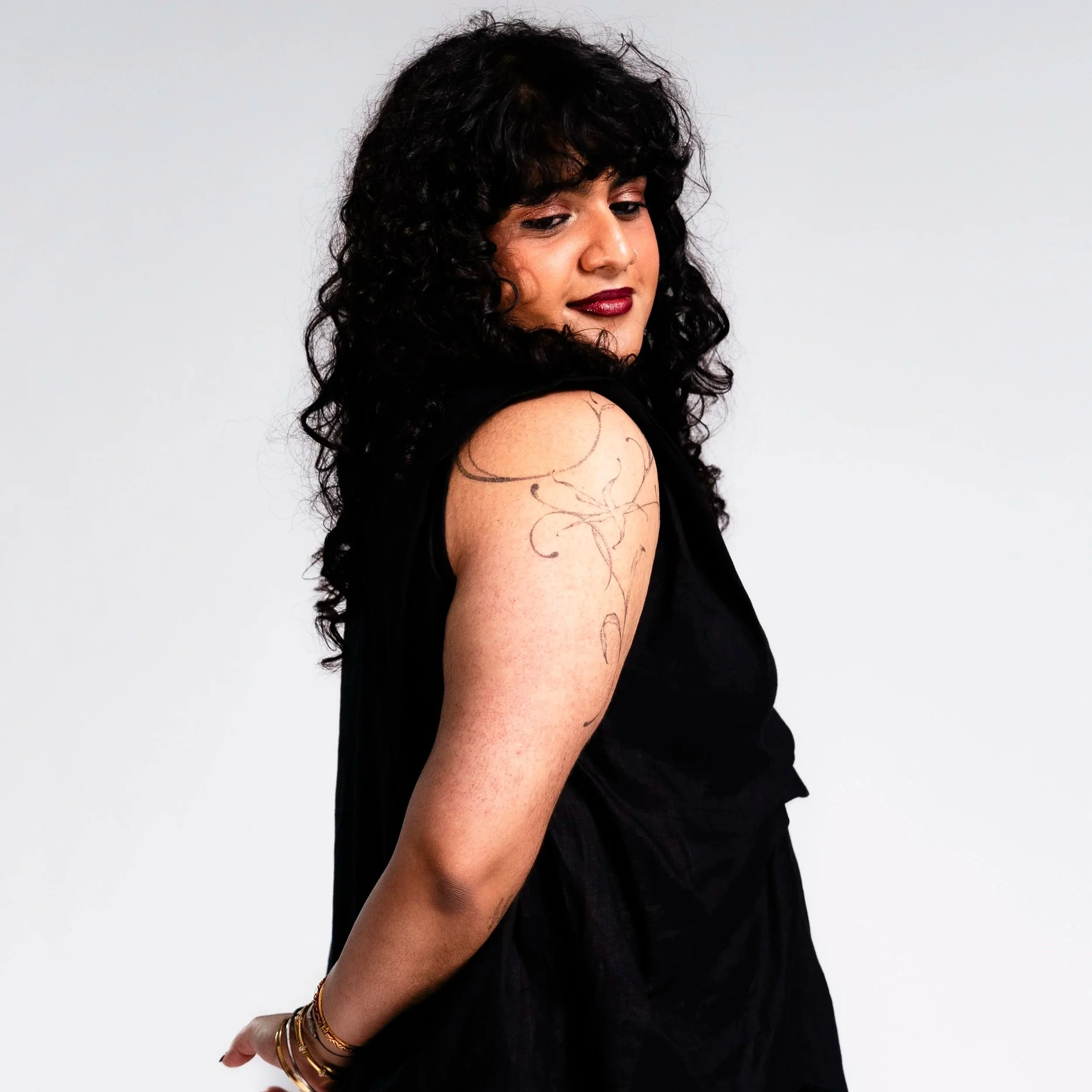
Mahima “Palika” Sirikulthada is a designer and multidisciplinary artist whose practice is compelled by fit: an ongoing exploration of how we perceive, navigate, and anchor our bodies within the world. Raised within communities where art is woven into the everyday, she carries a deep respect for making as inheritance, as resistance, and as ritual. This foundation informs works rooted in continuous exploration: learning, questioning, and allowing space for growth. For Sirikulthada, creation is both personal and political: a means of archiving lived experiences while imagining new ones. Her work moves fluidly between fashion, sculpture, and textile-based practices, grounded in materiality and the intimate relationship between body, form, and environment. She hopes to inspire through art that is deeply researched, and embedded in care, craft, and honest storytelling.
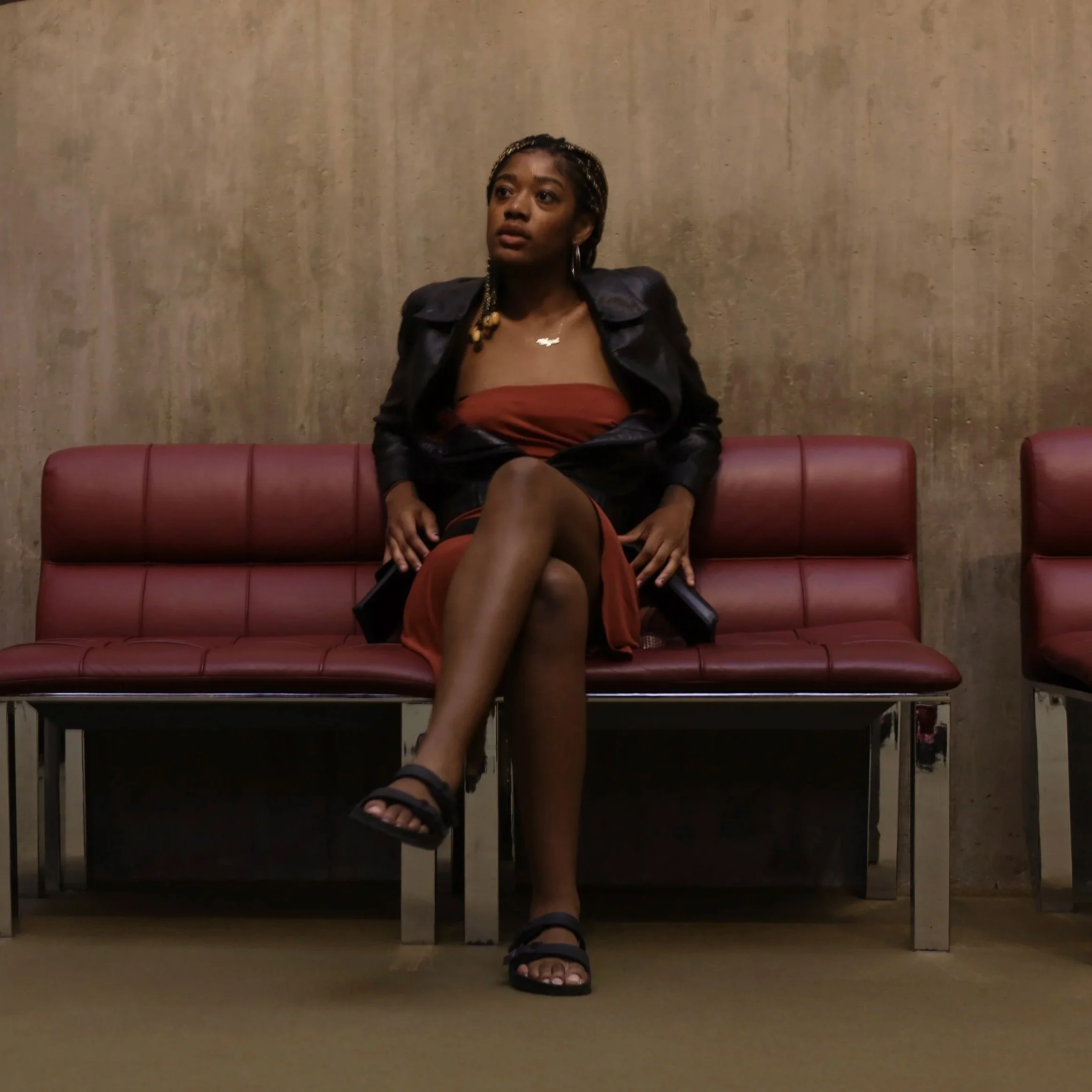
Chyna Cassell is a multi-disciplinary artist, writer, event producer, and cultural programmer. In 2021, she received a bachelor's in Global Studies from The New School. Chyna was an artist-in-residence at Casa Na Ilha Artist Residency in Ilhabela, Brazil (2021), and at Hangar Center for Artistic Research in Lisbon, Portugal (2024). She partners with several Brooklyn Public Library branches to facilitate programs including the Reel to Real short film screening series at the Library for Arts & Culture. Her work appears in IMPULSE Magazine, Omenana African Speculative Fiction Magazine, The African Film Festival Archives, Afapinen, and The Shallow Tales Review.

Woven Together Fashion Show
In person / Open Studio / Weaving
Intertwine Arts wants to celebrate the creativity, beauty, adaptability, and fun of disability-based clothing design with a fashion show at the Positive Exposure Gallery. Disabled models are paired with disabled and non-disabled designers to create a piece unique to them, which will then stroll down the runway! The runway show will be the closing finale of Intertwine Arts’ annual Woven Together exhibition, which celebrates the artistry of disabled individuals with a display of fiber artworks created over the year in weekly weaving workshops.
There's more happening at this venue! Check other events:
Woven Together Exhibition - textilemonth.nyc/calendar-2026/woven-together-exhibition
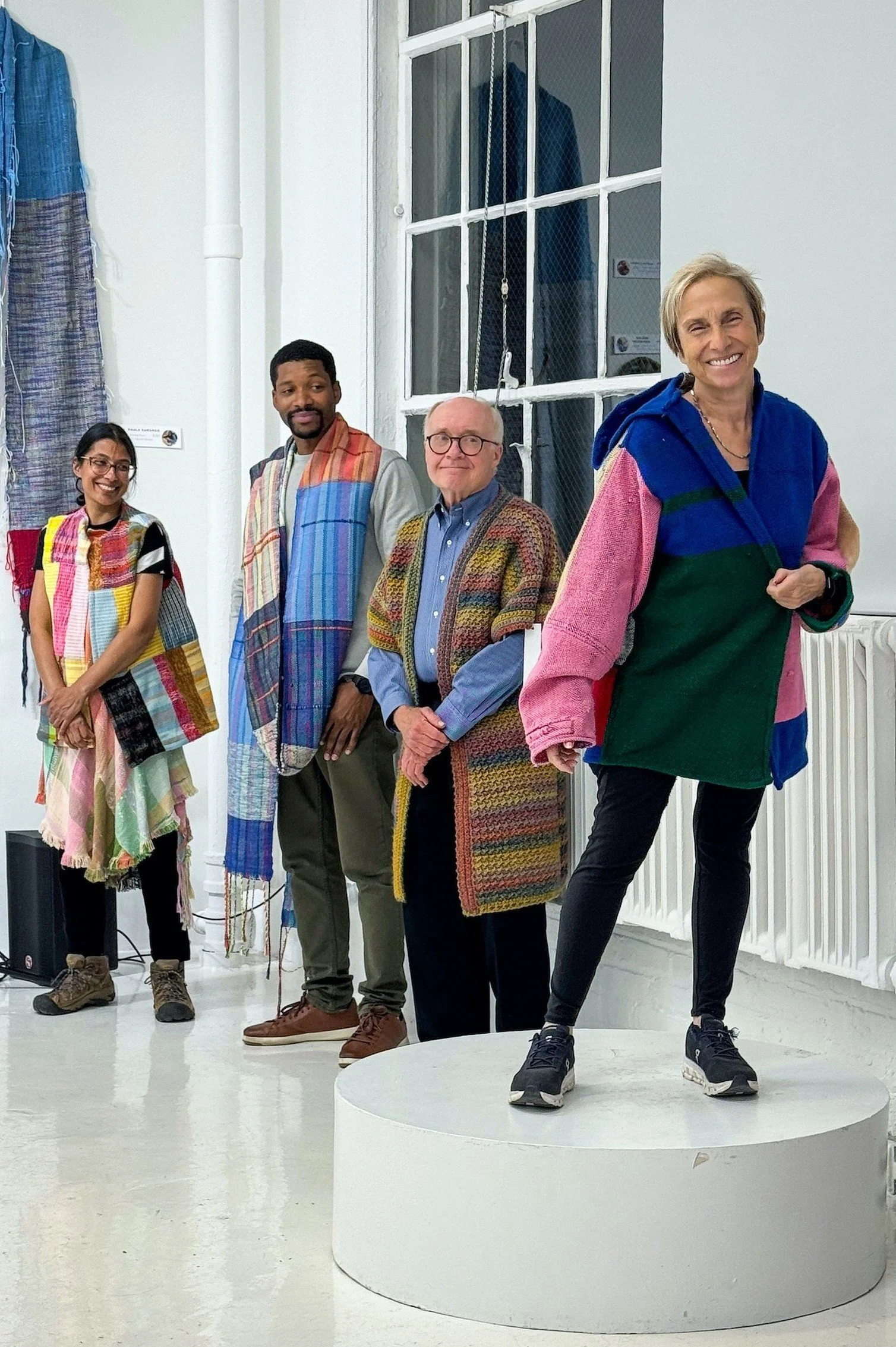
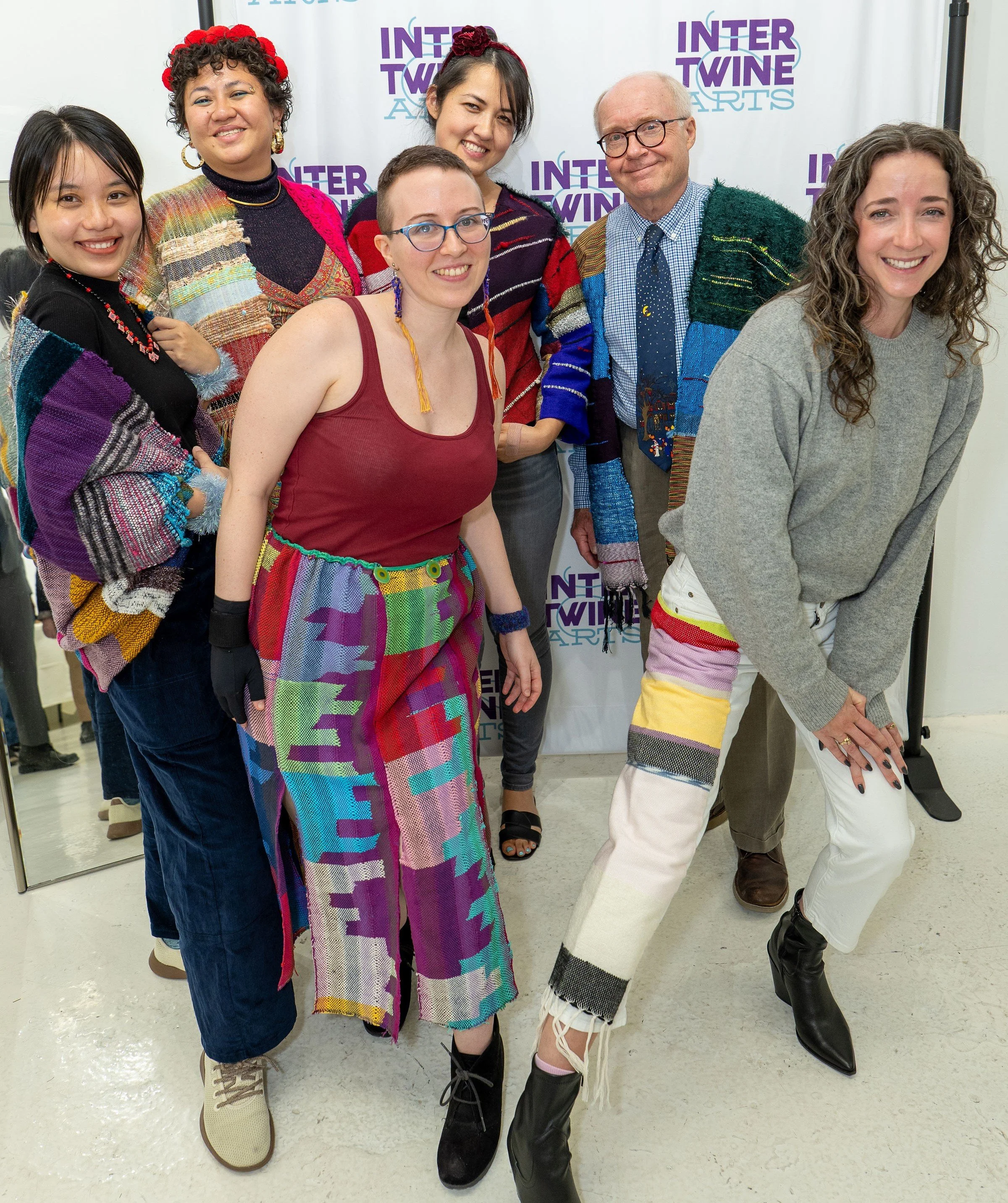
The artists represented are artists with disabilities from Intertwine Arts’ programs across four New York City boroughs of Queens, Brooklyn, Manhattan, and the Bronx. The disabilities experienced range from cognitive disabilities, to physical disabilities, to neurodivergence, to chronic illness, and more. All are burgeoning weavers and fiber artists, primarily exploring the woven medium. Their talents also extend into embroidery, crochet, sewing, and beyond.
The Garment that Remembers
Online/ Talk / Knitting
The Garment that Remembers: what our clothes know, and who tells their stories
Every garment carries a history: the hand that made it, the origin of its yarn, each repair and each new owner. For most of fashion's history that history has been lost the moment a piece leaves the maker. This live talk asks what changes when a garment is designed to remember.
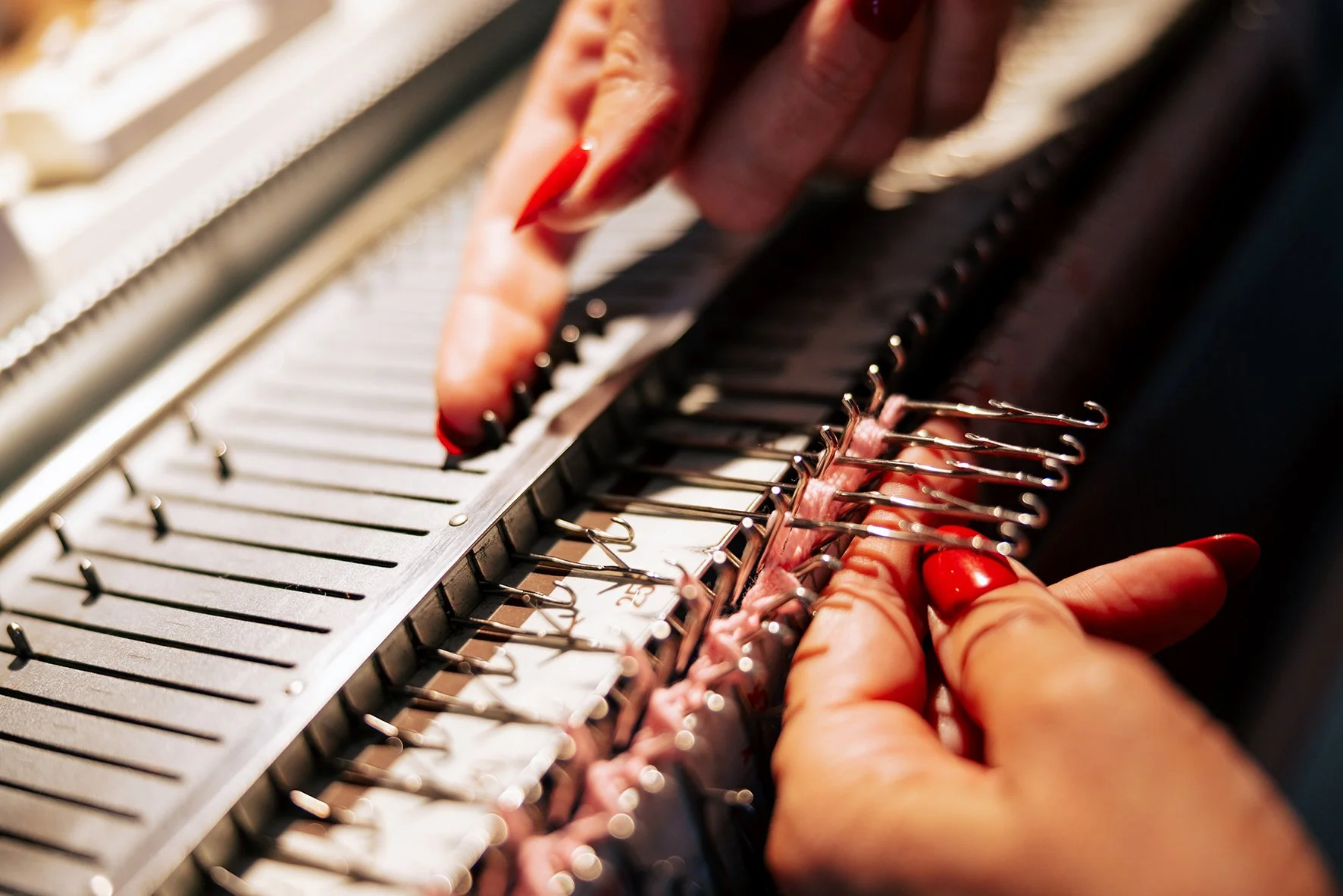
Working live from her studio on the Fleurieu Peninsula in South Australia, designer and researcher Angelina Russo builds a poncho from vintage and deadstock yarns on vintage knitting machines, in a practice rooted in Italian textile heritage from the Sannio region. Because each piece cannot be replicated exactly, you watch its record assemble, stage by stage, as the poncho comes together.
Alongside the making, you read a garment of your own. Using a card provided online, you sort its fibres into natural and synthetic, look for proof that the fibre is what the label claims, and set down what you expect of the piece, how long you will keep it and how often you will wear it. The card then stays with the garment and waits, in a pocket or a drawer, for the day a decision about its future is due. That small act, a record that travels with a garment, is the everyday form of what the emerging Digital Product Passport is reaching towards.
What you'll leave with:
A card to keep with one of your own garments, written now and answered later
A way of reading any piece you own for the record it carries, and the record it has lost
A route to follow when a forgotten garment asks to be kept, repaired, passed on or recovered
This is a live session, presented before dawn from the other side of the world, with time for questions.
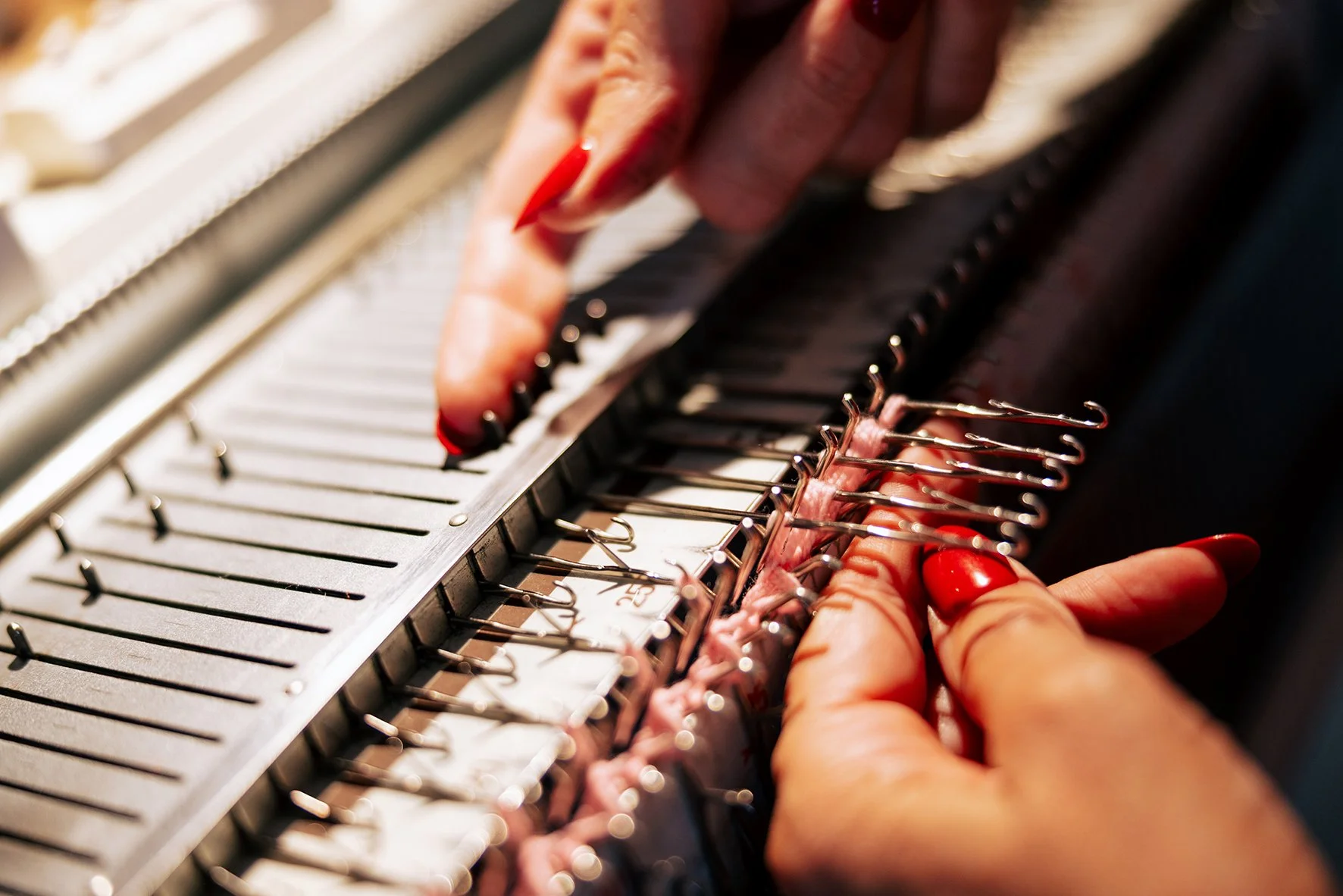

Angelina Russo is a designer and researcher, and the founder of Fleurieu Made, a circular knitwear studio on the Fleurieu Peninsula in South Australia. Working from vintage and deadstock yarns on vintage knitting machines, in a practice rooted in her Italian textile heritage, she makes one-off pieces meant to be carried for years. Alongside the studio she develops the FM Circular Fashion IQ Index, which makes circular practice visible and verifiable. Angelina researches how garments might carry their own records of origin, repair and afterlife, returning fashion's memory to the makers and wearers it belongs to.
Machine Stitch
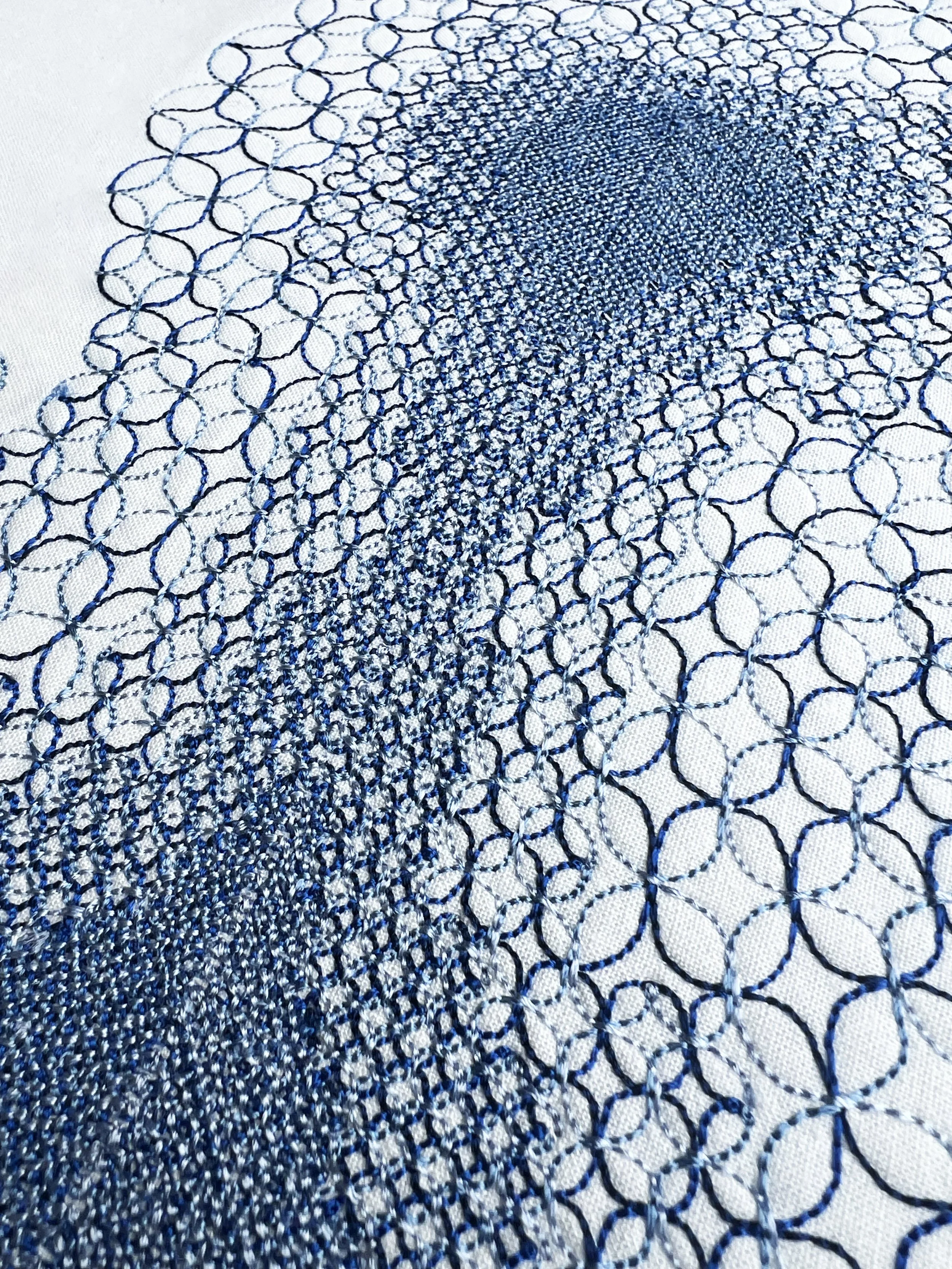
Machine Stitch brings together Response Patterns (Anette Millington & Travis Fitch) and artist Ragna Froda for a talk on digital embroidery, machine collaboration, and materiality—exploring how the embroidery machine becomes a creative partner in pattern, texture, and storytelling.
3D printing Lace Lab
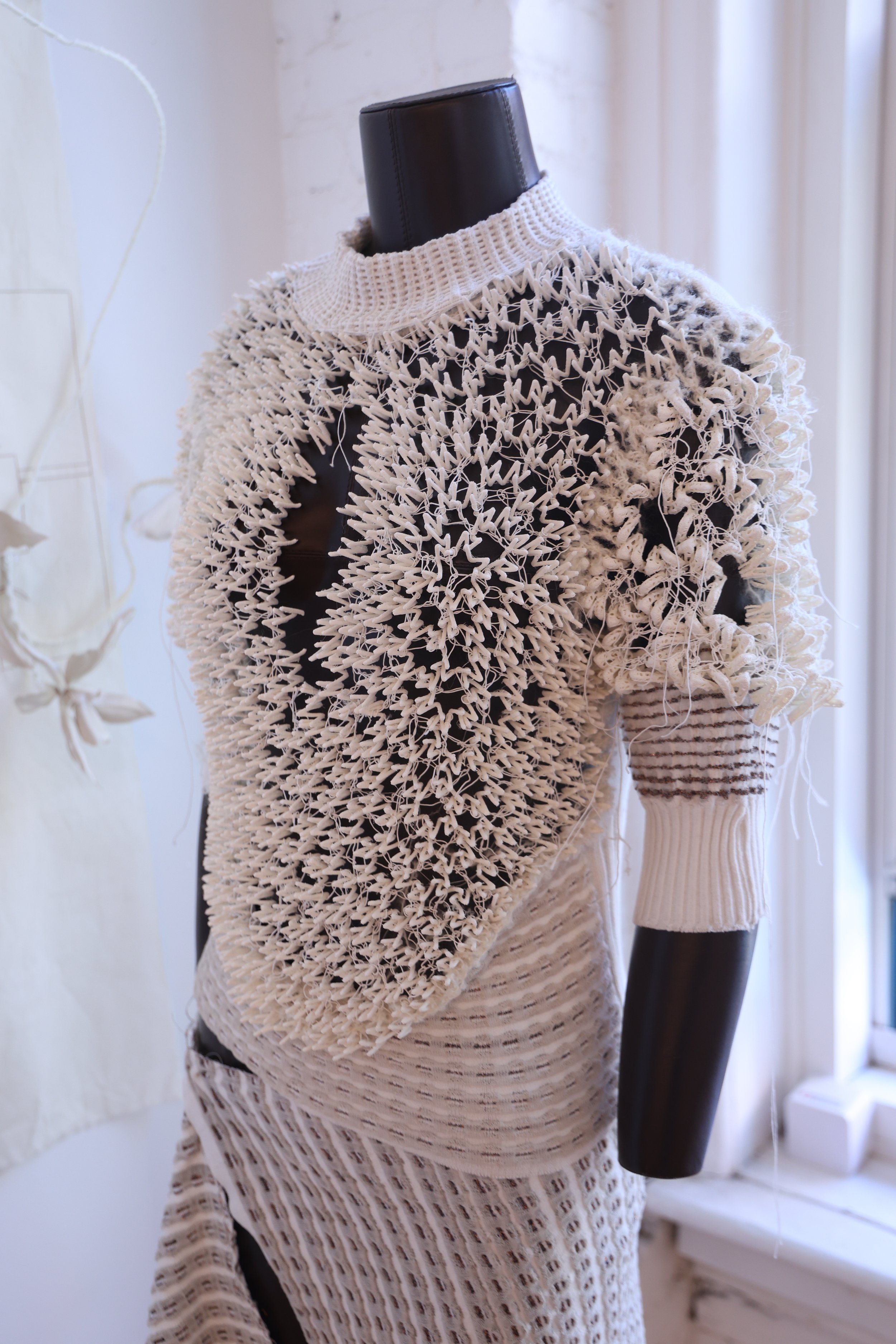
An online workshop exploring 3D-printed lace, from digital modeling in Adobe Illustrator through slicing and printing, and how 3D-printed components can be combined with embroidery, knitting, and crochet. Sunday, September 27, 2026, 7:00–8:00 PM.
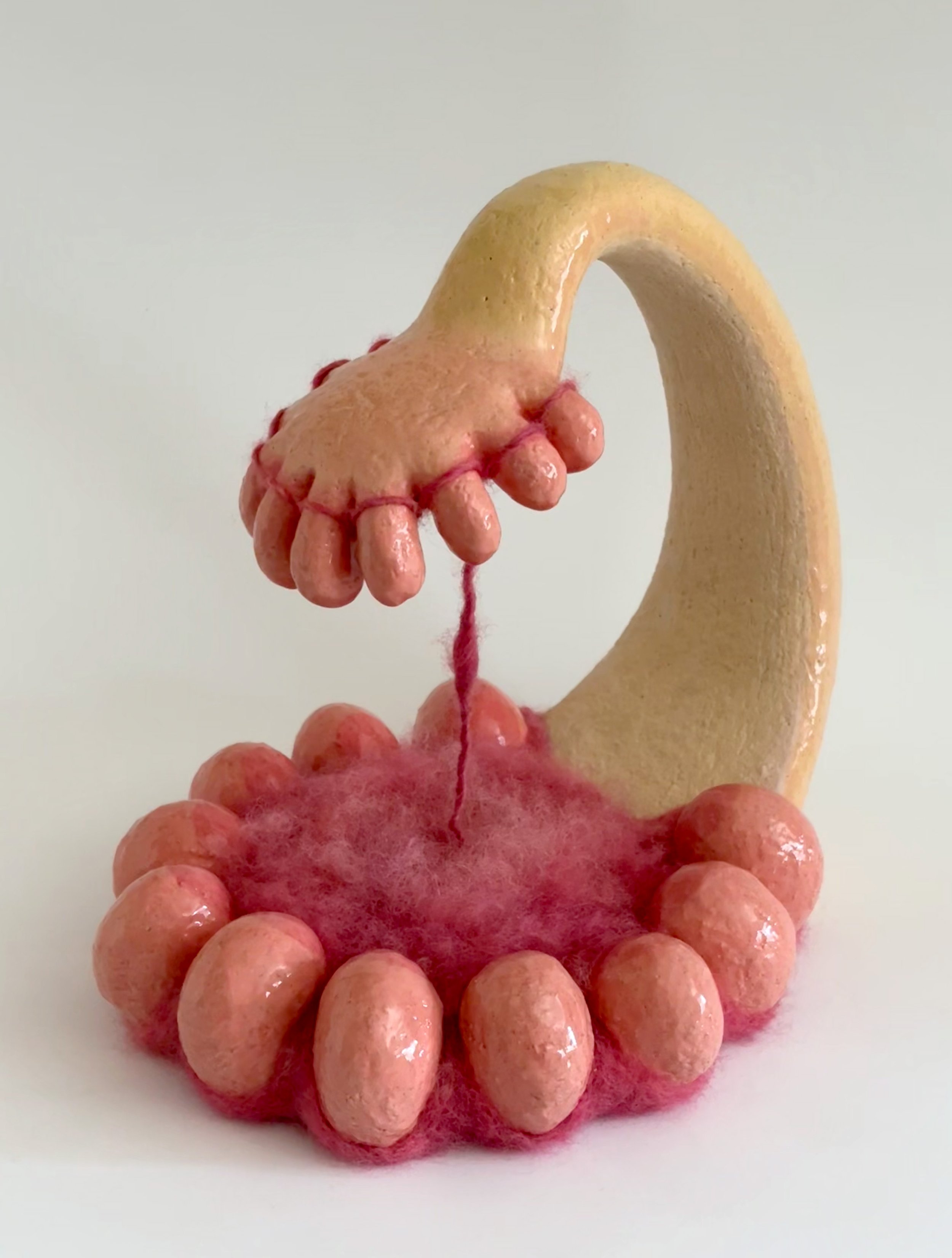
Shared Structures
Shared Structures brings together artists Elizabeth Tolson, Katie Coughlin, Luiza Kurzyna, and Suzanne Goldenberg, whose work moves between textiles and ceramics through weaving, stitching, and coiling. Opening reception and artist talk at Mouse Ceramic Studio, Brooklyn, Sunday, September 27, 2026, 5:30–9:00 PM.
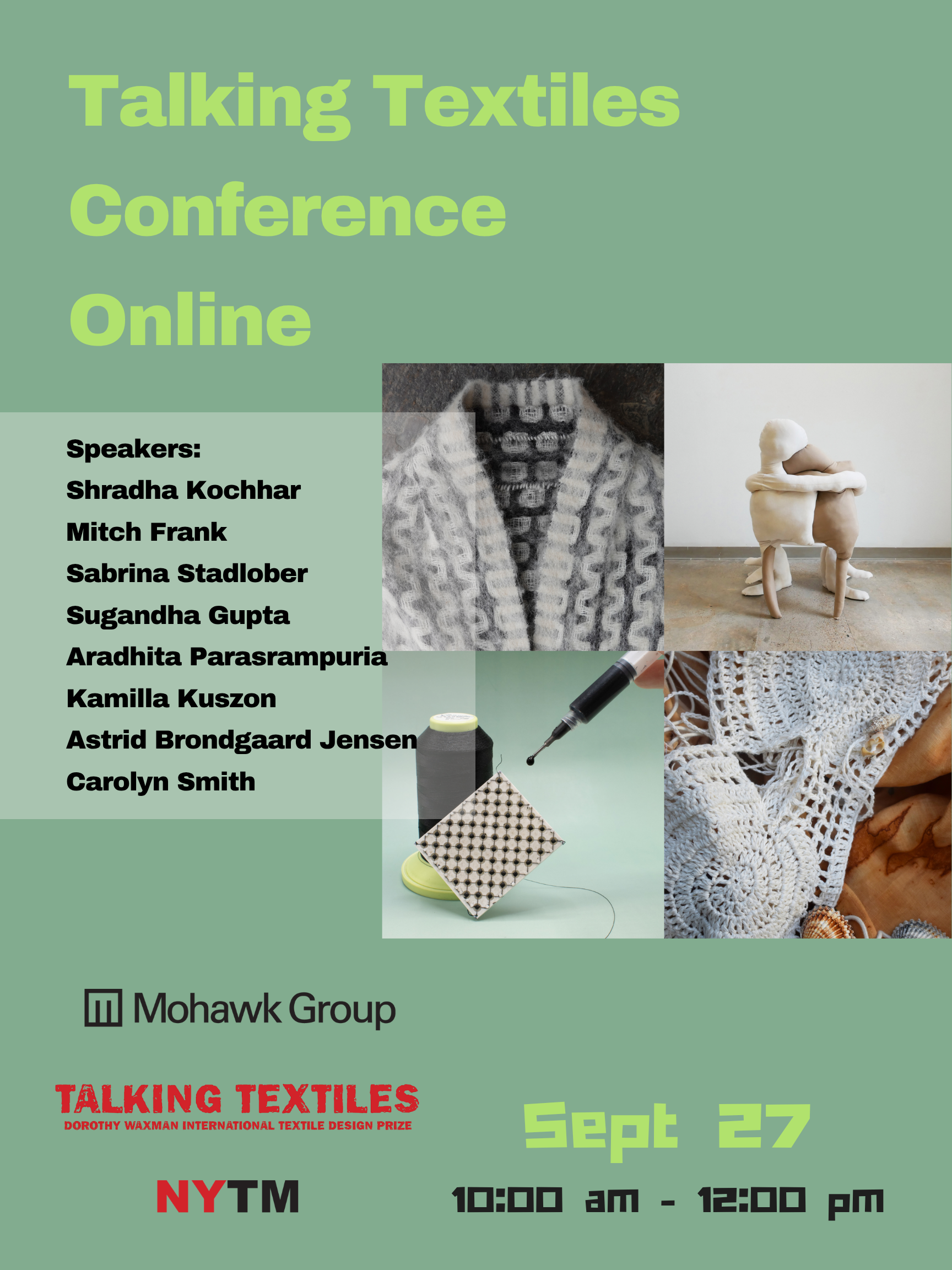
Talking Textile Conference: Success Stories
Online/ Talk / Multiple Techniques
OUR ANNUAL TALKING TEXTILES WEBINAR
Moderated by Philip Fimmano & Li Edelkoort
Recent graduates have harnessed their creativity to take on the design and art worlds, quickly establishing their independent practices as integral parts of the cultural community. Fibre and fabrics therefore become important tools to transform society through conscious thinking, aesthetic activism and ecological awareness. As the industry’s young leaders, their hopeful quest is human-centred, reaching new audiences through touch and tactility, appealing to the senses at a time when we need it most. Success stories that illustrate the foundational value of design education and the true power of textiles.
The program:
10:00 AM - 10:10 AM Ragna Froda NYTM Highlights
10:10 AM - 10:15 AM Lidewij Edelkoort and Philip Fimmano Introduction
10:15 AM - 10:30 AM Shradha Kochar
10:30 AM - 10:45 AM Sugandha Gupta
10:45 AM - 11:00 AM Aradhita Parasrampuria
11:00 AM - 11:15 AM Mitch Frank: Following the Path Backwards
11:15 AM - 11:30 AM Sabrina Stadlober: Soil to Soil — A Cycle of Connection Between Humans, Animals and Landscape
11:30 AM - 11:45 AM Kamilla Kuszon and Astrid Brondgaard Jensen: Our journey studying wool
11:45 AM - 12:00 PM Carolyn Smith
12:00 PM - 12:15 PM Royce Epstein from Mohawk Group presents Dorothy Waxman International Textile Prize 2026 Winner
The webinar is free and open to all.
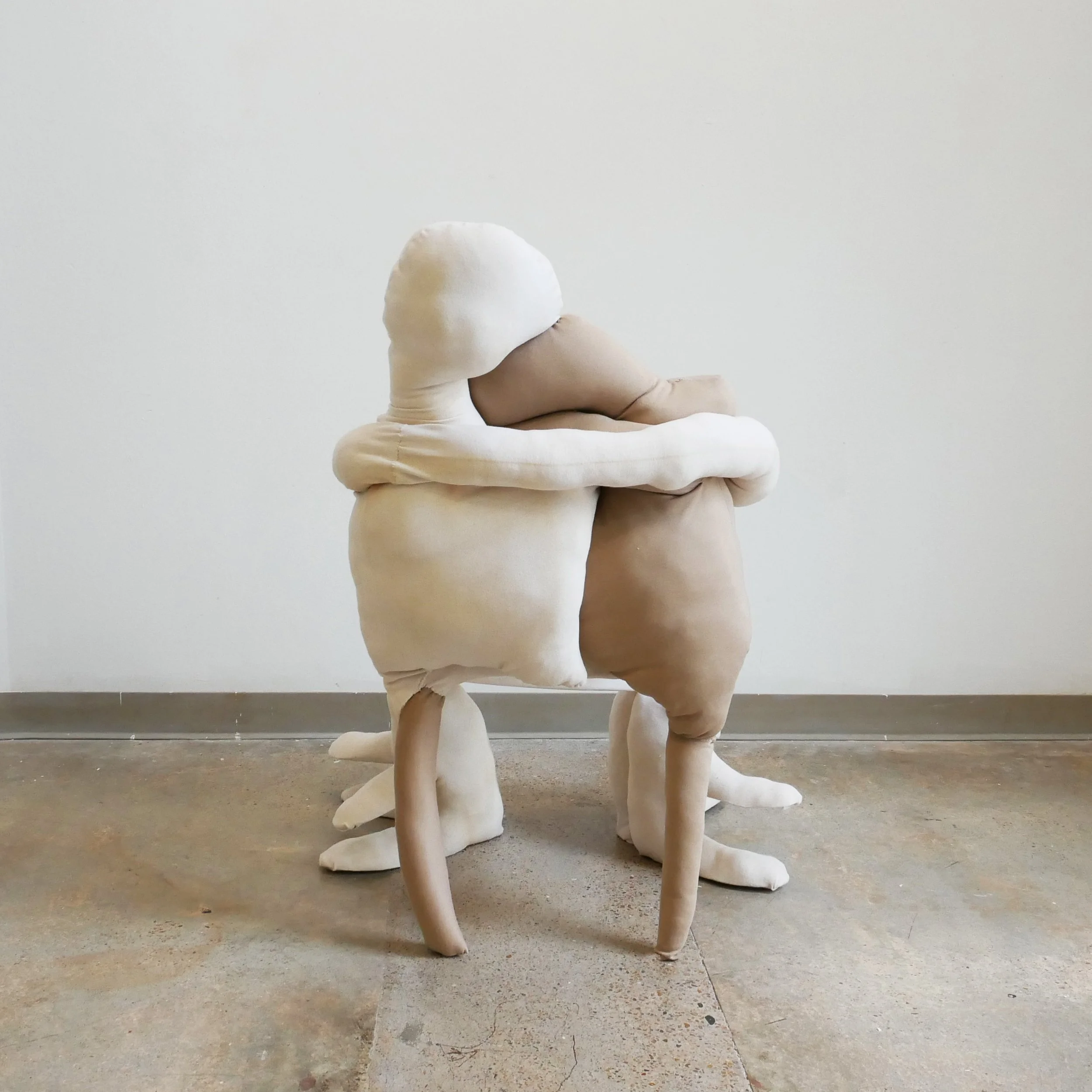
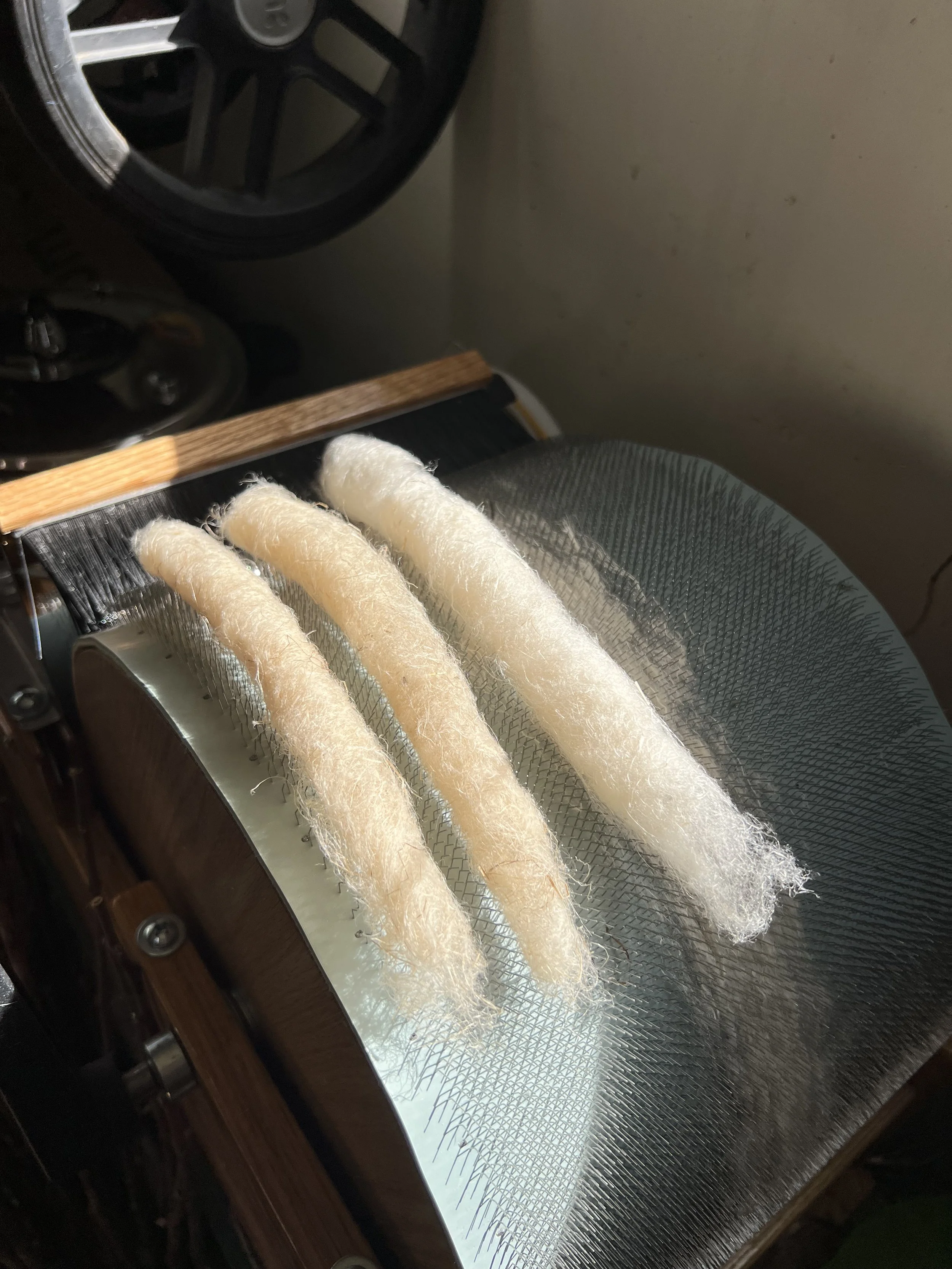


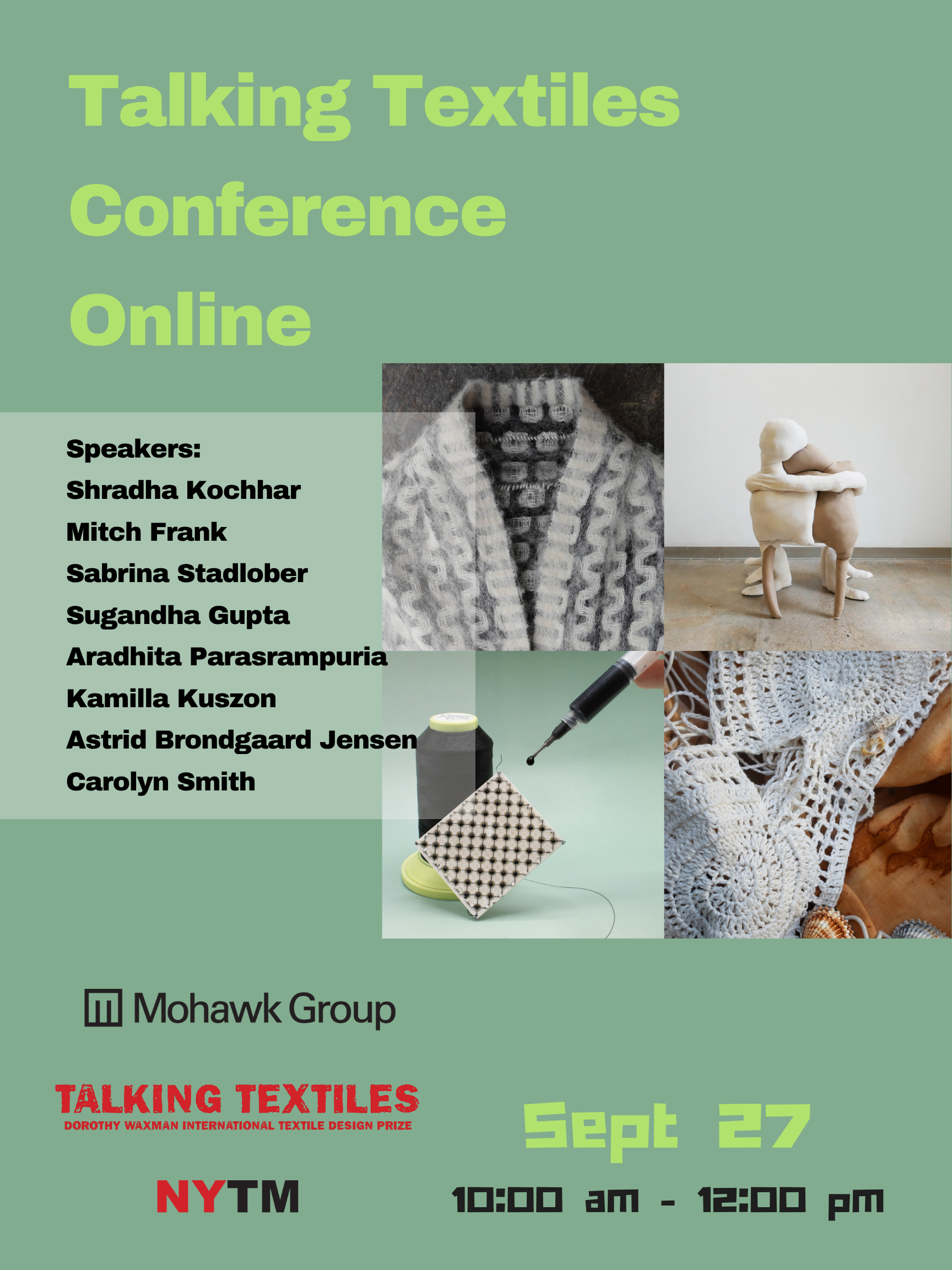
clockwise: Shradha Kochhar; Mitch Frank; Sabrina Stadlober; Sugandha Gupta; Aradhita Parasrampuria; Kamilla Kuszon and Astrid Brondgaard Jensen (photo by Rigetta Klint); Carolyn Smith
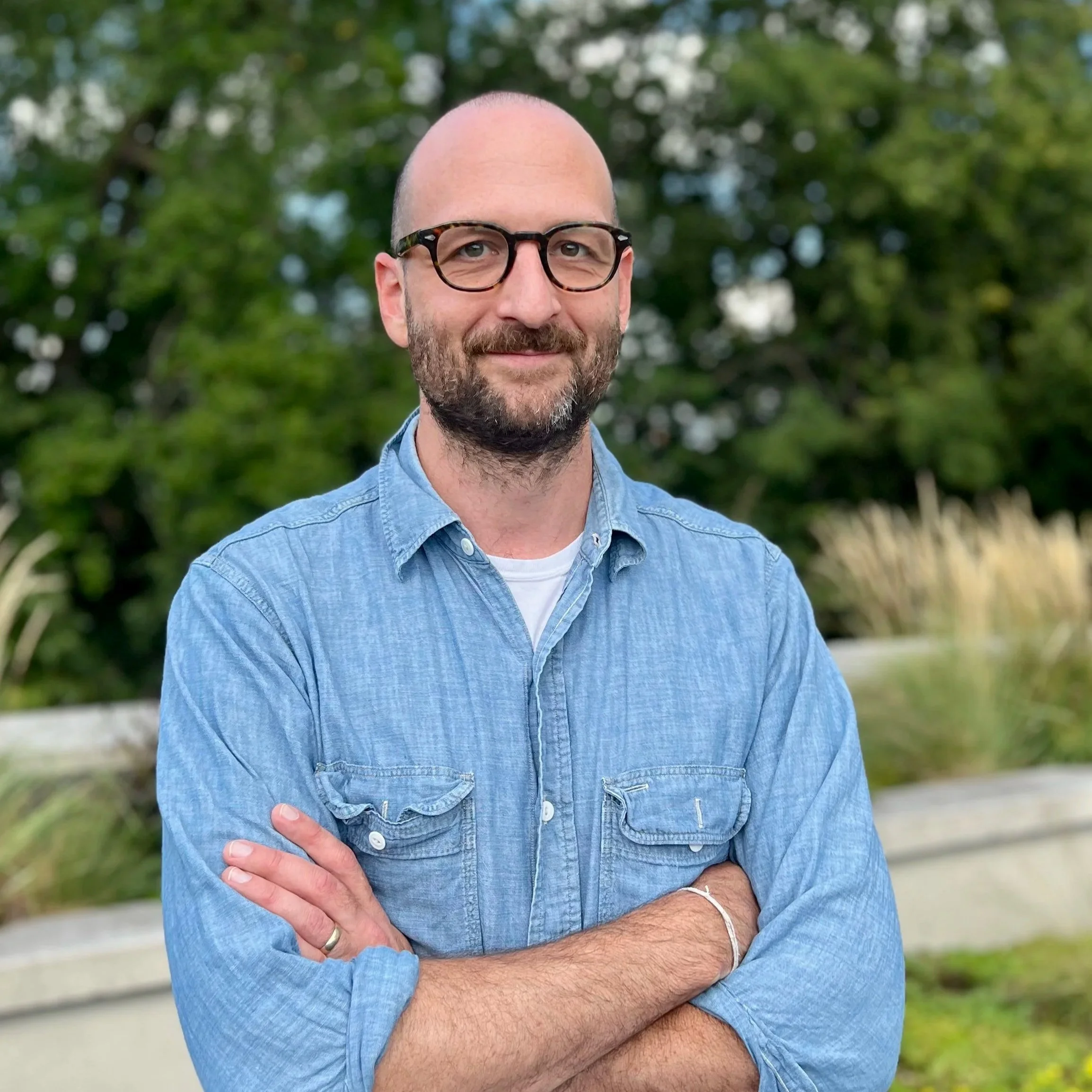
Mitch Frank, a clothing and fabric maker and an educator at The University of Wisconsin-Madison. He teaches in the Textiles and Fashion Design program. A lifelong environmentalist, he works in craft because craft prioritizes materials and materials come from the environment. His work looks at native ecologies, appropriate technology, and environmental justice.

Sabrina Stadlober is a fashion, textile, and product designer based in Austria. Her work is defined by a conceptual, research-led approach that brings ethics and aesthetics into dialogue. During her Master’s degree in Textiles at Polimoda, in theFrom Farm to Fabric to Fashion program, she developed a deep appreciation for alpaca wool.This interest became the foundation for the long-term projectSoil to Soil, a fully circular collection developed in collaboration with Austrian alpaca breeders.Sabrina’s practice spans textiles and wearable design, with a focus on natural materials and responsible craft as forms of creative expression. In addition to developing her own slow collection, she teaches fashion and natural fibers.

Shradha Kochhar, an artist with a focus in fibre, based in Brooklyn, New York. Best known for her home spun and hand knitted ‘khadi’ sculptures using ‘kala cotton’ - an inherently organic cotton strain indigenous to India, her work is at an intersection of material memory, tactile histories and intergenerational dialogue. Focusing on generating a physical archive of personal and collective south asian narratives linked to women’s work, invisible labor and grief, the work is large scale and exists as sculpture beyond whispers over generations.
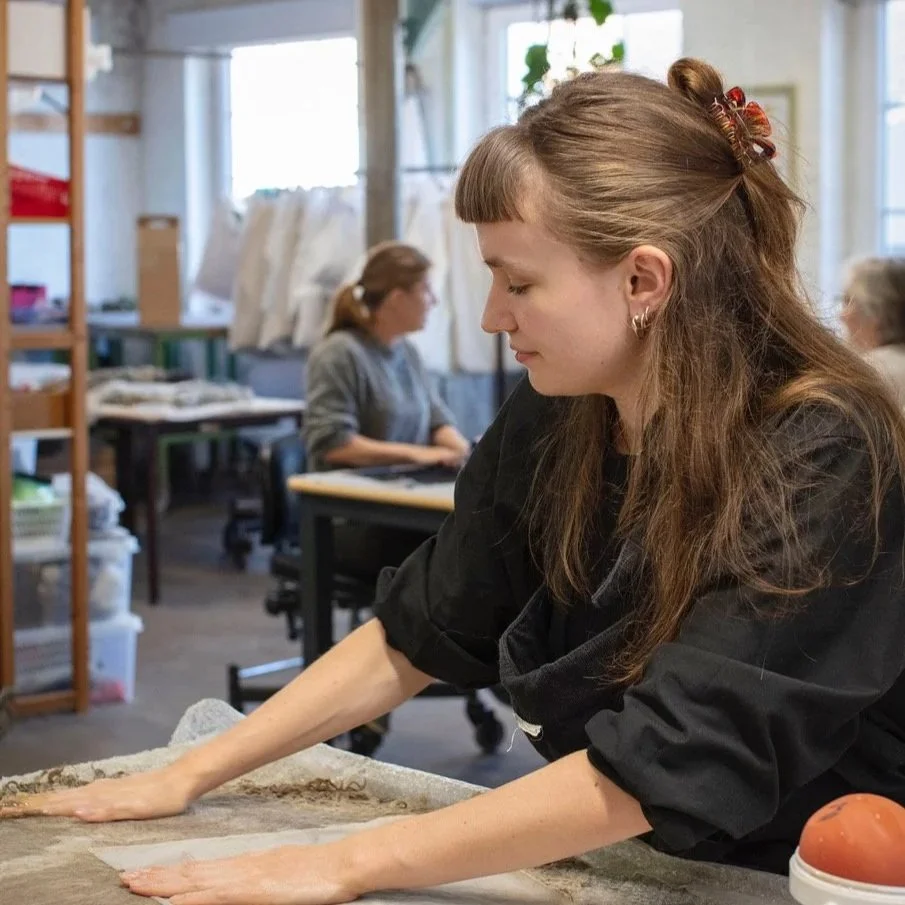
photo by Rigetta Klint
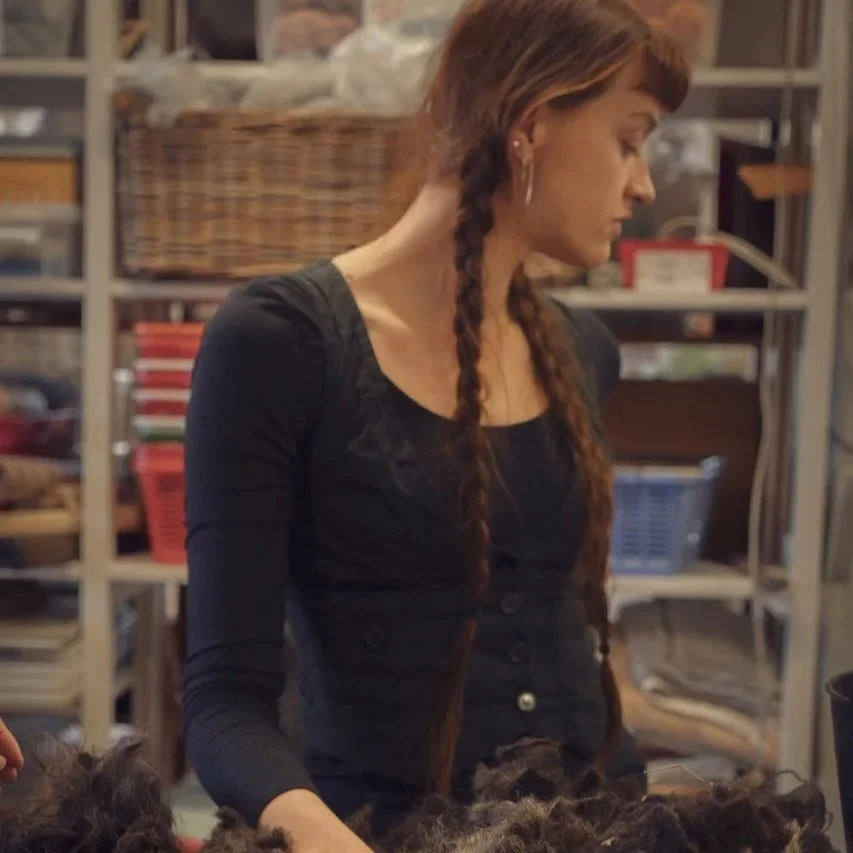
photo by My Lambertsen
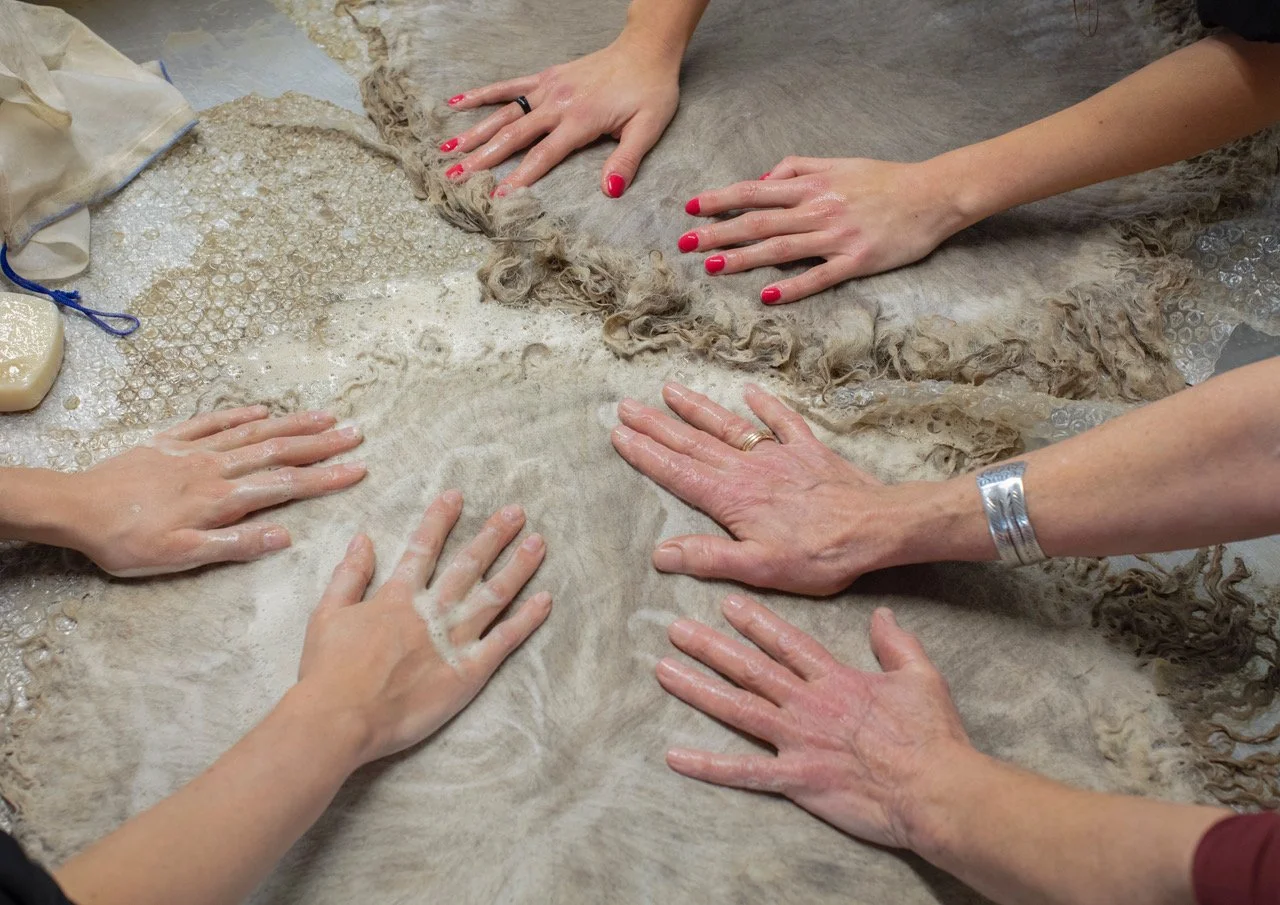
Kamilla Kuszon and Astrid Brøndgaard Jensen, textile designers and Feltmaker apprentices based in Denmark. During their Bachelor's degree in Textile Design at the Swedish School of Textiles, with a specialization in weaving, they began their work with wool, initially experimenting with fulling different woven wool bindings to create shape and texture.
Today they are doing a three-year apprenticeship as Feltmakers, deepening their knowledge in felting and working directly from fiber to form. Their work is driven by a fascination with raw wool in natural colors, textures, and organic behavior. Rather than controlling the material, they collaborate with it, allowing its inherent qualities to shape each piece.

Sugandha Gupta, Assistant Professor of Fashion Design and Materiality at Parsons School of Design. She is an award winning multi-sensory artist and designer. Her textiles, sculptures and garments invite wider audiences to interact with her work through touch, sound, smell, sight and their embodied strengths. Her research interests lie at the intersections of disability, environmental and embodied justice. Her work has been showcased at The American Crafts Council, Smithsonian Craft Show, The UN Headquarters, New York Textile Month, Guggenheim Museum, The Visions Museum of Textile Art and Hunterdon Art Museum among others. Recently, her two commissioned looks have been permanently acquired and showcased as part of the current ‘Costume Art’ show at The Metropolitan Museum of Art, NY.

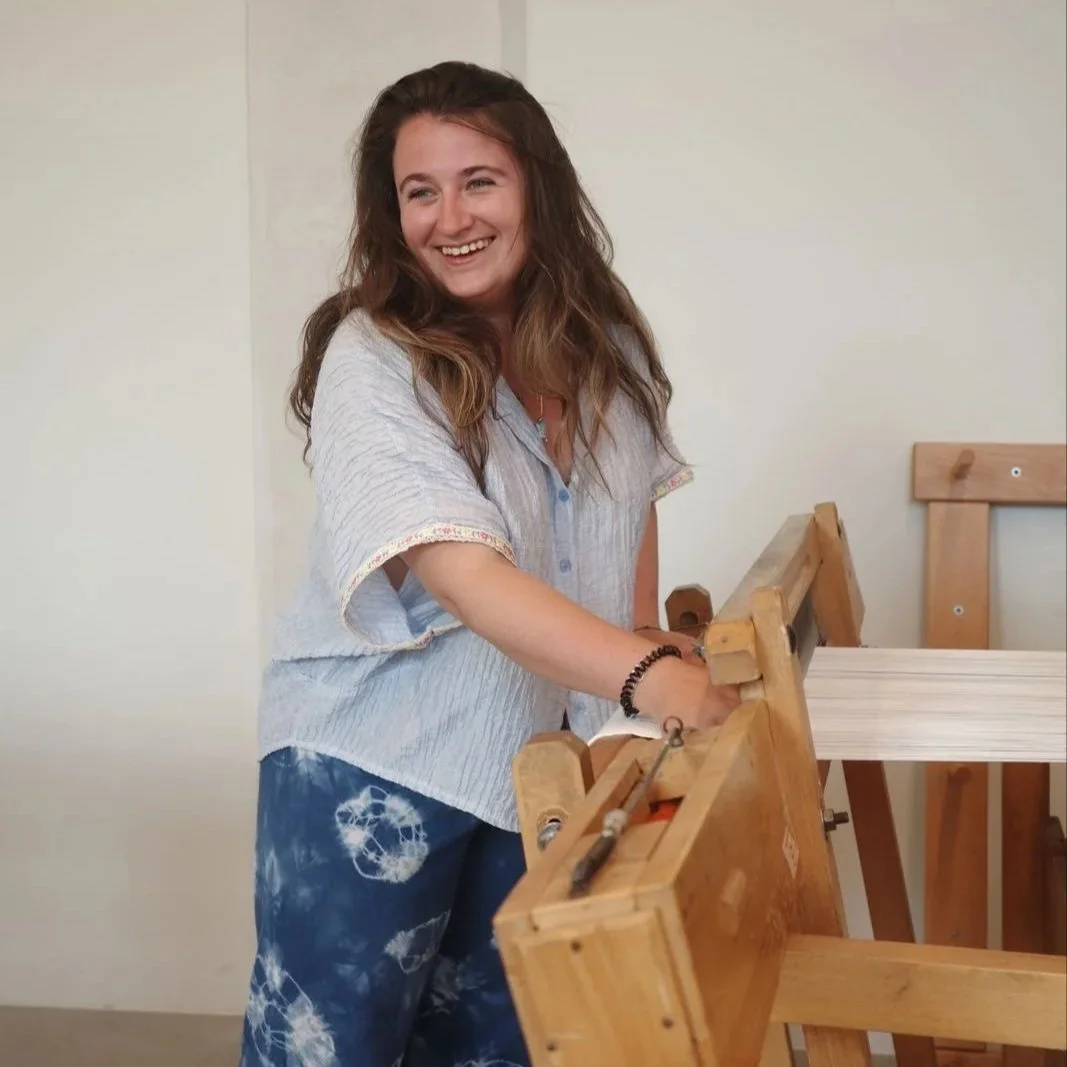
Aradhita Parasrampuria, materials designer and founder of Cellsense. She leads a team developing sustainable embellishments and beaded fabrics from algae and cellulose, offering alternatives to plastics in fashion, jewelry, and beauty. Trained at Parsons School of Design, Aradhita’s experience spans material science at Slow Factory Labs and design roles at Tory Burch and threeASFOUR. Cellsense has successfully completed pilots with four brands and continues to collaborate with partners on new biomaterial applications. Their work has been featured by WGSN, Vogue, and Forbes. Outside of work, Aradhita enjoys volunteering at Genspace.
Carolyn Smith, a weaver, designer, and textile advocate based in Pennsylvania. Her experience in the Farm to Fabric to Fashion Masters at Polimoda sparked a personal love of craft, with a specific love of weaving. Her collection Trousseau became her own personal archive of connection to craft, the sea, and making with her hands. She now works on vintage looms at Tuscarora Mills within Family Heirloom Weavers, weaving heritage fabrics from natural fibers like hemp, linen, and cotton. She is committed to continuing America's weaving legacy through natural materials and teaches craft workshops to help others find their own connection to textiles.
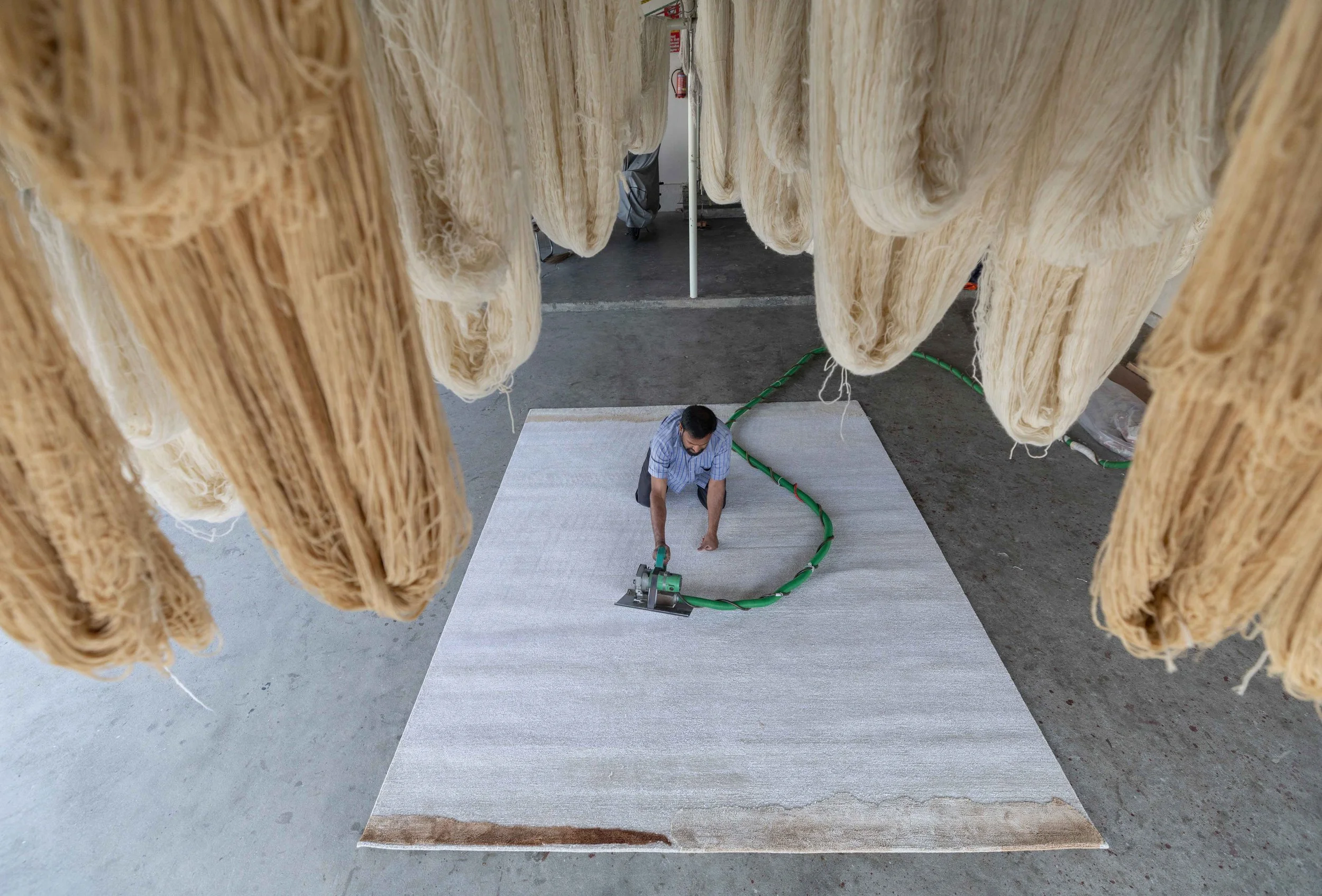
COVER Connect New York
COVER Connect New York, the annual trade show for high-end rug brands hosted by COVER magazine, returns to Manhattan with 44 international rug and carpet companies showcasing artisan-made weaving. Saturday, September 26 – Monday, September 28, 2026.
Surface to Form
In person/ Workshop / Multiple Techniques
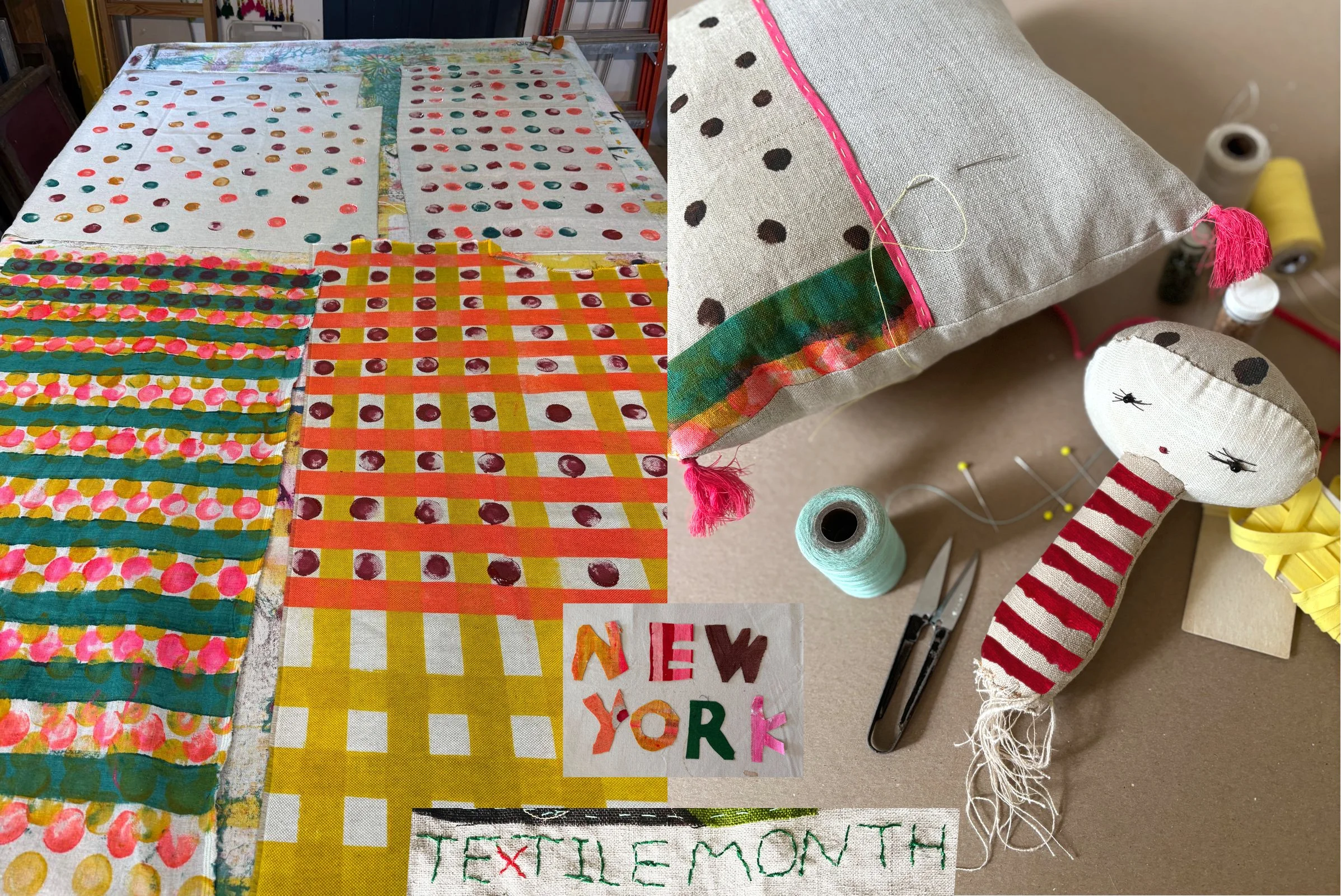
Surface to Form: Print Paint & Sew, Textile Sculpture, Object or Decor
A two-part workshop led by Jann Cheifitz and Tamar Mogendorff exploring the transformation of surface pattern into soft dimensional relief and textile sculpture.
Beginning with printmaking and painted imagery, participants will experiment with layering, shaping, padding, and stitching to transform two-dimensional surfaces into tactile sculptural forms. Working intuitively, we will explore the relationship between image and object, color and form, creating unique textile pieces that exist between painting, sculpture, and textile.
No prior experience is necessary. Basic hand-sewing skills are helpful.
Saturday, September 26 11:30 AM - 4:00 PM
Tuesday, September 29 6:00 PM - 9:00 PM
There's more happening at this venue! Check other events:
Material Transformations Open Studio -textilemonth.nyc/calendar-2026/material-transformations
Tamar Mogendorff
Recognized for her original soft objects, Tamar Mogendorff is an artist and designer based in Brooklyn, New York. Since founding her studio in 2005, she has created one-of-a-kind textile sculptures, home objects, ceramics, and porcelain works. Her work has been exhibited internationally, and she has collaborated with numerous brands, galleries, and retailers.
Jann Cheifitz
Jann Cheifitz grew up in South Africa, and worked in an anti-apartheid art collective.
She moved to New York in 1994, where she built "Lucky Fish," a business producing "hand-printed in Brooklyn" textiles and clothing, inspired by the spirit of her artwork. For production she worked in collaboration with small print shops local to Brooklyn, producing artisanal products in small batches.
Her new body of artwork is textile based. The works are embroidered, sewn, patched, quilted, painted, screen-printed or made in clay creating a kaleidoscope of images – life and death cycles, fertility, fecundity, fallow times, soil, loam and compost – degeneration producing regeneration, creation and procreation, the body held with the earth's spirit, with the garden as inspiration.
Jann has participated in numerous group exhibitions, and has held a number of solo shows both locally and Internationally.
Knotting Sampler Workshop with Toyomi Harada
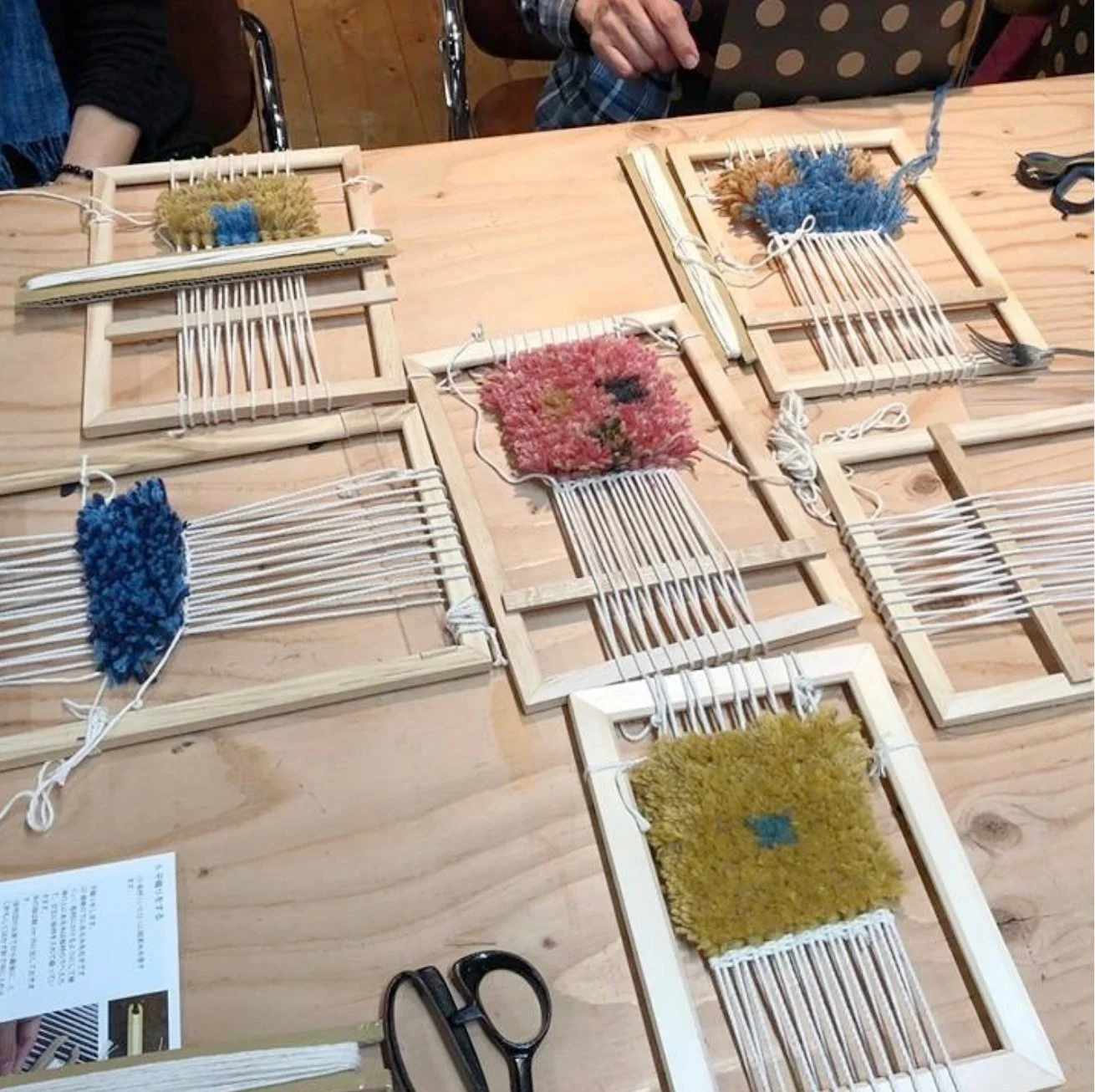
Looking for things to do in New York this September? Learn the Turkish knotting technique on a mini frame loom with instructor Toyomi Harada at Loop of the Loom — September 26 at the UES studio, September 27 in DUMBO — part of New York Textile Month.
Where Every Rug Begins: A Full-Day Knotting Workshop by Noriko Yamanaka
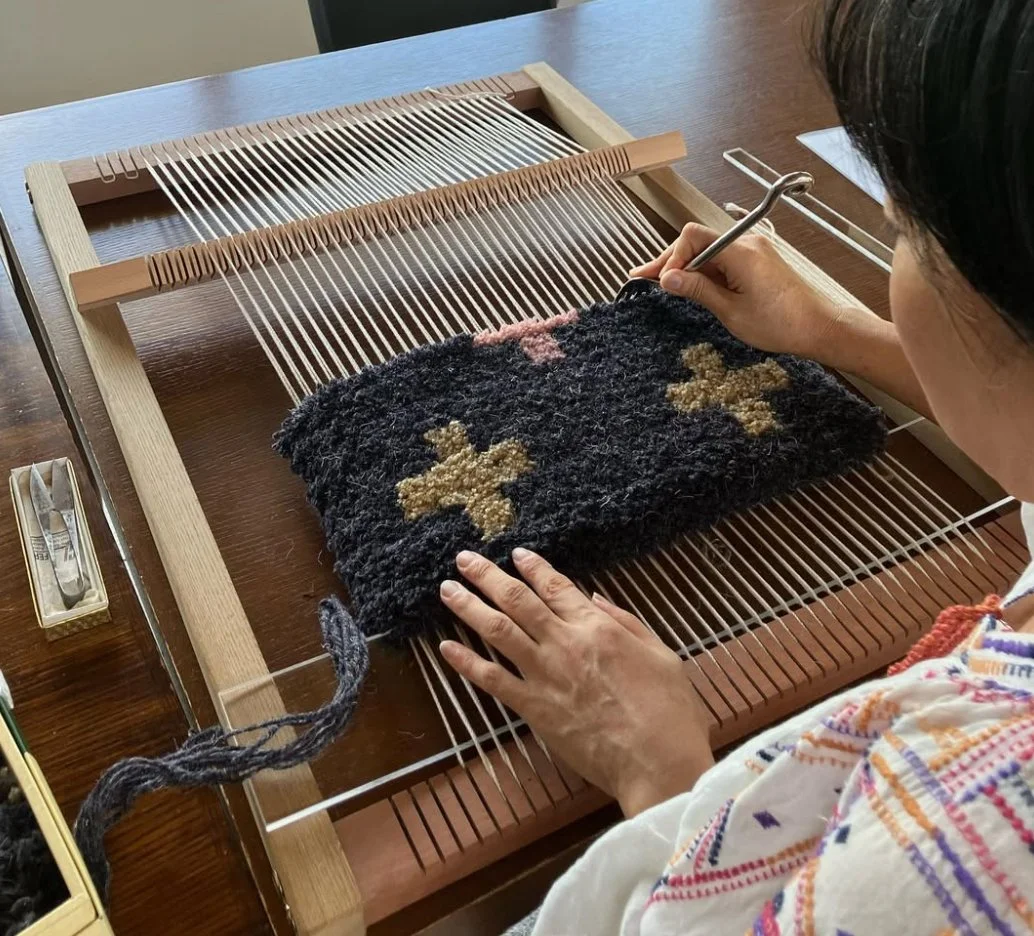
Looking for things to do in New York this September? Learn the Turkish knotting technique on a mini frame loom with instructor Toyomi Harada at Loop of the Loom — September 26 at the UES studio, September 27 in DUMBO — part of New York Textile Month.
Textile Stories: The Art of Block Printing
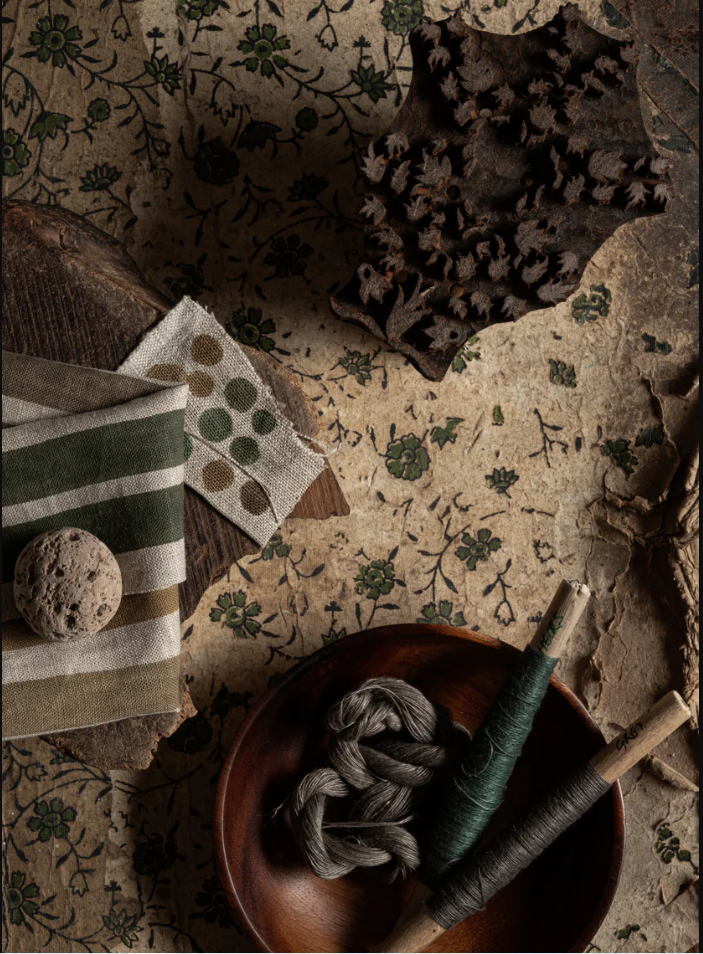
Sooteē invites visitors into an immersive exhibition and hands-on block printing workshop celebrating India's textile heritage—hand block printed and handwoven textiles, Shisha mirror work embroidery, and the artisans who preserve these traditions. Friday, September 25, 2026, 1:00–5:00 PM.
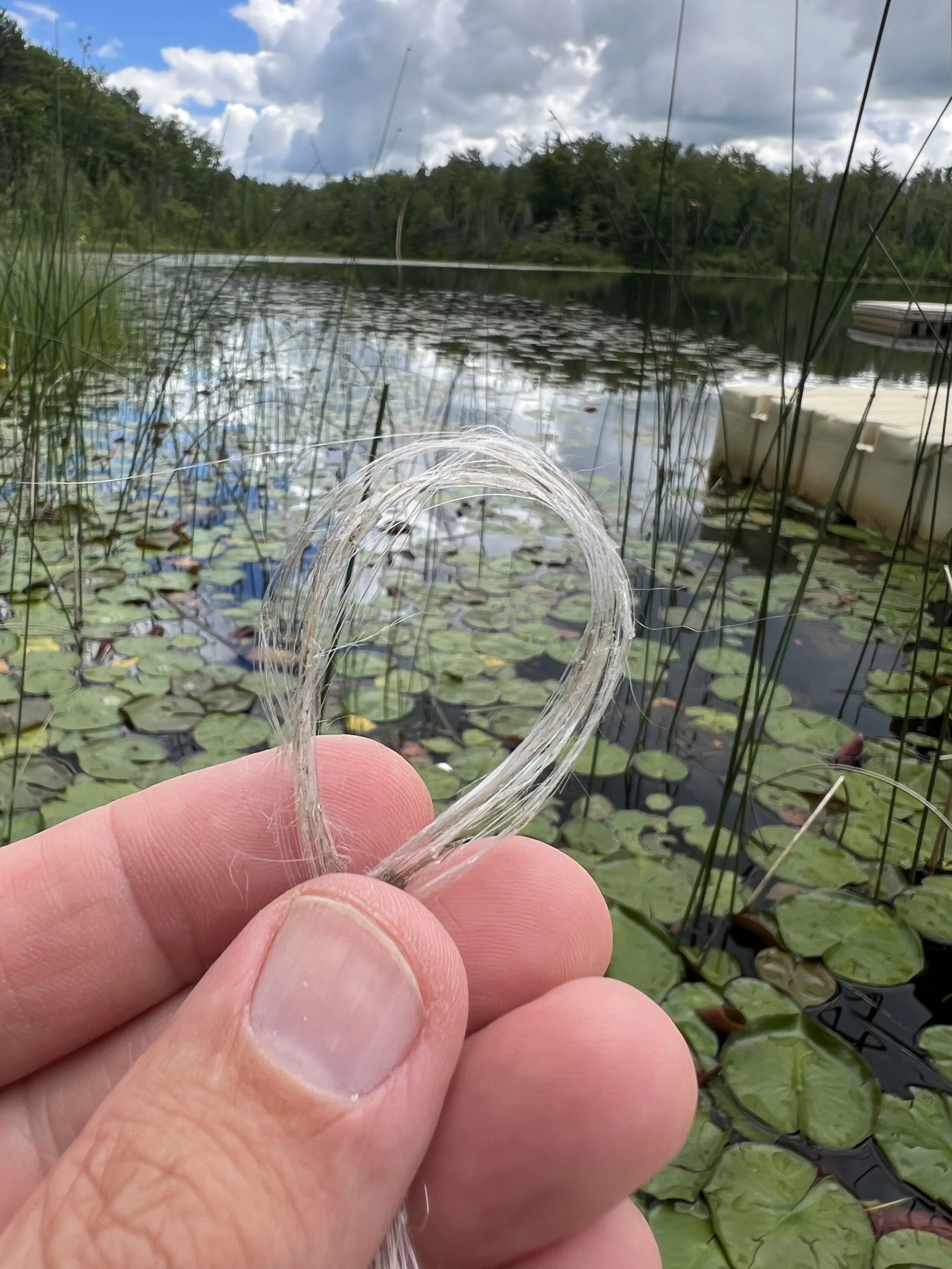
Growing, Gathering, and Generating: Pathways and Possibilities for Native North American Fiber Plants
Online/ Talk / Processing & Spinning
Mitch Frank will present alongside two University of Wisconsin–Madison undergraduate researchers on the varied potential of North American fiber plants. The talk will explore growing, gathering, and processing plants for textile fiber, as well as opportunities to make use of other plant materials and processing byproducts.
Frank will discuss his ongoing research into native North American plants that produce bast fiber with qualities similar to flax and hemp, including approaches to cultivation, responsible gathering, and processing fiber for yarn and textiles. Undergraduate researchers will present two related material studies that look beyond the production of conventional fiber. One project explores the use of woody hurds and shive left after fiber processing to create biocomposite materials. The other investigates native fiber plants as alternative cellulose feedstocks for regenerated fibers.
Together, these projects consider how fiber plants might provide multiple useful material streams and how greater use of perennial and naturally occurring species could expand the range of plants considered for textile and material production.
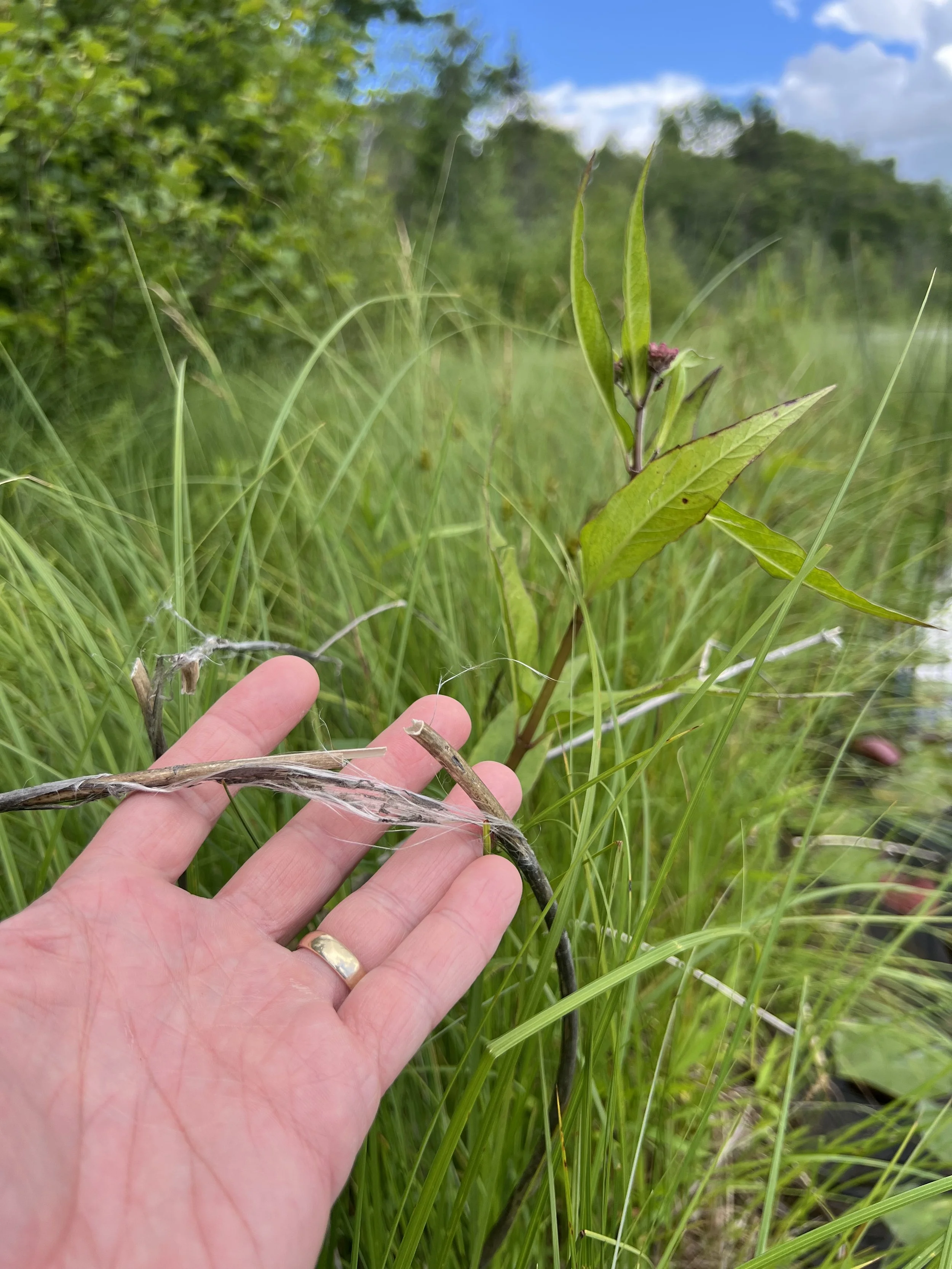
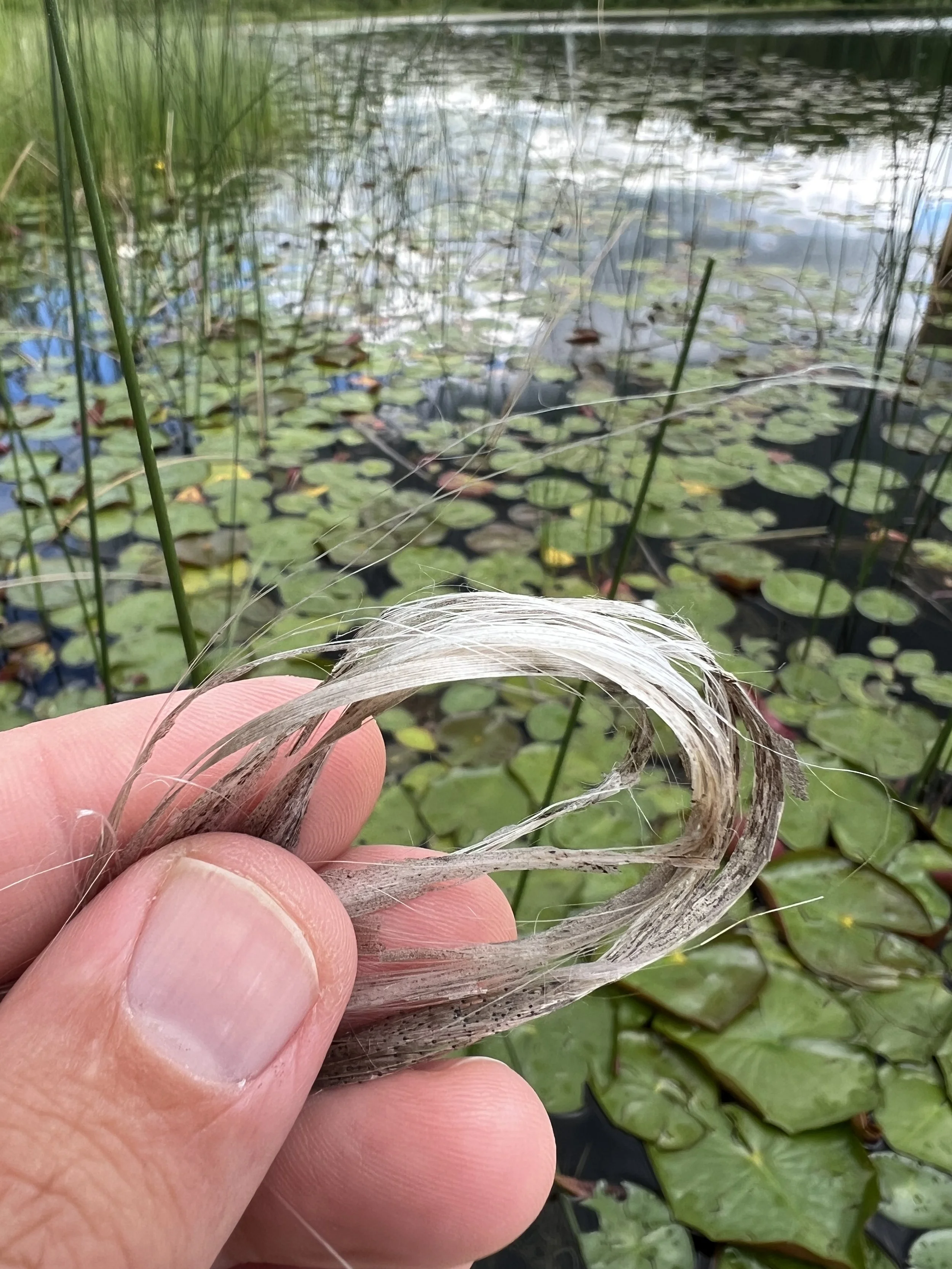
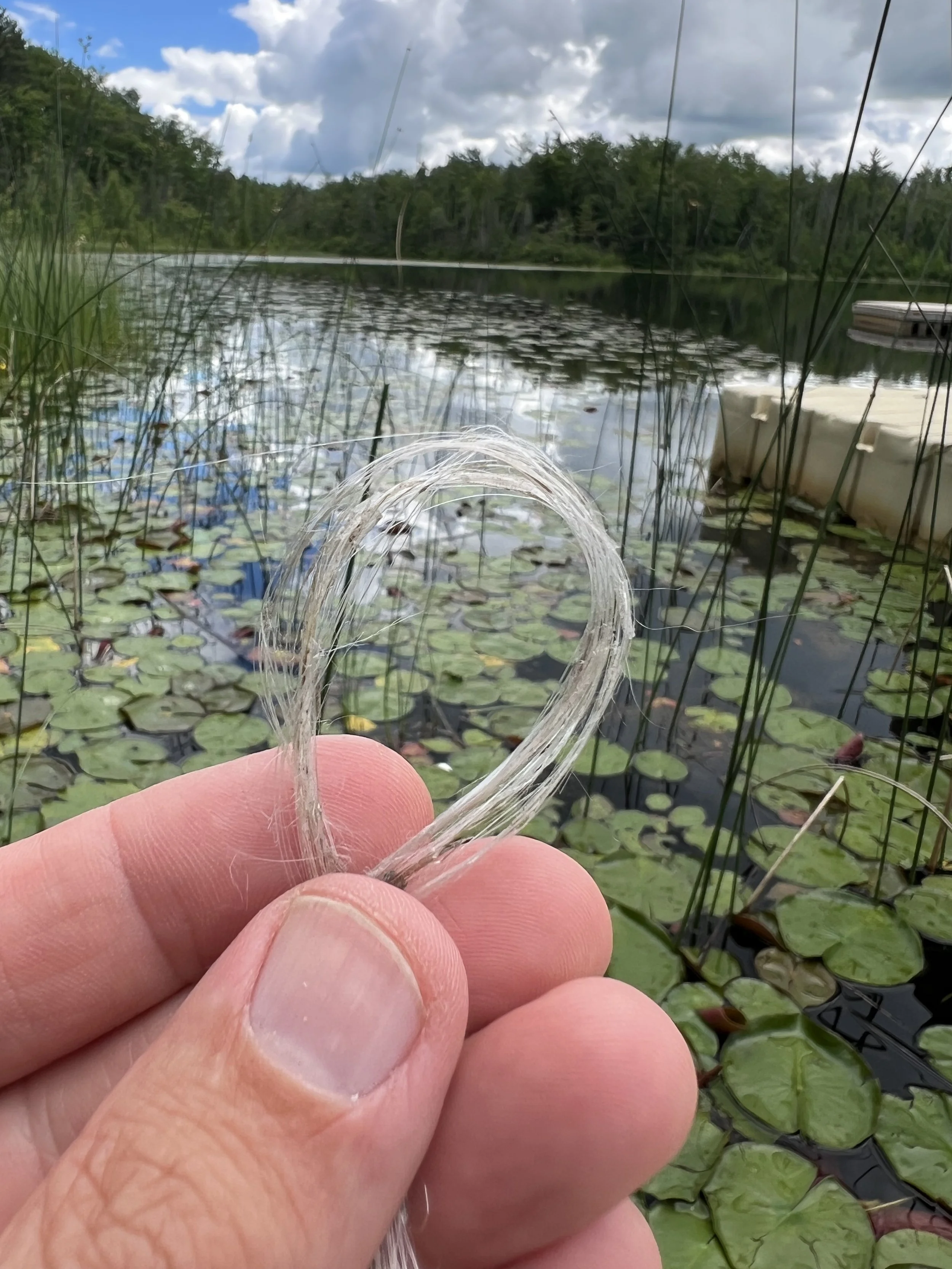
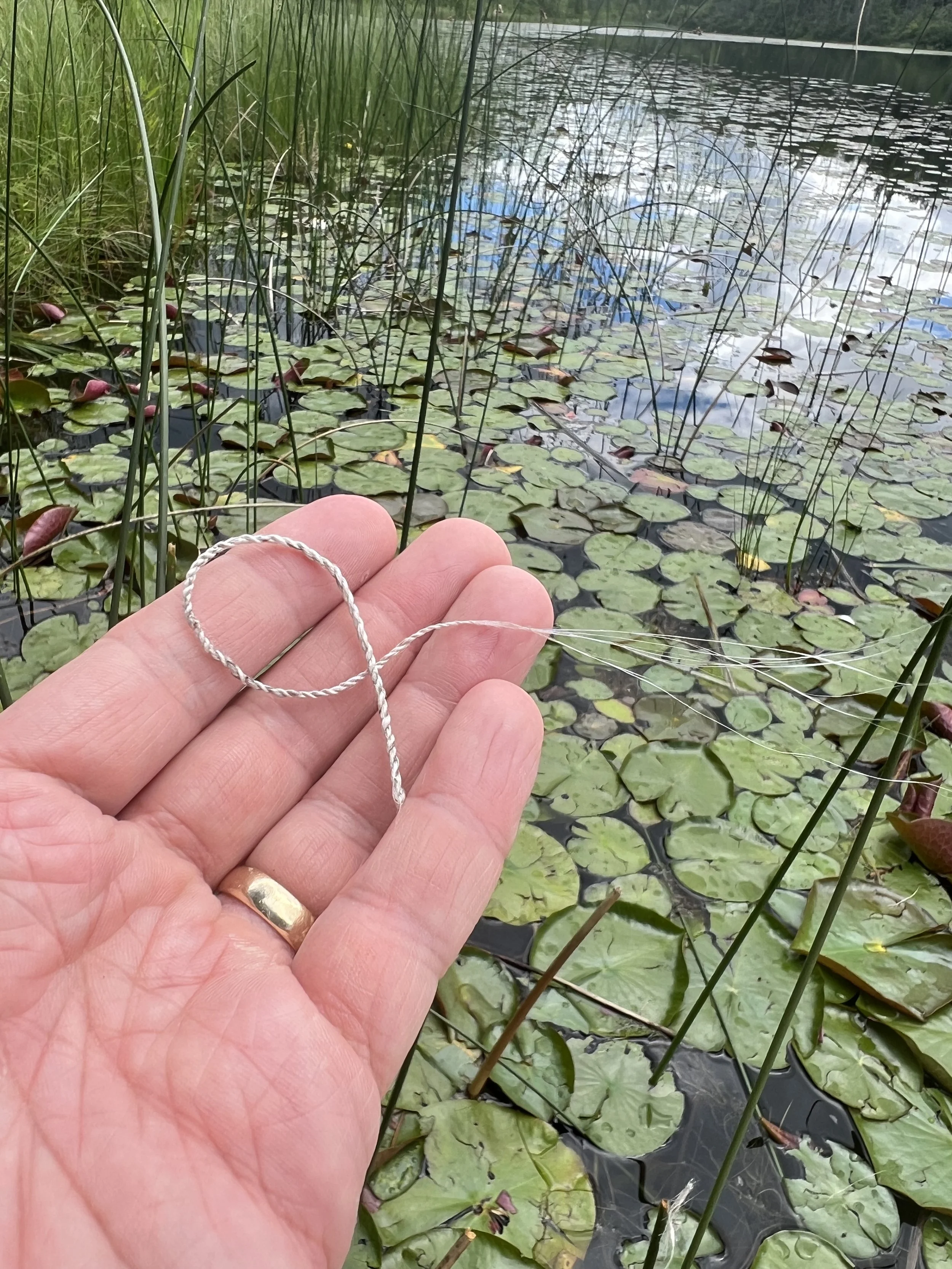
Blue Star Line is a project by educator and designer Mitch Frank. “Line” is a trade term for the long fibers that can be harvested from the stems of some plants. Line fiber is used to make strong yarn for weaving and knitting.
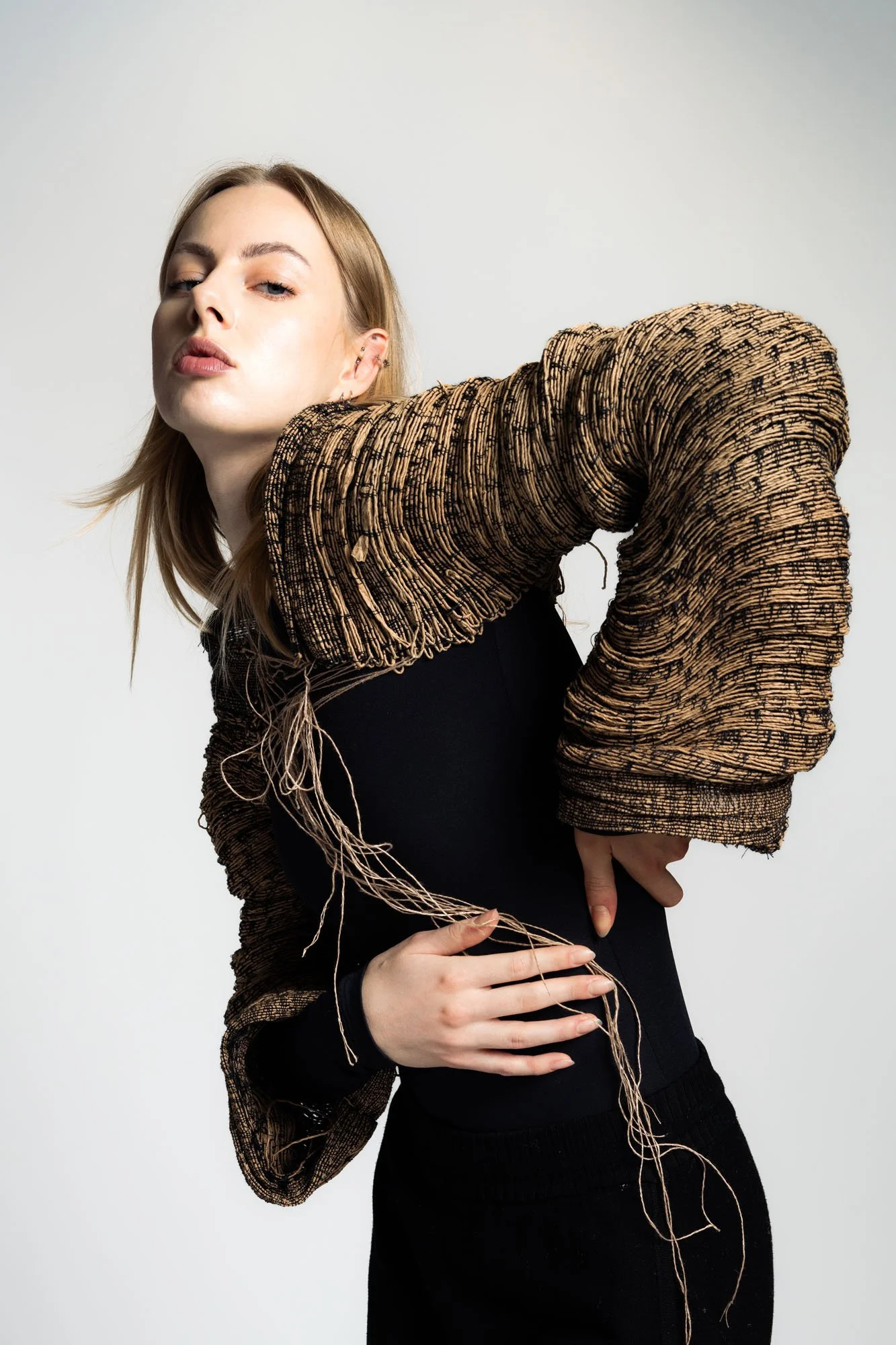
Tour de Tools. Hacking the weaving tools
A live online tour of the Textile Department at Pallas University of Applied Sciences, showcasing DIY-modified weaving tools and student work that challenges conventional weaving techniques. Friday, September 25, 2026, 2:00–3:00 PM.
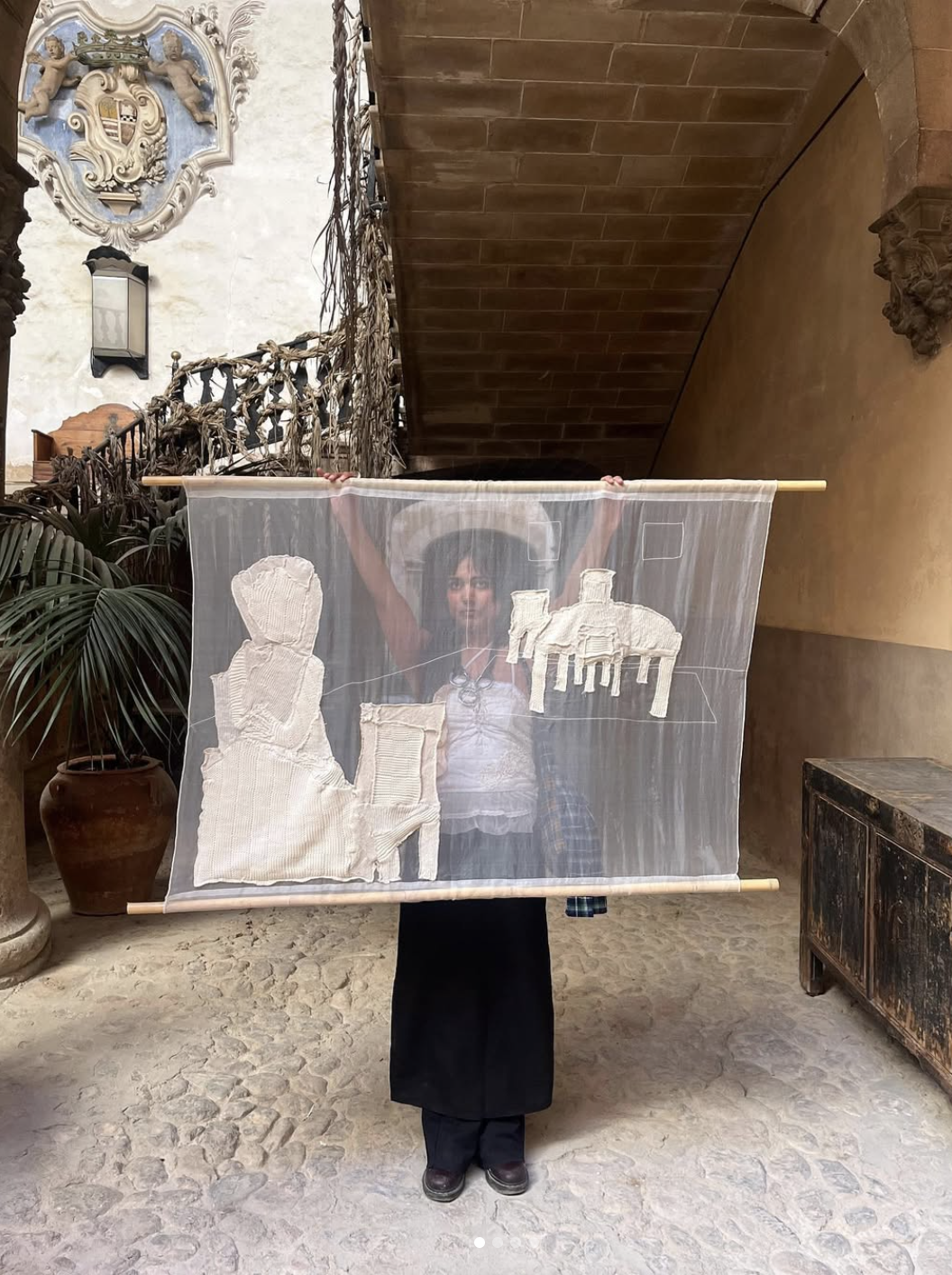
Contemporary @ Heirloom presents Shradha Kochhar: Elongating Time
Contemporary @ Heirloom presents Shradha Kochhar, a Brooklyn-based textile artist whose hand-spun, hand-knitted khadi sculptures made with indigenous kala cotton explore material memory, invisible labor, and South Asian narratives. Opening September 24, 2026.
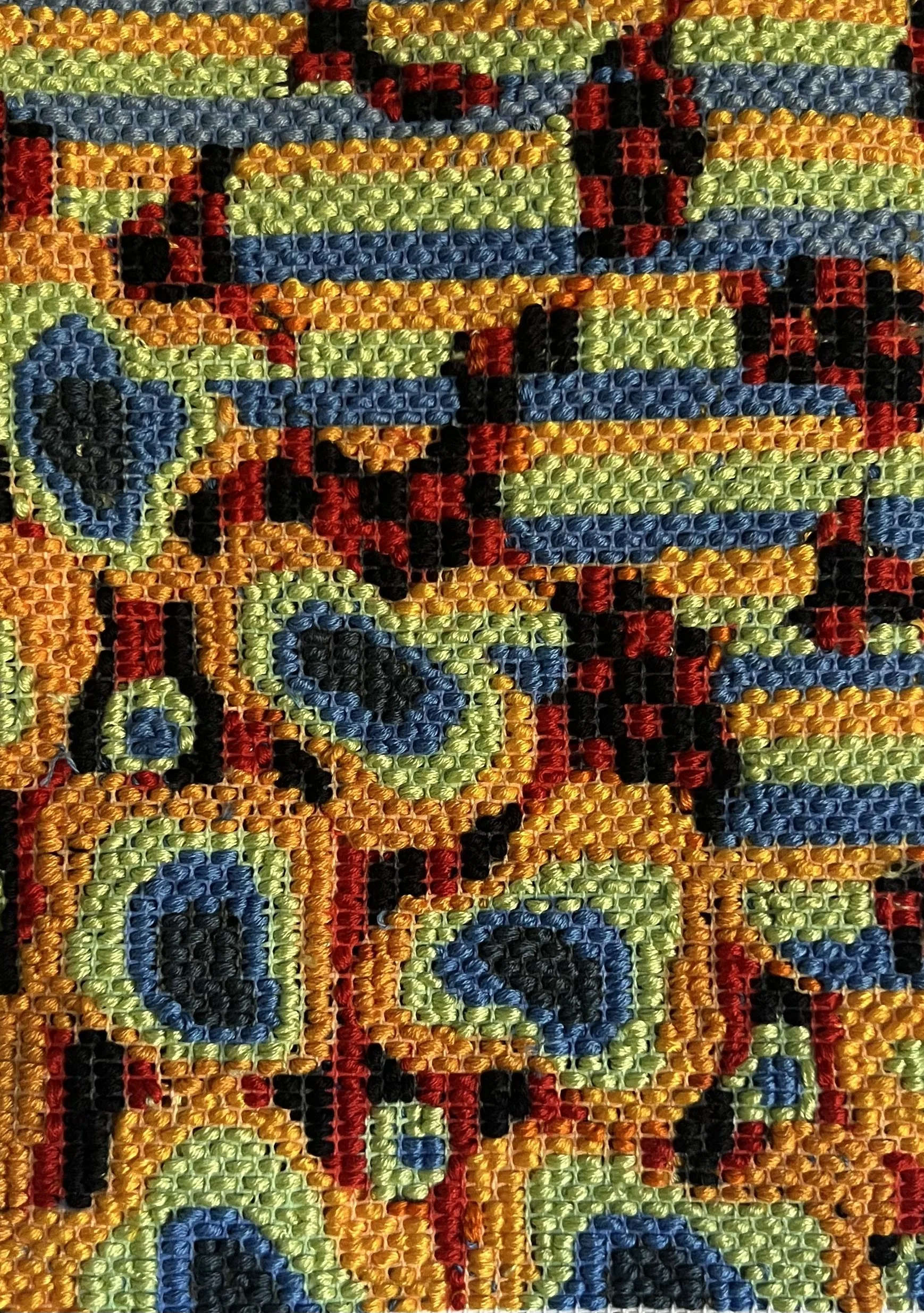
Breathing Patterns
In person/ Exhibition / Embroidery
Breathing Patterns is an exhibition of hand-embroidered wall works and accompanying scent compositions that explore geometry as a living, embodied system. Created through slow, repetitive hand needlework, the embroidered forms draw on geometric patterning as a language of structure, care, and endurance. Each stitch accumulates time, marking the quiet labor of the hand while transforming rigid systems into intimate, tactile surfaces.
The geometric patterns suggest order and repetition, yet they are never mechanical. Slight irregularities—inevitable in handwork—introduce breath, vulnerability, and presence. These deviations become central to the work, emphasizing the body behind the pattern and the feminist lineage of needlework as both domestic labor and creative resistance.
Scent functions as an invisible counterpart to the stitch. Developed in dialogue with the embroidered forms, the fragrances move through space as thread moves through cloth—activating memory, emotion, and physical awareness. Rather than illustrating the visual works, scent extends them, allowing the patterns to be felt as atmosphere and duration.
Together, embroidery and fragrance invite a slower mode of attention. Breathing Patterns proposes making and sensing as acts of care, where repetition becomes meditative and geometry becomes intimate—measured not only by the eye, but by the body in time and breath.
No registration required!
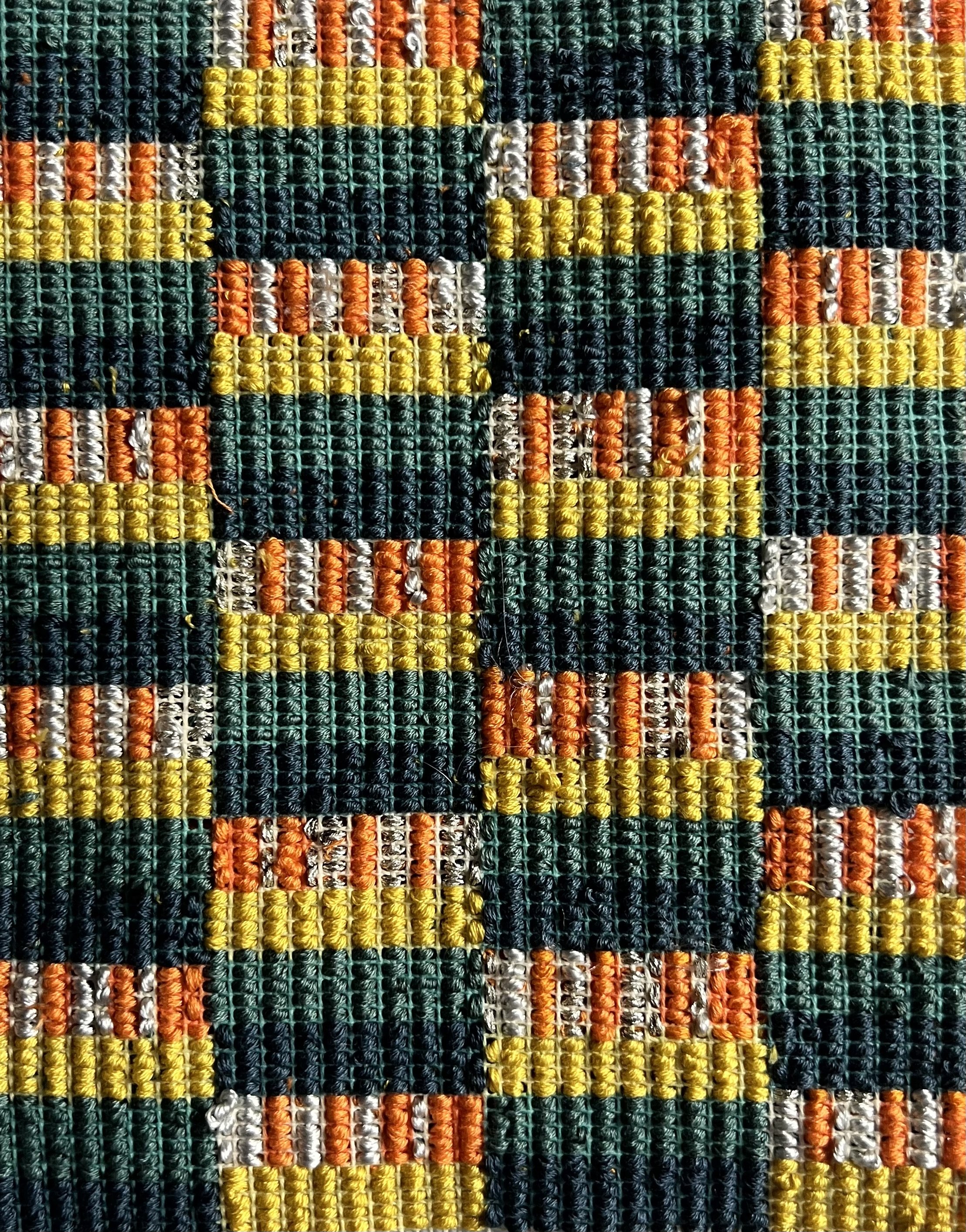
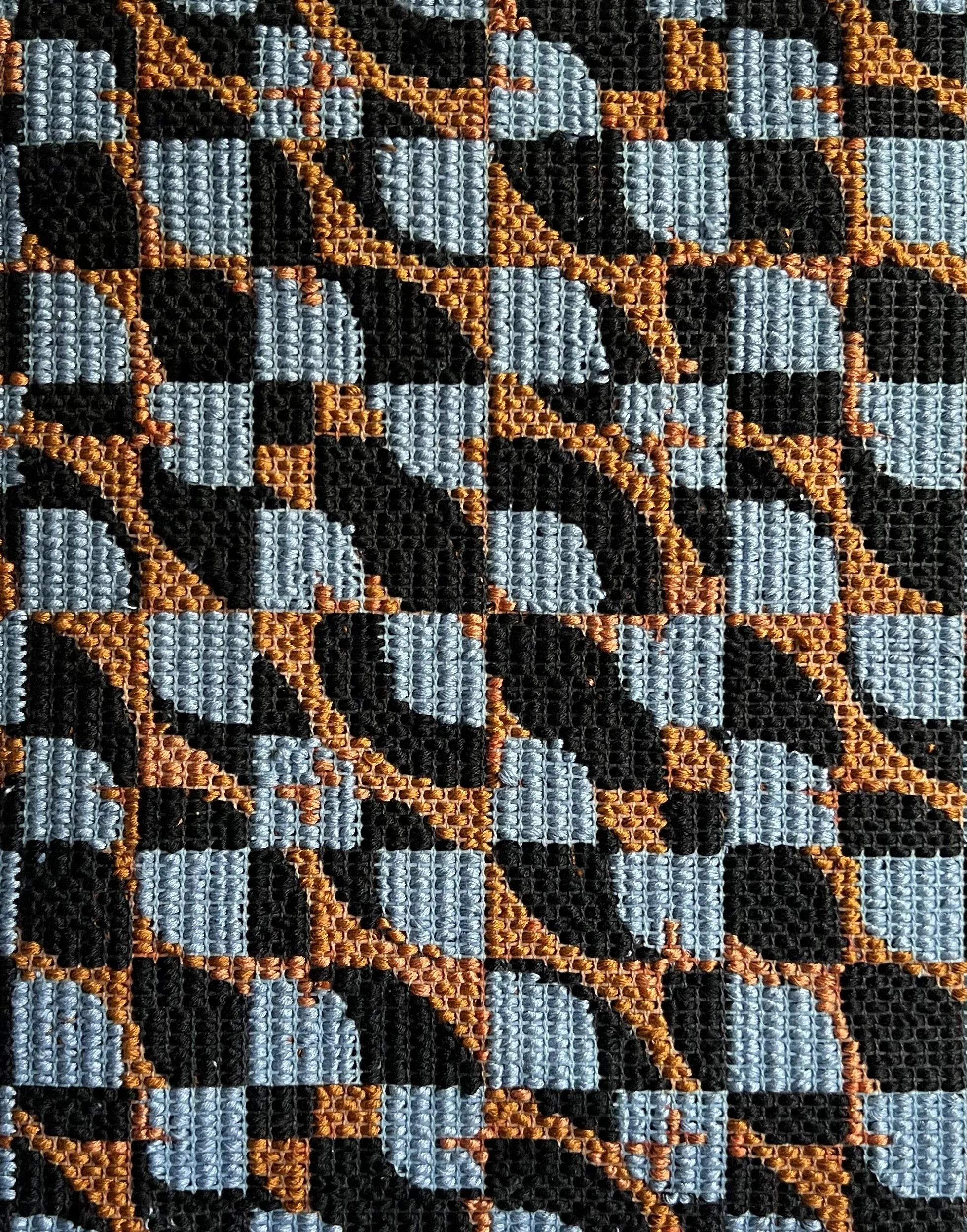
Anna Novakov is an interdisciplinary artist working across textile, scent, and installation. Rooted in traditions of hand needlework, her practice draws on Serbian cultural heritage and the labor of domestic craft to explore memory, lineage, and embodied knowledge. She integrates olfactory elements to extend the sensory experience beyond the visual, creating immersive environments that engage touch, smell, and sound. Her work often examines themes of diaspora, transformation, and intimacy, positioning the handmade as both material and method. Through repetition and subtle variation, Novakov constructs poetic spaces where personal and collective histories quietly converge.

From Farm to Fabric: Indigo Cultivation in the Lowcountry
Online/Workshop / Textile Industry
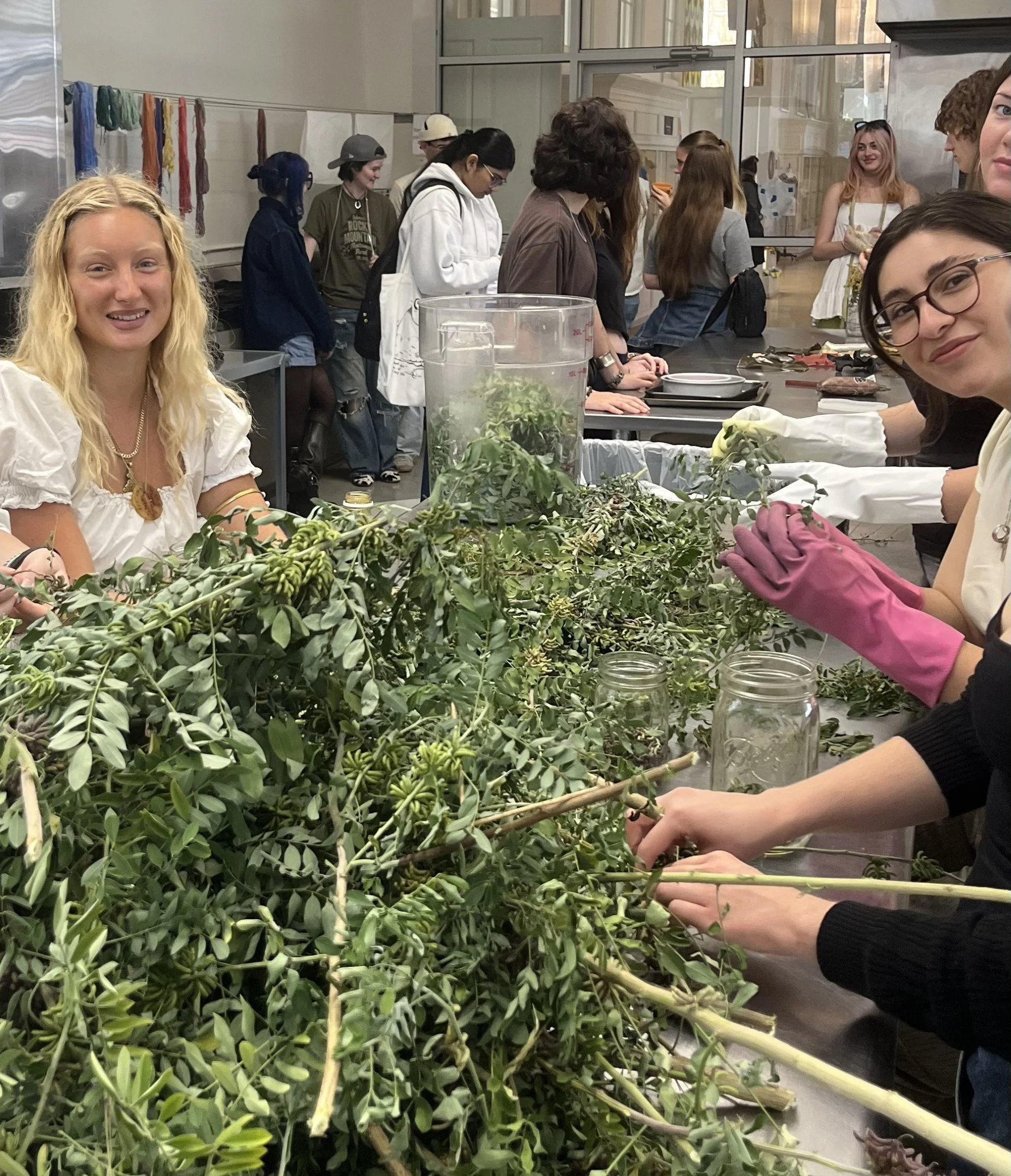
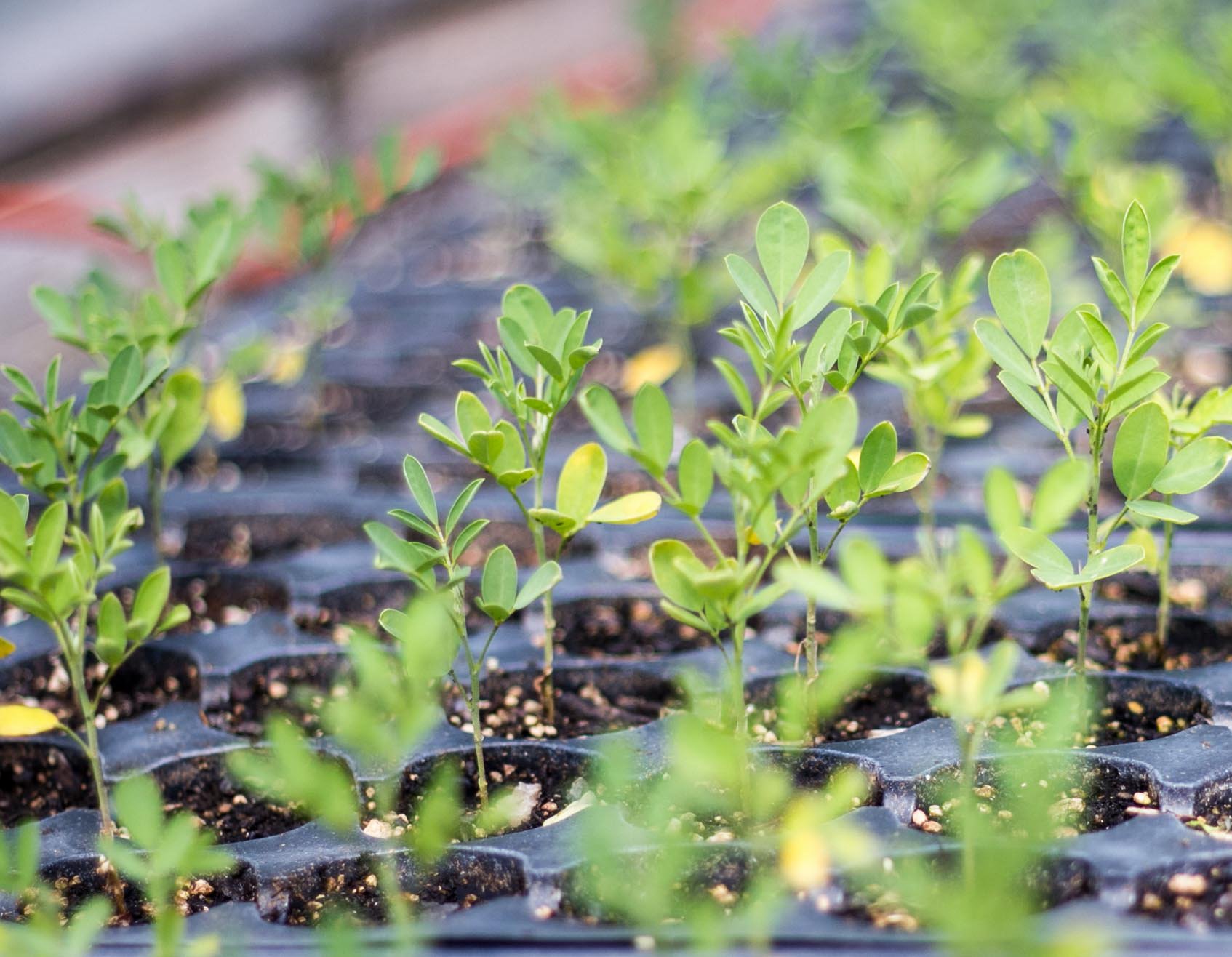
Join Heather Powers, President of the International Center for Indigo Culture and SCAD alumna (Fibers BFA, 1998), and Professor Jessica Smith as they guide Fibers students through cultivating and processing Indigofera suffruticosa at the BACK40, SCAD's sustainable urban farm.
This virtual program is designed to educate consumers, artists, and farmers about the importance of this irreplaceable regional agricultural and cultural resource. It explores indigo's history in the Lowcountry, the coastal region from north of Charleston, South Carolina, through Savannah, Georgia, to Jacksonville, Florida. Once a major colonial cash crop and source of the region's iconic deep blue dye, indigo is now being revived by Gullah Geechee farmers and artisans to preserve cultural heritage, sustain family lands, and produce natural, non-toxic dyes.
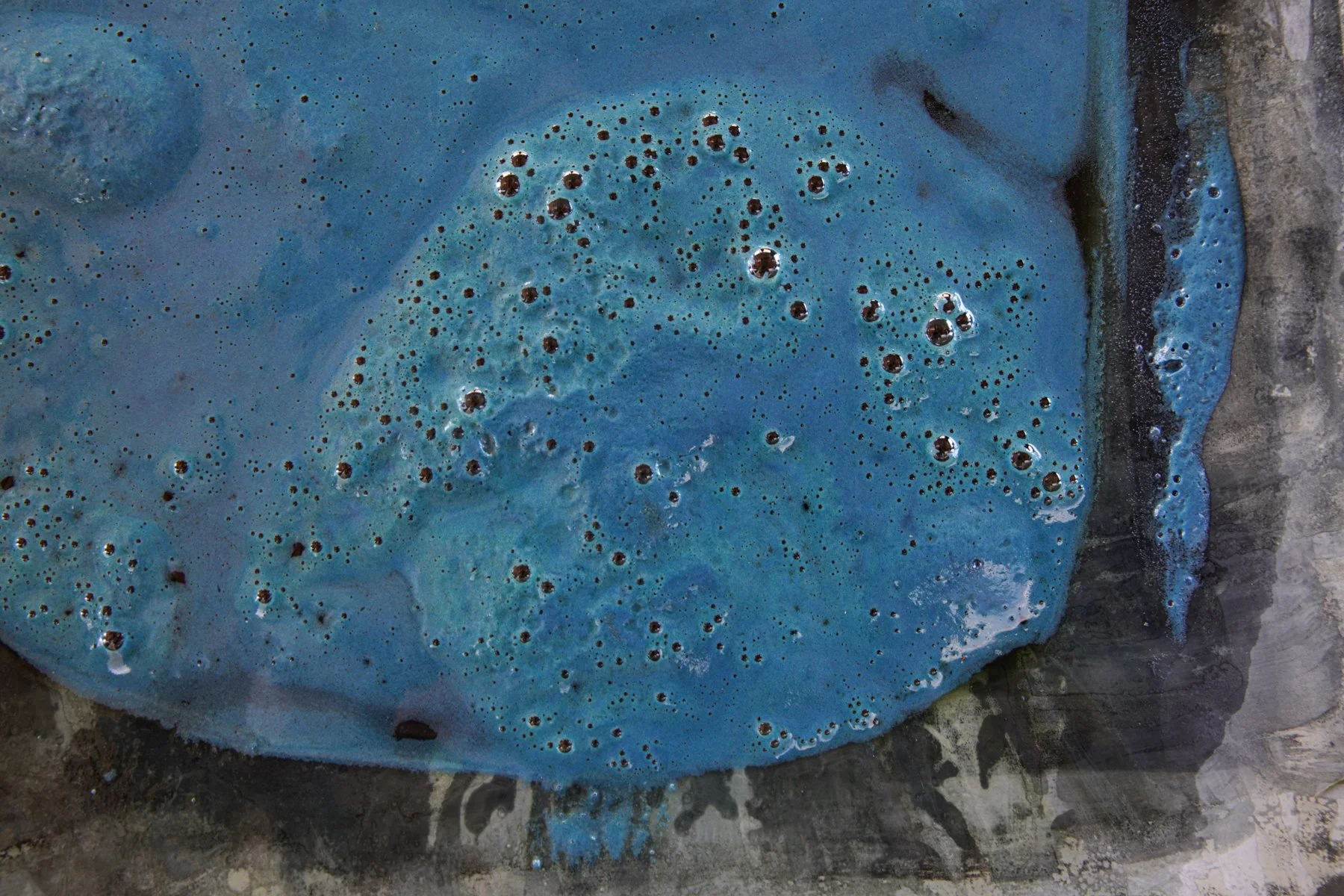
Over two days, the SCAD Fibers department and Heather Powers demonstrate cultivating and processing indigo leaves into dyestuff, covering harvest, fermentation, filtration, drying, and storage.
Day One - Thursday, September 24, 12:00 PM – 1:30 PM
Examines indigo's significance as both cash crop and art form, including tools and methods used by enslaved people, many from West African indigo-dyeing traditions, and how contemporary artists and farmers carry the practice forward today. As students harvest plants, Heather will demonstrate a fresh-leaf vat using freshly picked leaves.
Day Two - Friday, September 25, 10:00 AM – 2:00 PM
Covers pigment extraction, an all-day process open to tune in and out of, culminating in filtration of the extracted indigo for drying and storage.
All stages will be recorded and shared with registered participants afterward.
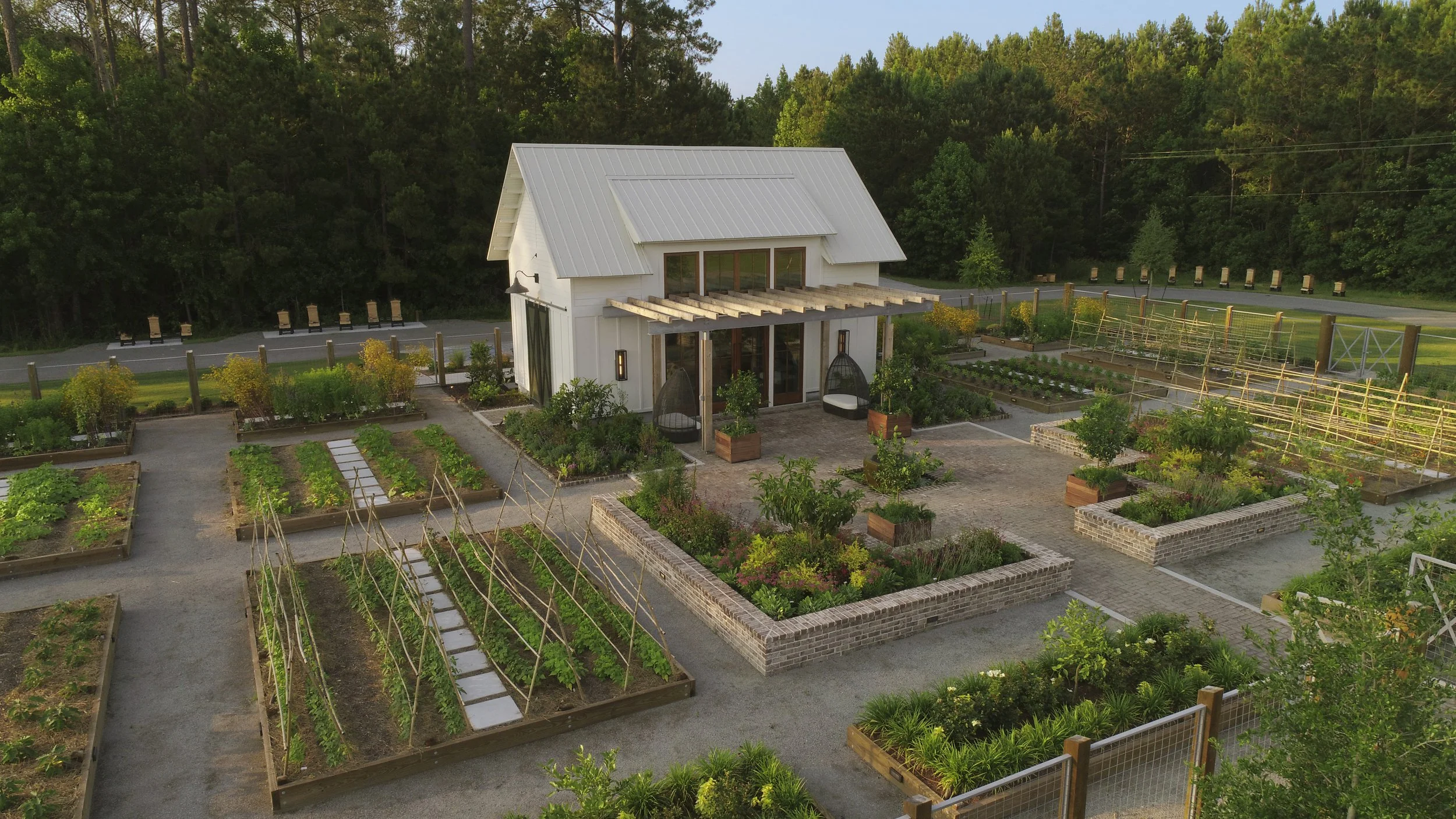
Jessica Smith is an artist and designer based in Savannah, Georgia. Her studio practice investigates the social and political role of textiles in Western culture, with a focus on authentic material production, from natural dye to 3D printing. She is a fibers professor at SCAD and co-author of Overshot (UGA Press, 2020).
Heather Powers career in textiles began with a BFA in Fibers (SCAD). Her creative practice (weaving & natural dyeing) informs her projects as a collection consultant and appraiser across design, research, and education. In 2021, she earned an MA in Historical Craft and directs the International Center for Indigo Culture.

Soil to Surface
In person / Exhibition / Dyeing
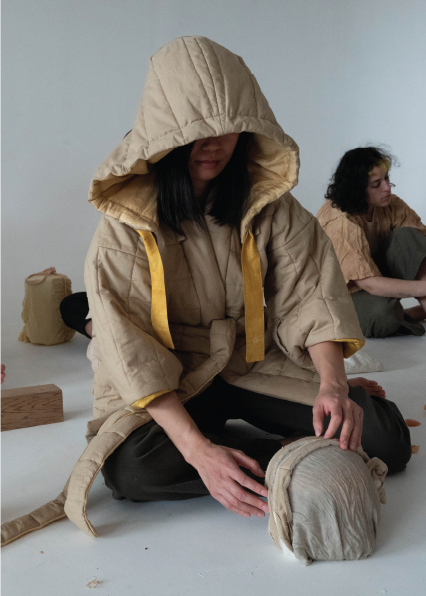
Soil to Surface highlights the creations of small-scale women farmers, women’s cooperatives, and internationally recognized designers from Türkiye, alongside the work of School of Art and Design students, faculty, and alumni at the Fashion Institute of Technology (FIT). Proposing an alternative framework where farmers, craftspeople, and designers operate on equal ground, the exhibition sees the FIT community actively reimagining these materials for contemporary design through technical experimentation and innovative thinking.
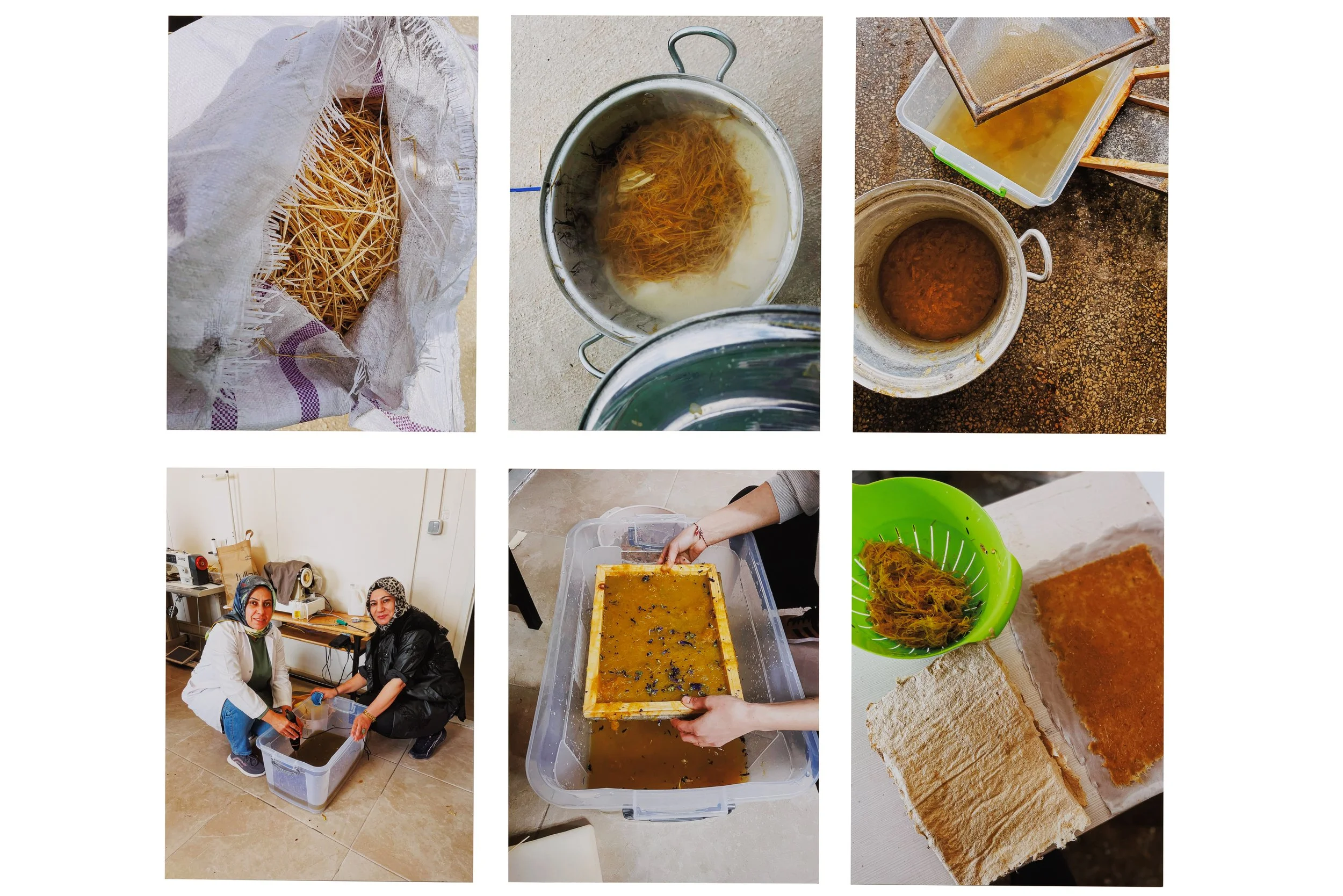
Agricultural waste and local textile materials are repositioned in a contemporary context, allowing multiple narratives to emerge across time and geographies, while creating new paths for creative businesses to be local, sustainable, and value-driven.
Central to this process are women farmers and women’s cooperatives in Türkiye, whose knowledge, labor, creativity, and lived experience have transformed agricultural byproducts into new material possibilities. Their relationship with the land has been cultivated across generations. Working with pomegranate peels, walnut husks, nettle leaves, onion skins, bay leaves, and barley straw, they transform these materials into plant-based dyes, paperlike surfaces, and handcrafted embellishments. By integrating agricultural production with artistic practice, Soil to Surface challenges conventional hierarchies and suggests a more inclusive and socially just model for creative collaboration.
The exhibition opens on Thursday, September 24 and is on view at the FIT Art and Design Gallery through November 1, 2026.

The Art and Design Gallery at FIT showcases the work of students, faculty, and distinguished alumni, as well as invited guest artists and collaborators. It is a window into the College and a window out. The exhibition spaces serve as a place to foster learning and innovation.
Rethinking Textiles in an Age of Waste
Online/ Talk / Dyeing
Rethinking Textiles in an Age of Waste: A Study of Japanese Traditional and Contemporary Textiles, based on a year of field research in Japan.
This talk presents research and findings from Larissa Zemke's Master's thesis, Rethinking Textiles in an Age of Waste: A Study of Japanese Traditional and Contemporary Textiles, developed through a year of field research in Japan (2019–2020). Using a research-creation methodology, the project examines how traditional Japanese textile practices and philosophies offer lessons for textile sustainability today, with a focus on translating those insights into the activewear industry.
Drawing on archival research, interviews with artisans, and hands-on material experimentation, the talk explores how Japan's textile heritage, from bast fiber cultivation to traditional dye and weaving practices, informs more circular, less wasteful approaches to material design. Larissa shares how these findings shaped tangible design proposals, illustrating how traditional knowledge can inform contemporary innovation in fast-moving, high-waste sectors like activewear.
Attendees will gain insight into Japan's textile traditions as a living case study for sustainability, practical frameworks for applying historical practices to modern material challenges, and a window into research-creation as a methodology bridging academic research and design practice.
This talk is ideal for designers, brands, and researchers seeking grounded, culturally rich approaches to rethinking material use and waste in the fashion industry.
Join the event: https://meet.google.com/txz-ahai-omi

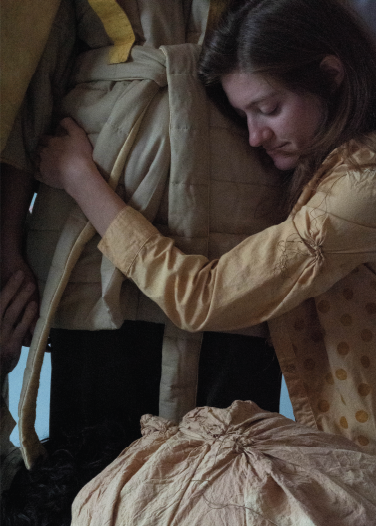
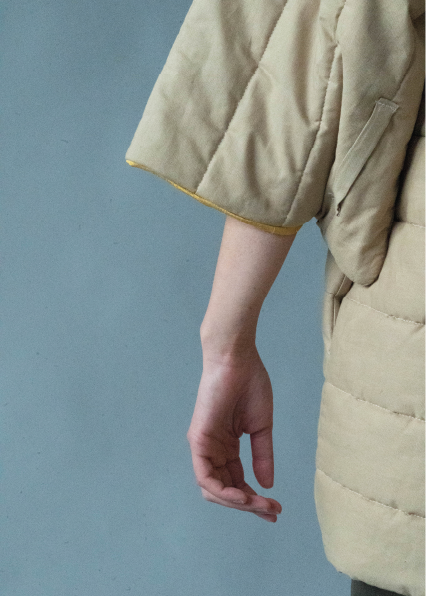
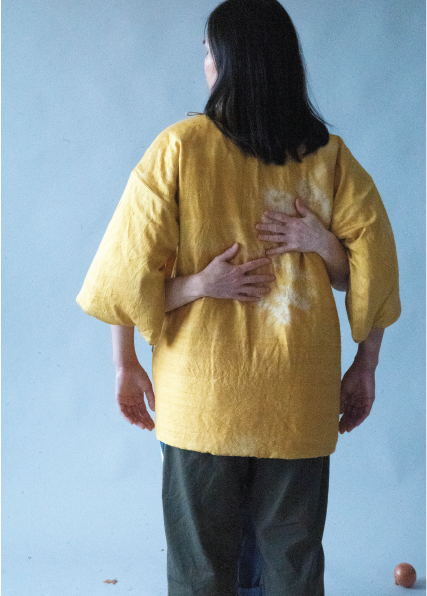
Larissa Zemke is a textile expert and material innovator focused on sustainability, natural fibers, and circular practices. Her international career across New York, Paris, Vienna, Kyoto, and Montreal spans print and embroidery, knitwear, leatherwork, dyeing, visual merchandising, and product management. She has contributed to an open-source textbook on corporate social responsibility published by SUNY, and is currently co-authoring a fashion-sector edition of the book.
Larissa holds a Bachelor's degree from the Fashion Institute of Technology and a Master's in Design from Concordia University (2023), rooted in a year of field research in Japan on sustainable fiber systems. She aims to advance innovation across the global apparel industry.
Larissa Zemke's consulting practice supports brands and institutions in advancing circular, responsible material practices through slow fashion frameworks and design with care. Her work has been shared through exhibitions, talks, workshops, and publications at leading design schools in New York, Montreal, and London. Recent collaborations include developing a biodegradable insulated jacket with Quebec industry partners and research conducted with Harvard's Innovation Lab.
She is also building a personal platform dedicated to slow fashion and sustainability. Larissa is open to interdisciplinary collaborations driving circular innovation across the global fashion industry.

Textiles Close Up
Join a live virtual roundtable hosted by the Textile Society of America, bringing together curators, scholars, and artists from Central New York to explore the dressed body, wearable innovations, and how textiles shape identity. Wednesday, September 23, 2026, 12:00–1:30 PM online.
Negotiated Skin
In person / Exhibition / Biomaterial
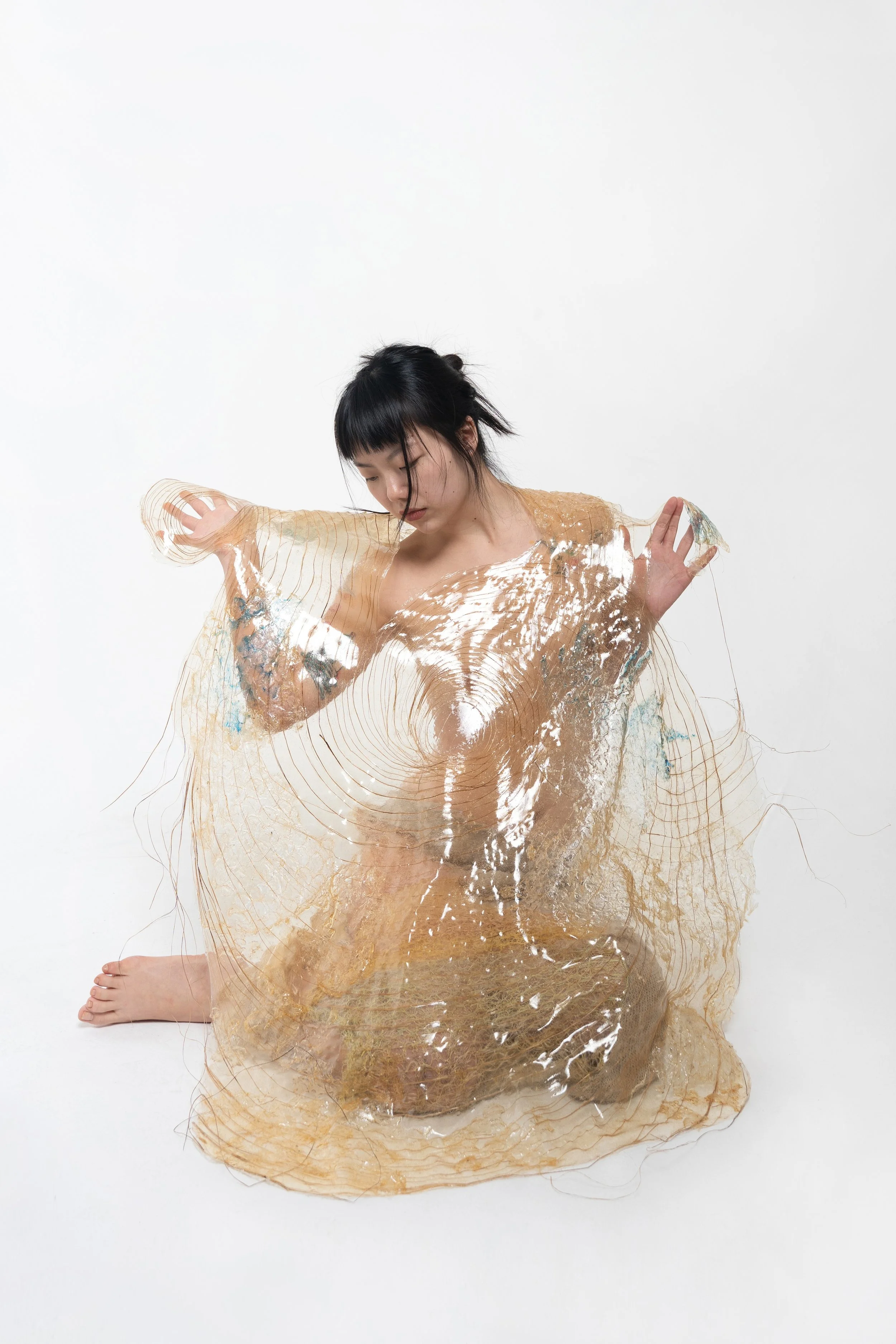
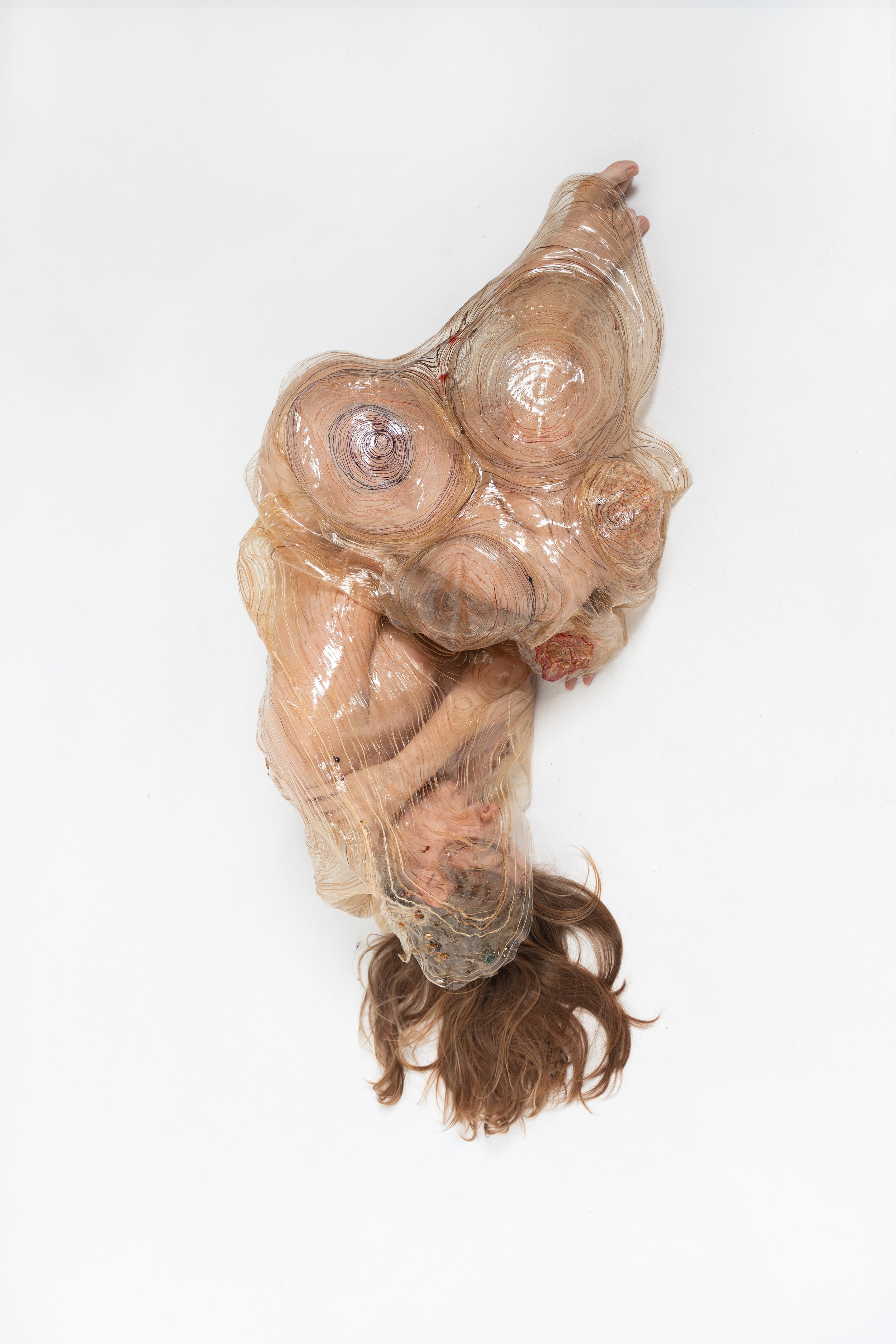
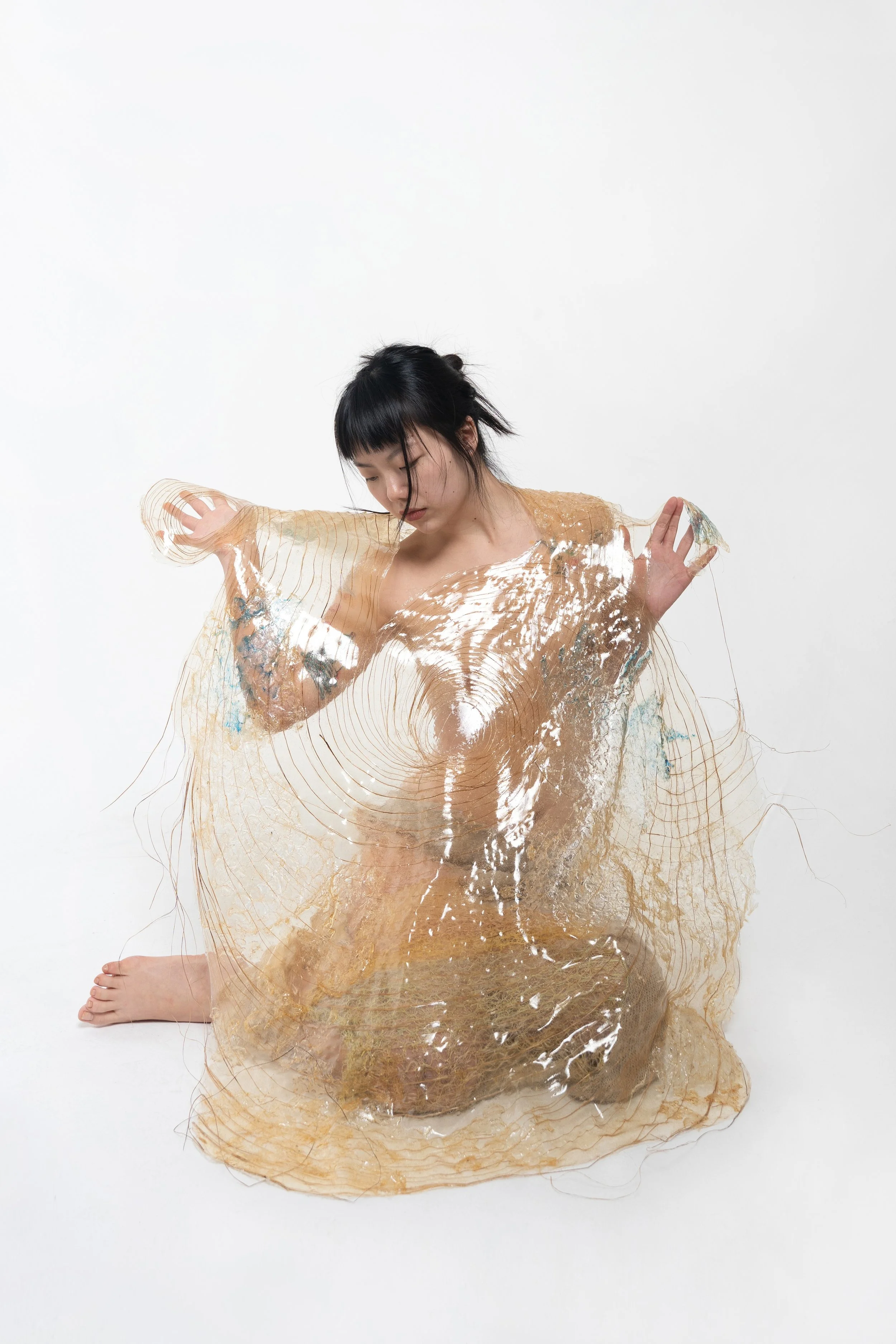
Negotiated Skin is an immersive, interdisciplinary solo exhibition by New York-based artist Freda Xinyue Xia, presented at Gallery 456, the visual arts exhibition space of the Chinese American Arts Council. Bringing together wearable sculpture, suspended fiber works, mineral-pigment paintings, and Chinese paintings, the exhibition creates an evolving environment in which soft sculptural forms and paintings enter into dialogue across body, material, time and space.
For this exhibition, Xia develops translucent, membrane-like forms through layering, suspension, collapse, and visible acts of repair. Instead of depicting the body directly, these works register its presence, moving between garment, sculpture, and installation. Alongside them, mineral-pigment paintings of heads glimpsed in New York City subway spaces offer a figurative counterpoint, tracing bodies in motion, proximity, and separation.
Across these media, Negotiated Skin explores boundaries between intimacy and exposure, abstraction and figuration, material fragility, and shared presence. Skin emerges not as a fixed border, but as a changing surface shaped by pressure, contact, and repair. Visitors are invited to move through the installation and encounter the work through proximity, movement, and perception.
Opening Reception: Sunday, September 20
6:00–9:00 PM
Closing Walkthrough / Artist Talk: Tuesday, September 22
6:30 PM – 7:30 PM
Chinese American Arts Council’s Gallery 456 Visual Arts Exhibition Series is made possible by the New York State Council on the Arts with the support of the Office of the Governor and the New York State Legislature.
Freda Xia is a multidisciplinary artist and designer based in New York. With a background in painting, fashion design, and textiles, she is currently pursuing an MFA in Textiles at Parsons School of Design. Her practice moves between biomaterials, wearable sculpture, soft textile structures, and installation. Working with hand-reeled raw silk, wool, fruit waste, and protein-based biomaterials, she creates membrane-like forms that explore bodily memory, rupture, repair, and transformation. Her work investigates textiles as living systems of protection, adaptation, and material alternatives to petroleum-based surfaces.
Re Fashion
In person/ Workshop / Textile Collage
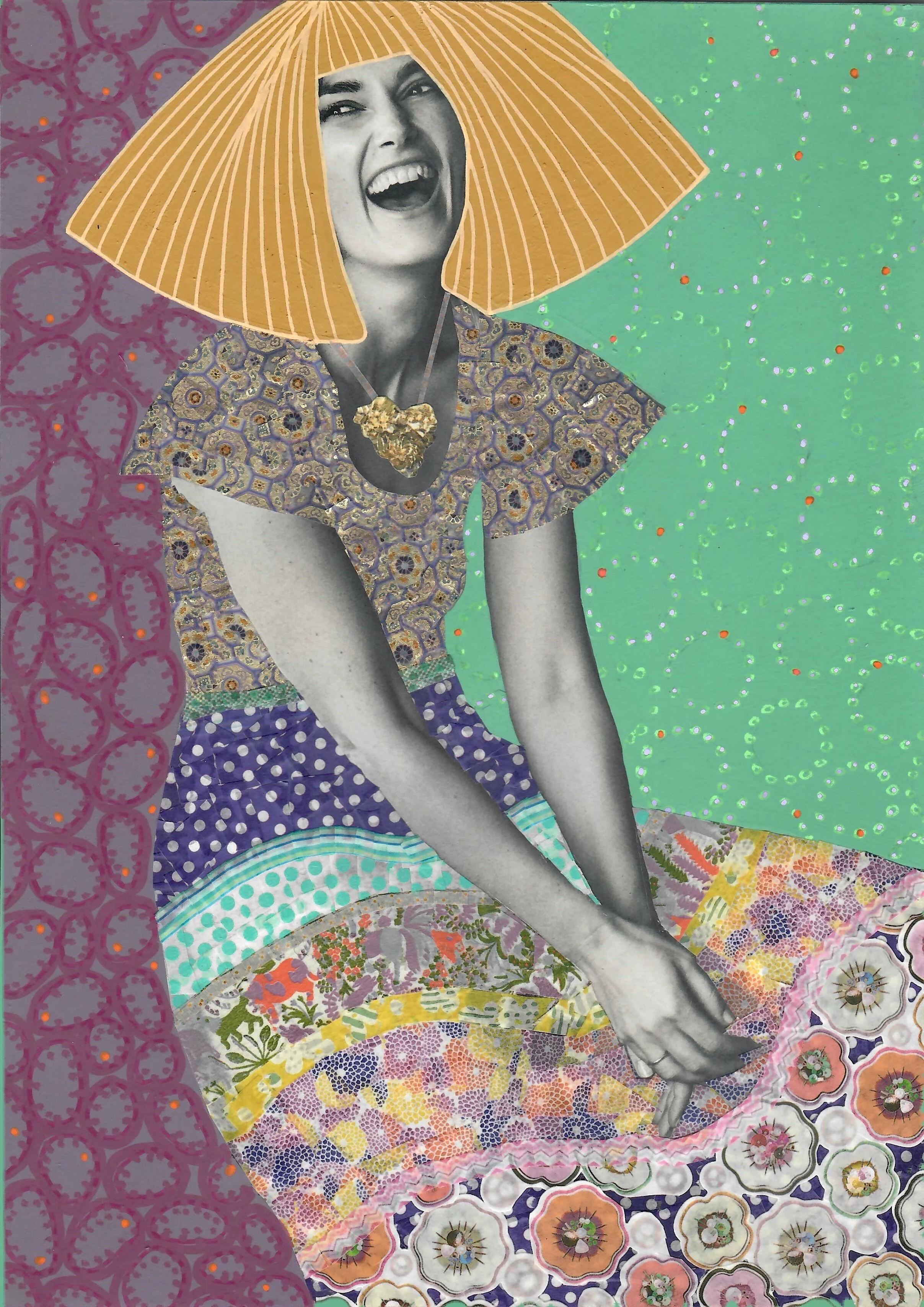
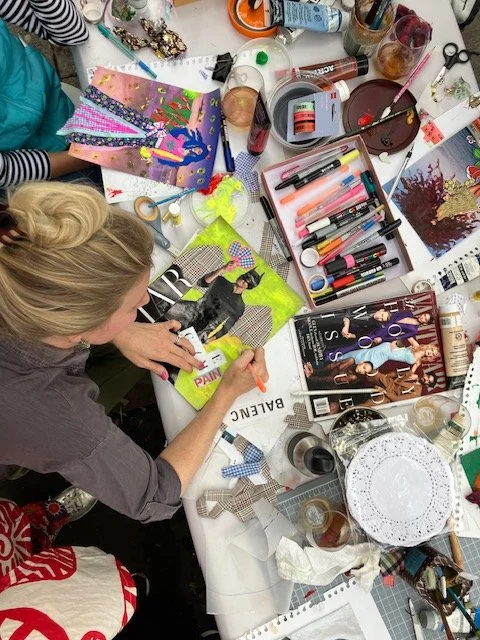
Celebrating New York Textile Month, we are excited to host an innovative workshop of fashion sketching with a twist.
Exploring textile possibilities using collage techniques with image, paper, acrylics, markers and fabric. Paula Rennis will guide you to the process.
Sunday September 20th, 3-5pm
1 class - $48.00 [2 hours]
A 2-hour workshop at the artist's studio at 18th St & 4th Ave. Park Slope, Brooklyn.
Upon registration you will receive the address.
Price includes all supplies. Limited space to 12 spots.
Any questions please reach out to paularennis@m2viscom.com
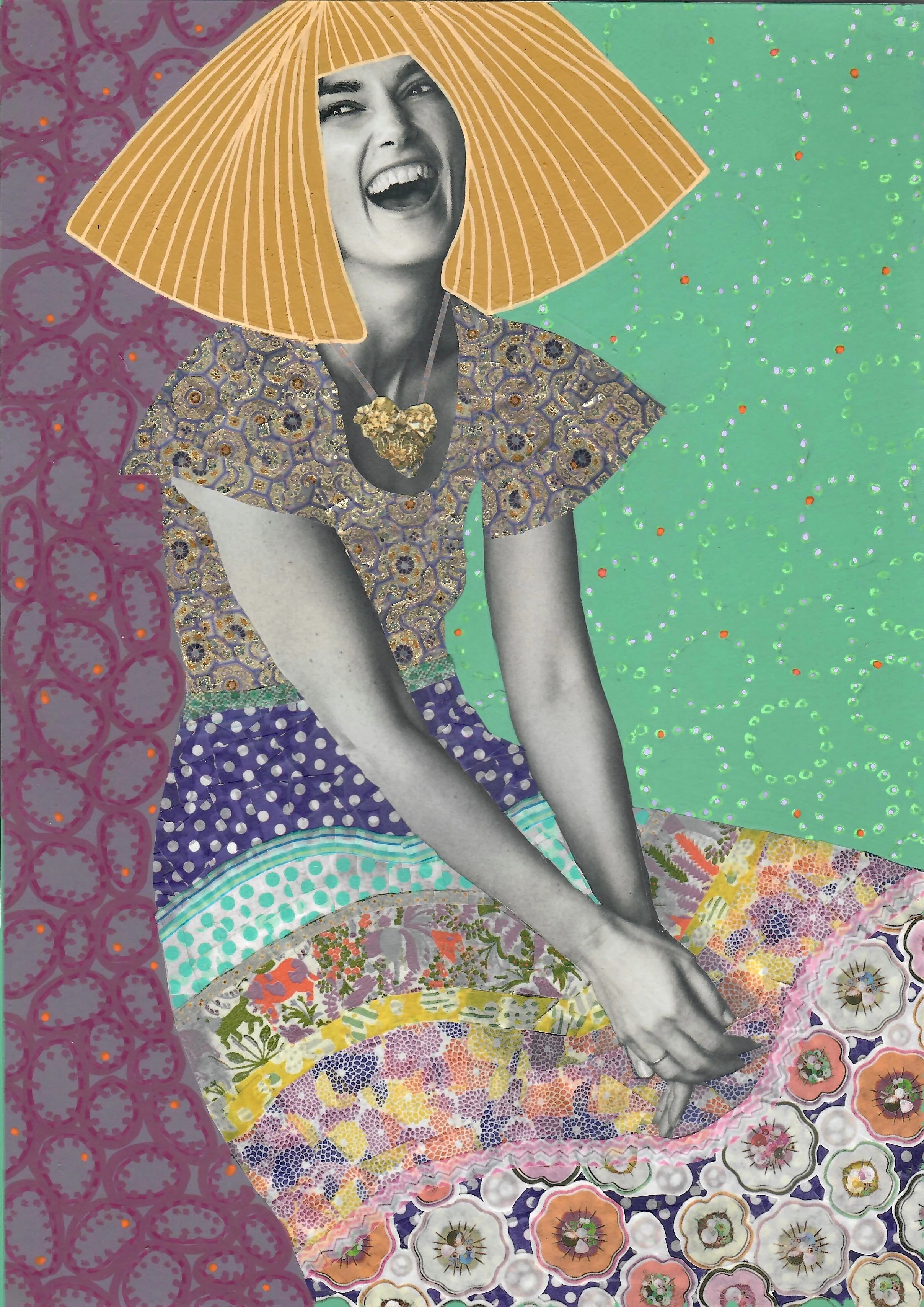
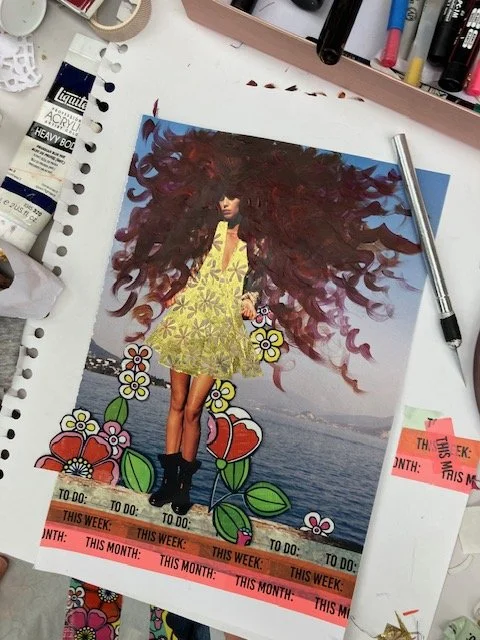
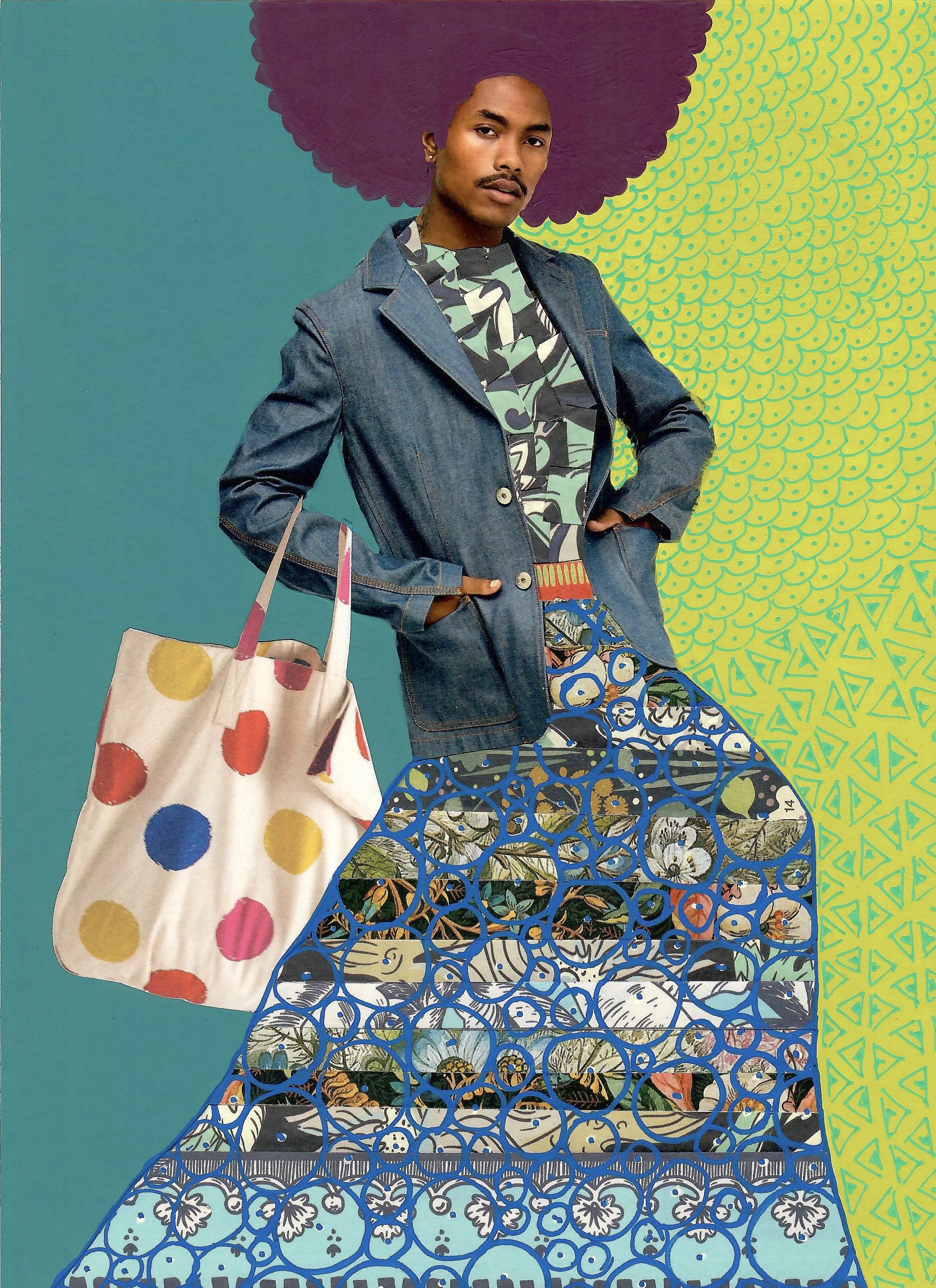
Argentinean by nature New Yorker by heart, I came to the US on a Fulbright Scholarship for a master's at Pratt Institute and studied
painting at The Art Students League of NY.
My imagination runs full speed looking at fashion magazines searching tor uniqueness, color and patterns, but only seeing outfits without personality. Nothing speaks to me. So I re-fashion the fashion magazines one page at a time. Once I find a pose that attracts me I create the outfits and accessories that I would love to see, adding some humor too dressing them with my "textiles" of acrylic, markers, paper, tape and fabric.

Reined In – A Solo Exhibition by Natale Adgnot
Reined In' is a solo exhibition of new soft sculpture and fiber works by Natale Adgnot, on view at Peep Space gallery in Tarrytown, NY, September 19 through November 1, 2026.
Open Streets Reads
In person / Workshop / Stamping
As part of our back-to-school Open streets event, GGripo Art and Design will host a t-shirt decorating workshop for kids.
No registration required!
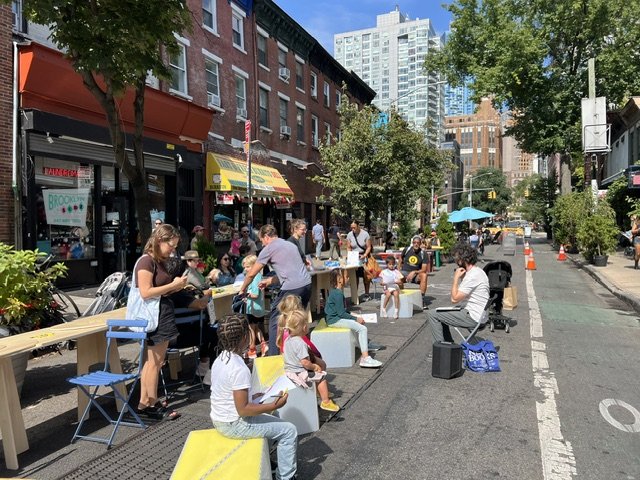
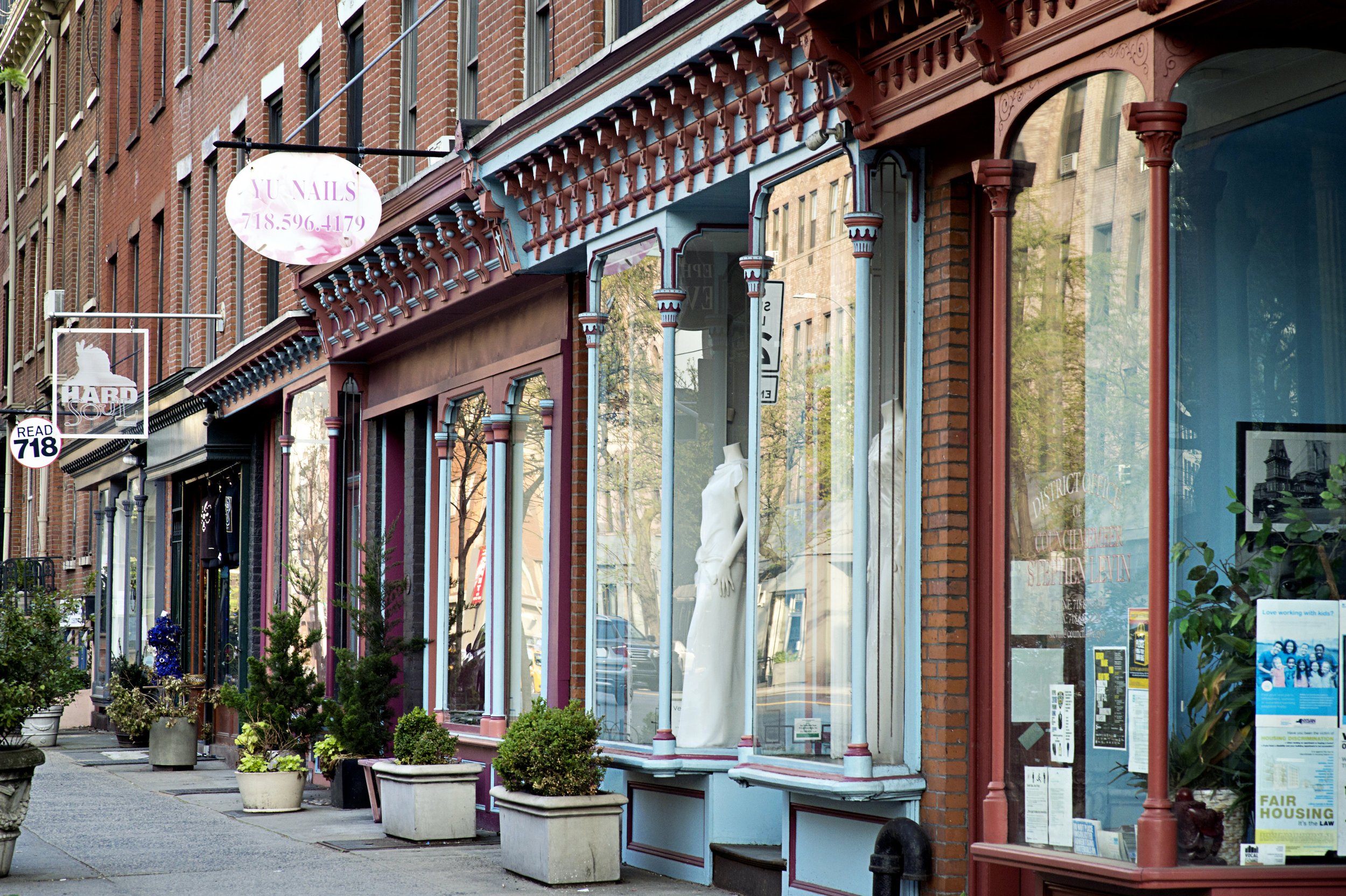
Representing more than 380 businesses in the vibrant neighborhoods of Brooklyn Heights, Boerum Hill, and Cobble Hill, the Atlantic Avenue Business Improvement District (AABID) is dedicated to promoting the long-term economic development of Atlantic Avenue from Fourth Avenue to the Waterfront.
Carbon Farm Tour
In person / Tour / Textile Industry
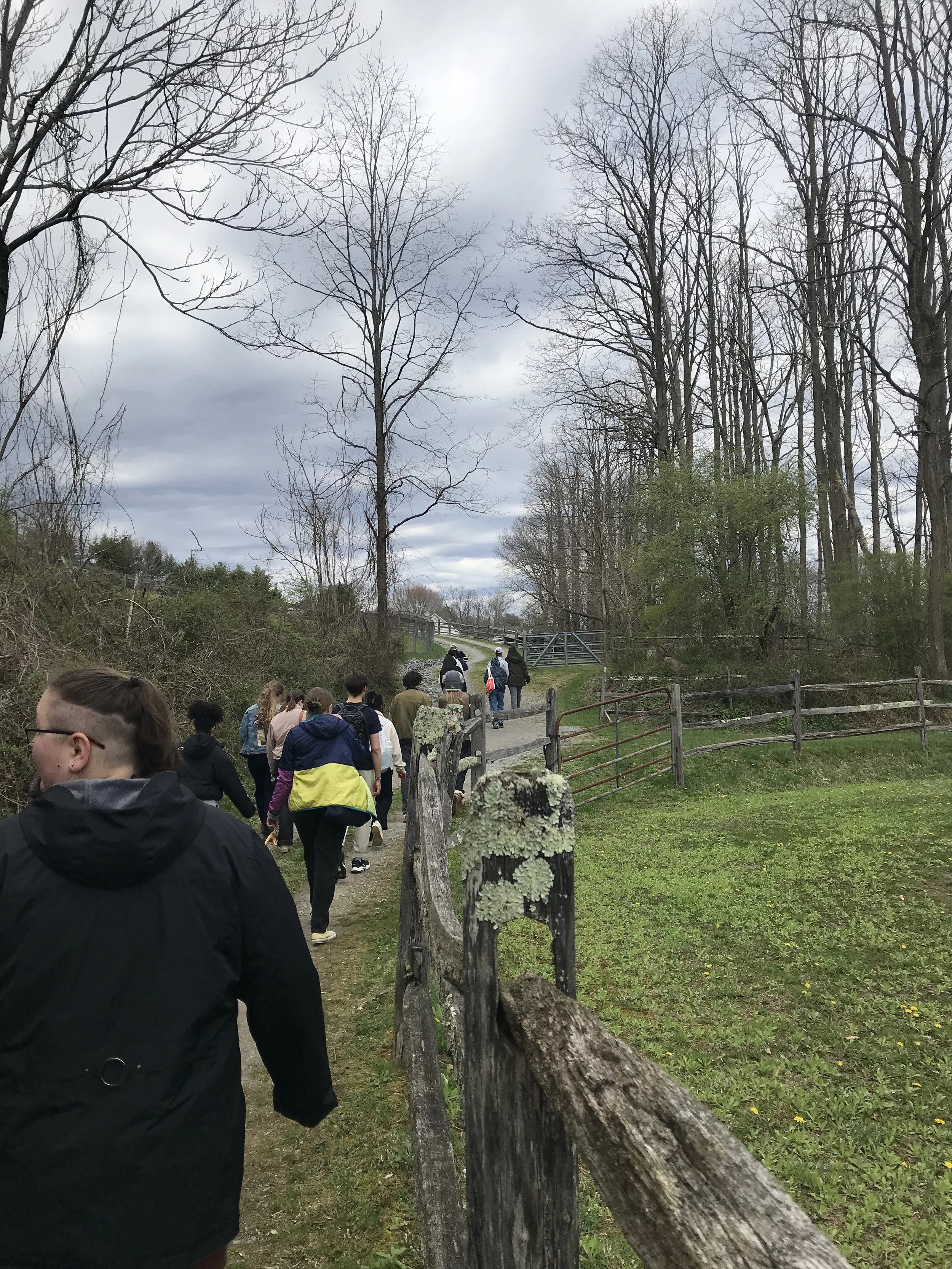
Join New York Fibershed for another Carbon Farm Tour! Experience this hands-on, educational event exploring how textile sourcing can positively impact climate change and regional economies.
What to expect
• Farm Tour & Alpaca Visit:
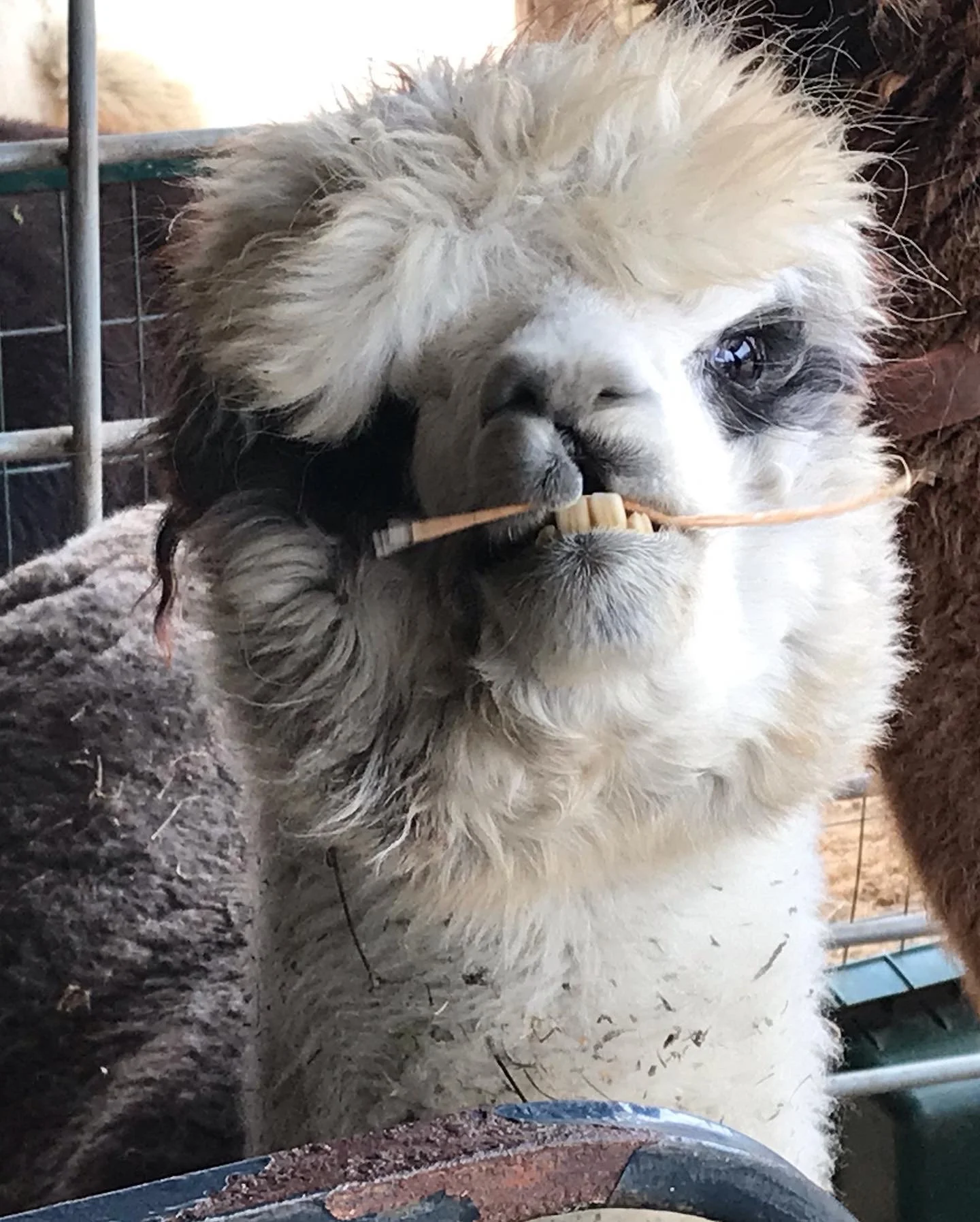
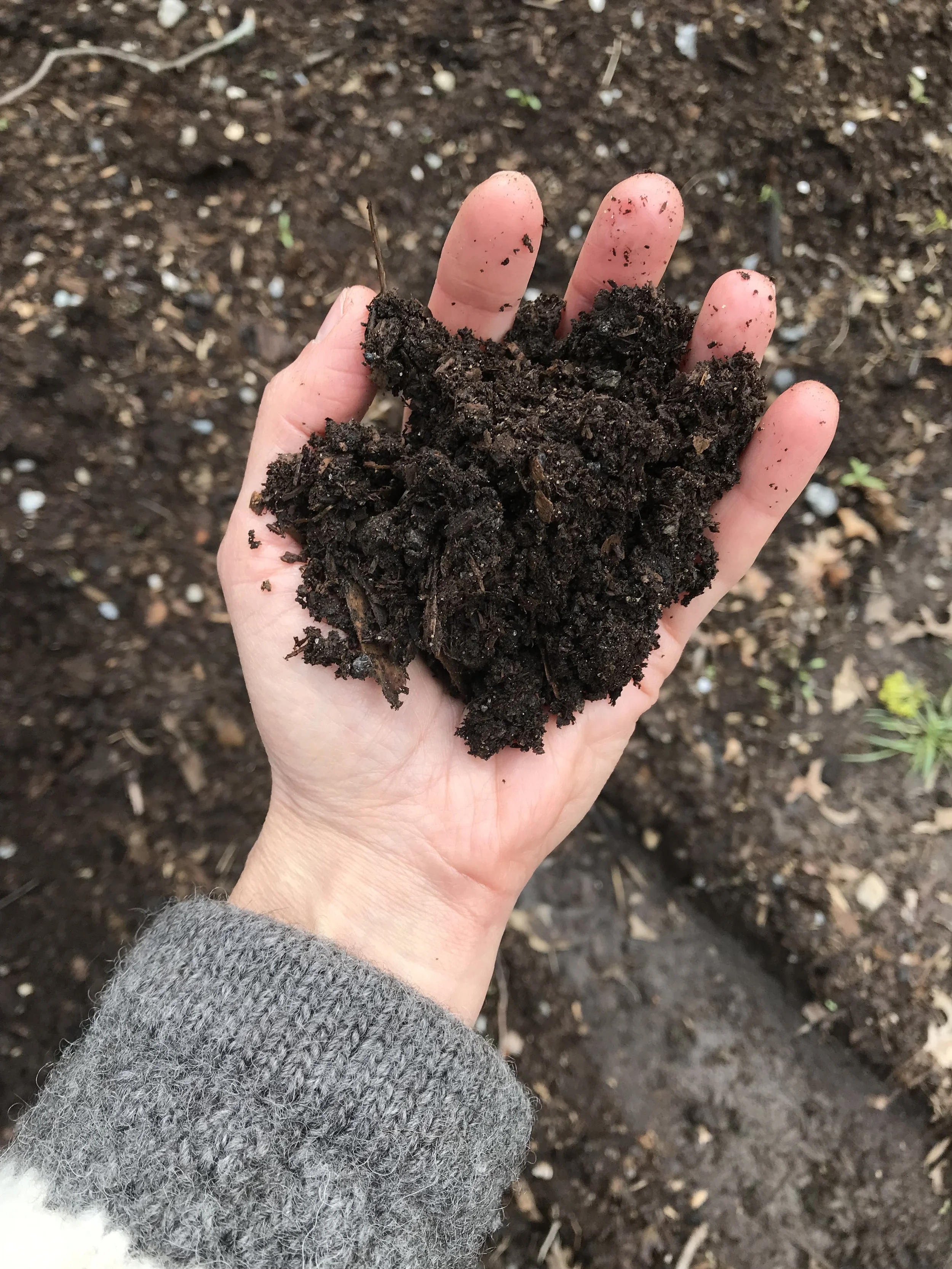
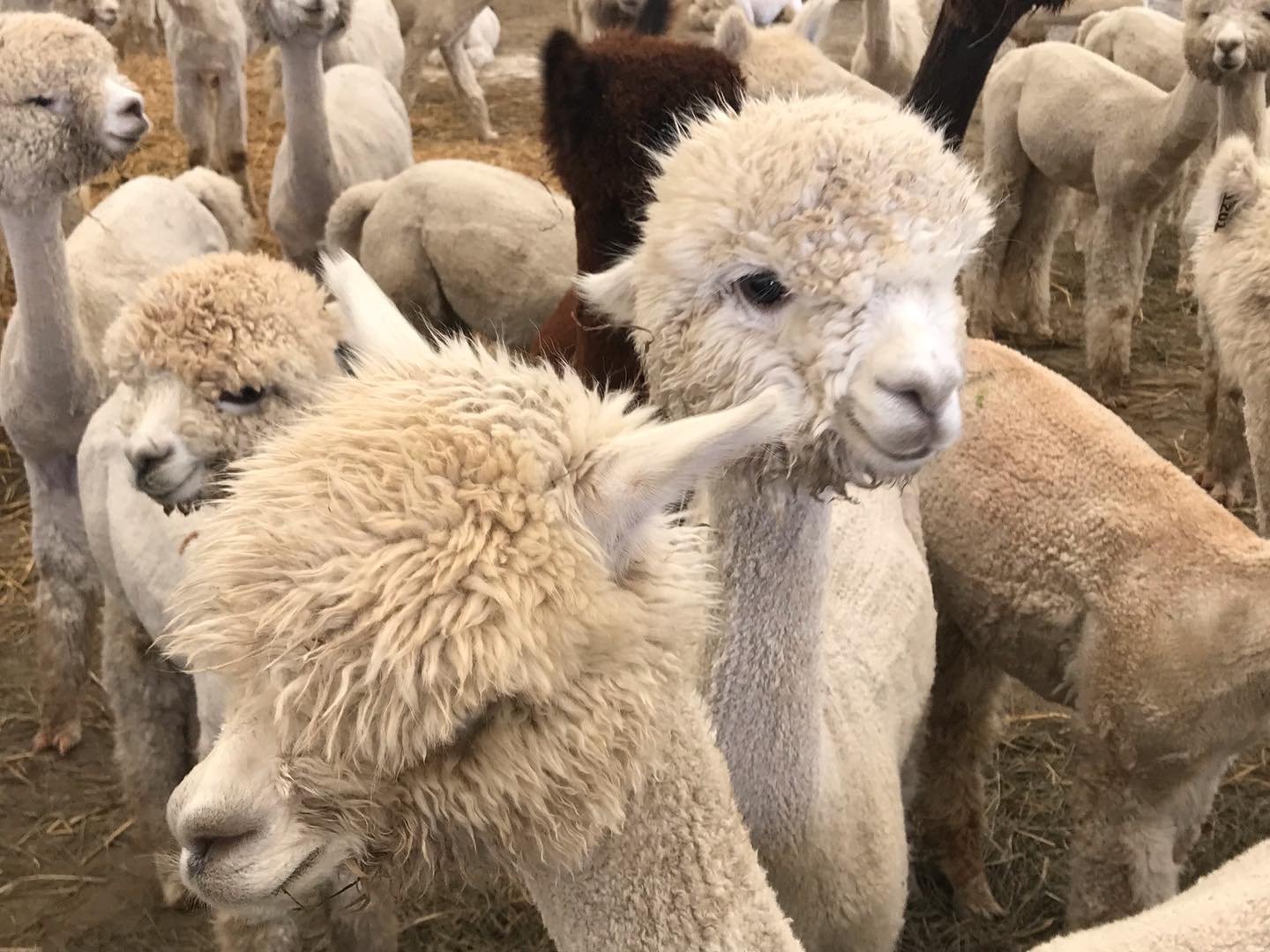
Take a guided tour of Faraway Farm Alpacas and see sustainable farming practices in action! See their compost system and learn about soil amendment. Get up close to the alpacas and explore their role in regenerative agriculture.
• Meet Industry Innovators:
Connect with leaders from the agriculture, design, and manufacturing industries who are driving the shift toward regenerative, climate-beneficial models in the regional textile sector.
• Climate Beneficial™ Verified Textile Displays:
Discover how textiles can help the climate and explore Climate Beneficial™ Verified textile products.
• Carbon Farming Talk:
Hear from New York Fibershed's Carbon Farm Planner about regenerative soil protocols.
• Expert Q&A Panel - Engage in a lively discussion with experts on topics such as:
Carbon sequestration practices on the farm
How farm management influences fiber quality
Regional fiber cultivation, processing, and manufacturing
Building a farm-to-product supply chain focused on slow growth and bio regionalism
Organizing cooperative economic models to uplift small businesses
Strategies for growing a socially and environmentally equitable textile industry.
Refreshments:
Light fare and beverages provided by Marbled.
New York Fibershed is a nonprofit organization dedicated to connecting and strengthening the fiber and textile communities across New York State. We are a community of farmers, processors, artisans, makers, designers, educators, and advocates working together to build a more circular and climate beneficial textile system.
We believe that what we wear, what we make, and how we connect to the land matters. Through educational programming, industry development, and collaborative projects, we strengthen the connections between soil, fiber, and community while supporting regenerative agriculture, local economies, and regional textile production.
Upcycling with Blockprinting
In person / Workshop/ Block Printing
Reimagine your textiles and clothes with new hand block printed patterns in this hands on workshop.
For a third year in a row, Cynthia Director Studio is hosting an upcycling blockprinting workshop for New York Textile Month.
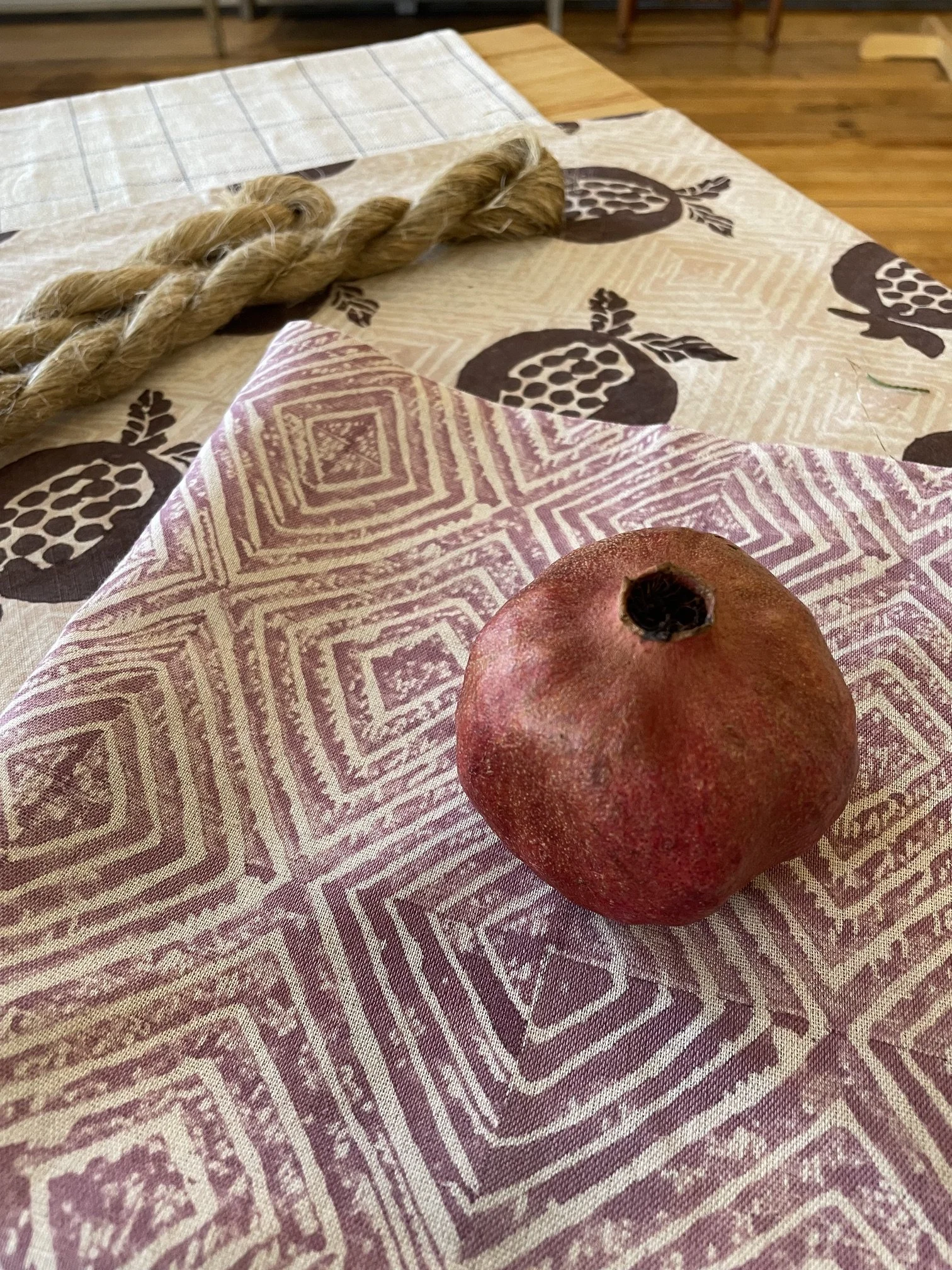
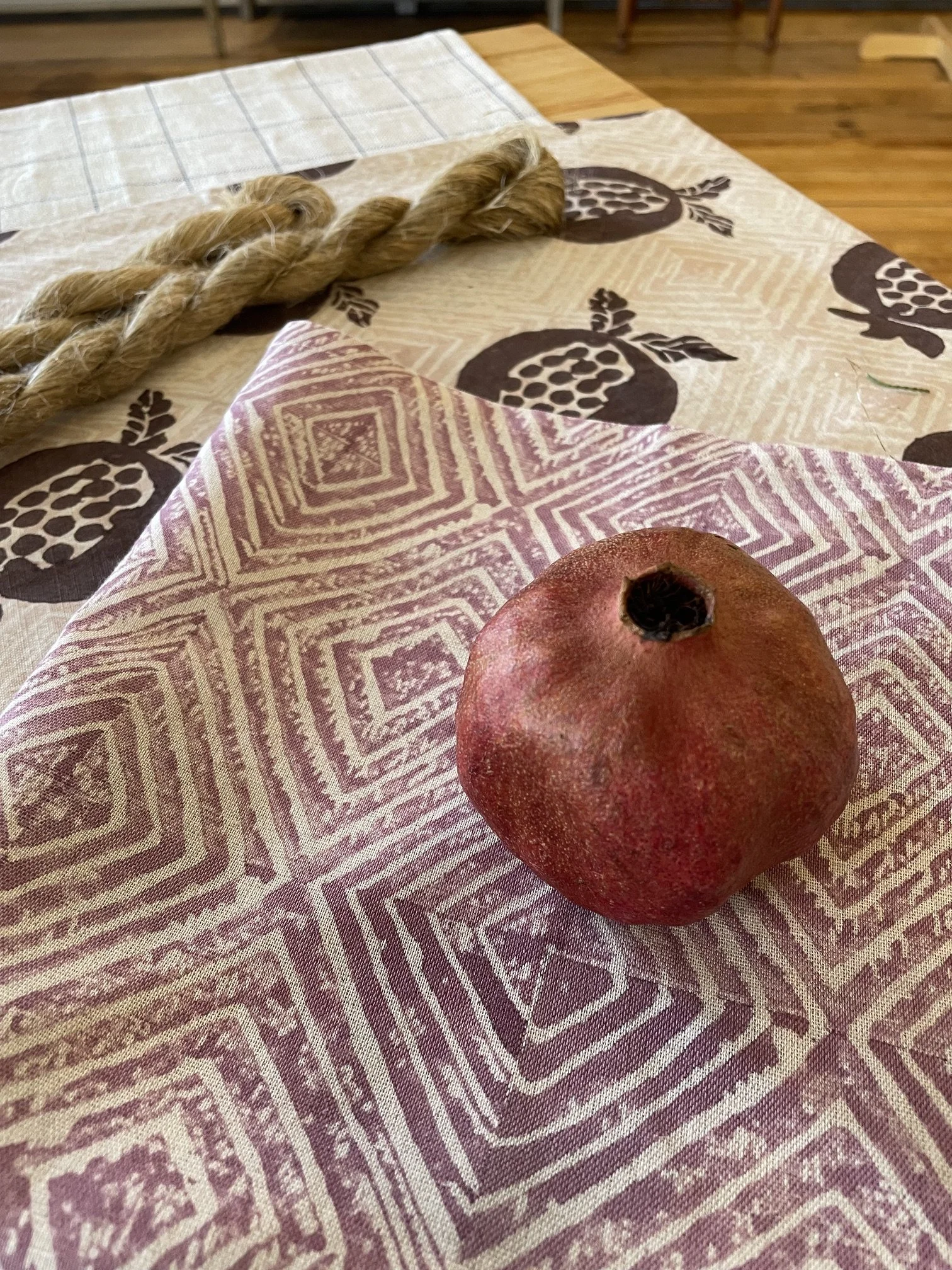
In this hands on workshop, there will be a demo about blockprinting, then participants will learn how to block print onto fabric and clothes. All of the blocks we use are sourced from India & we will be using water-based screen printing inks. This workshop includes a piece of fabric to print on.
Please bring your own shirts, fabric, napkins, tea towls, and clothes.
This workshop is offered in the morning or afternoon (both sessions are the same), or make an artistic day retreat and sign up for both sessions.
Saturday, September 19, 2026
9:30 AM - 12:30 PM
2:00 PM - 5:00 PM
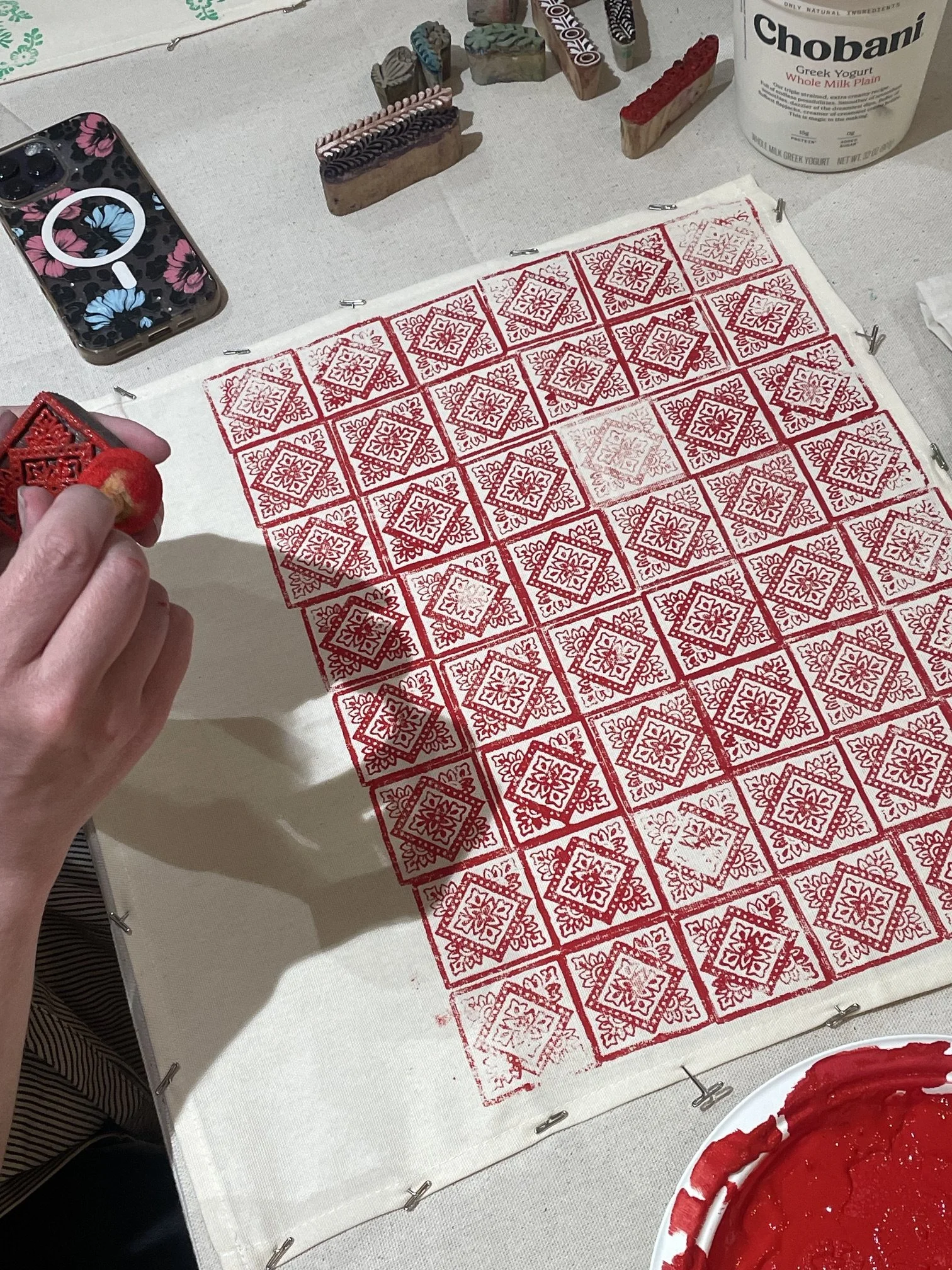
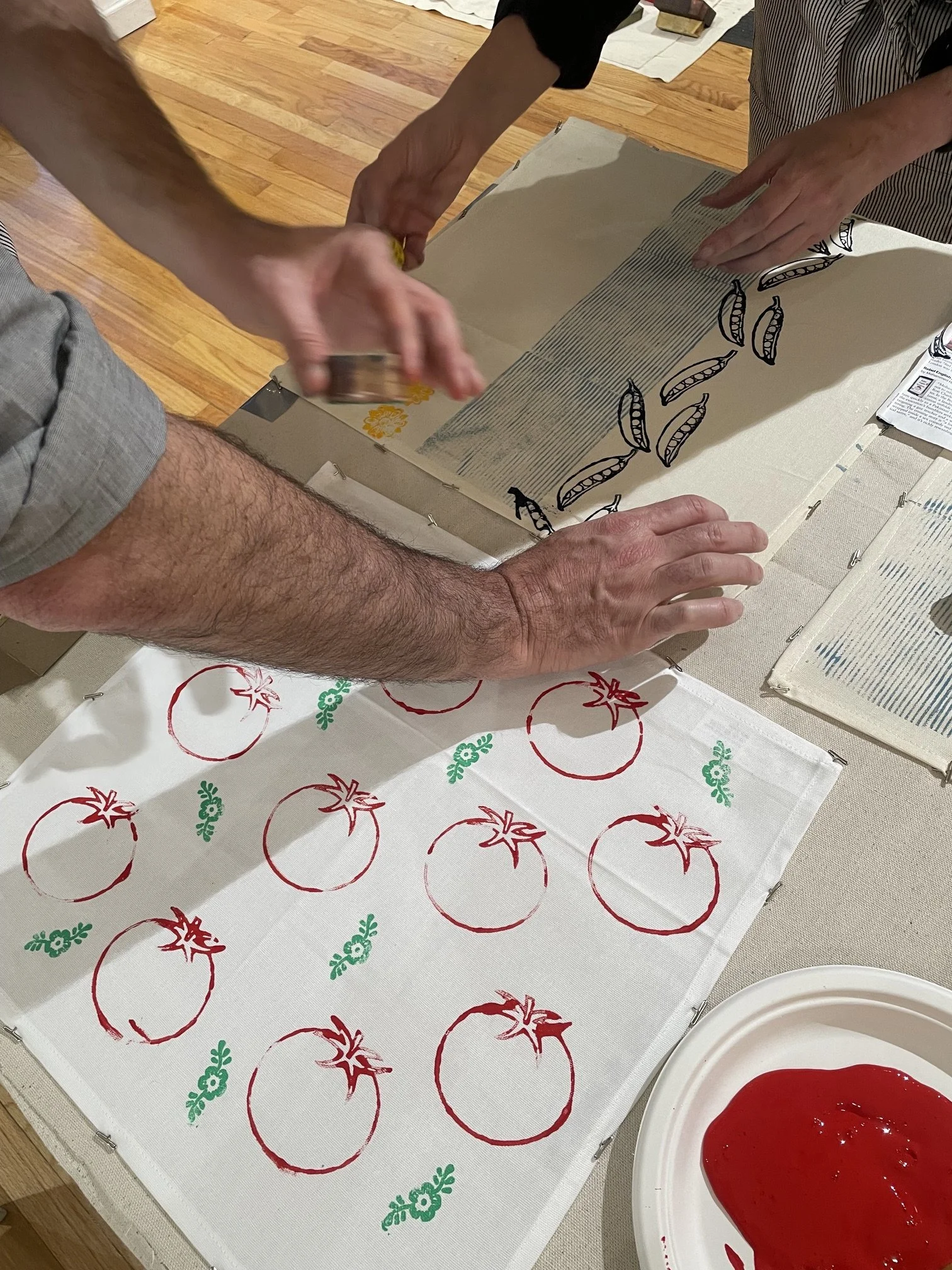
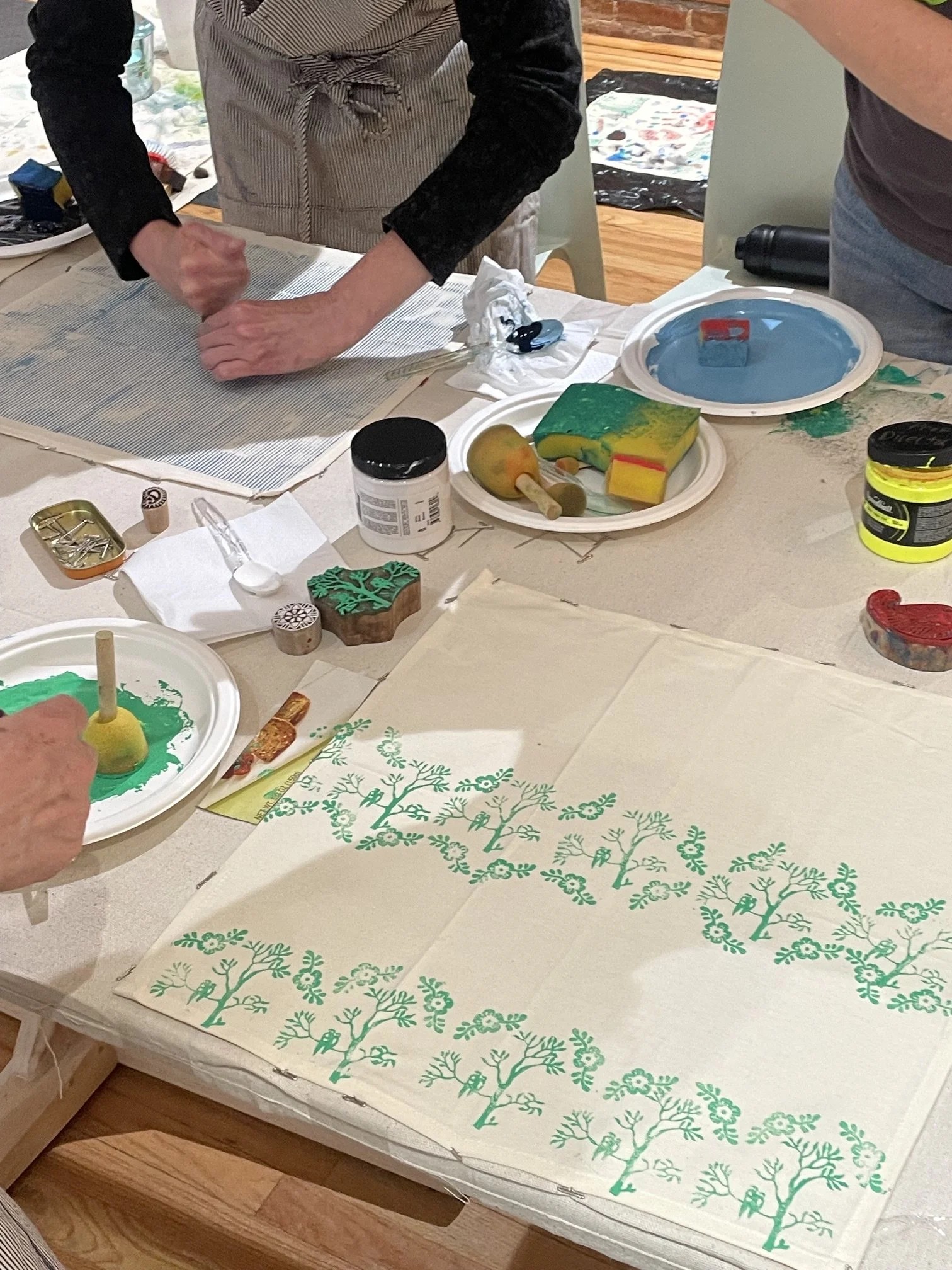
Cynthia Director is a fashion and home textile designer, artist and educator based in New York City and New Delhi. She has lived and worked as an international designer in India for over a decade. Her love of color, craft, travel and blockprints is inspired by her time in India. Cynthia is an assistant adjunct professor at FIT and a visiting professor at several design schools in India. She consults with home textile design businesses in the US and India, and has a home decor textile line of craft based products. She received her MA in sustainable textiles from University of the Arts London: Chelsea, and her BFA from Rhode Island School of Design.
Inside the studio: Luisa Mantelli at Drawing Room
In person / Exhibition / Multiple Techniques
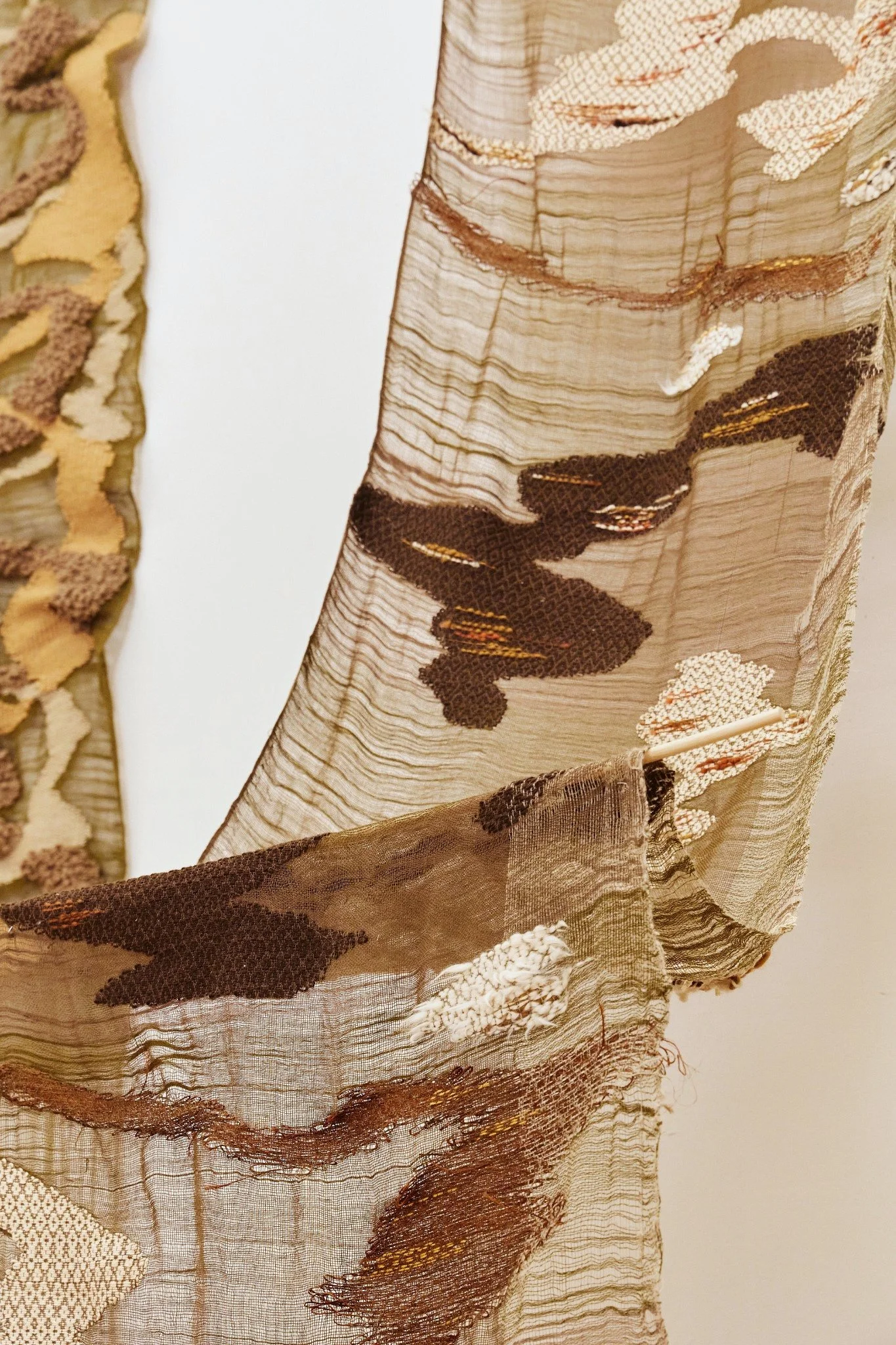
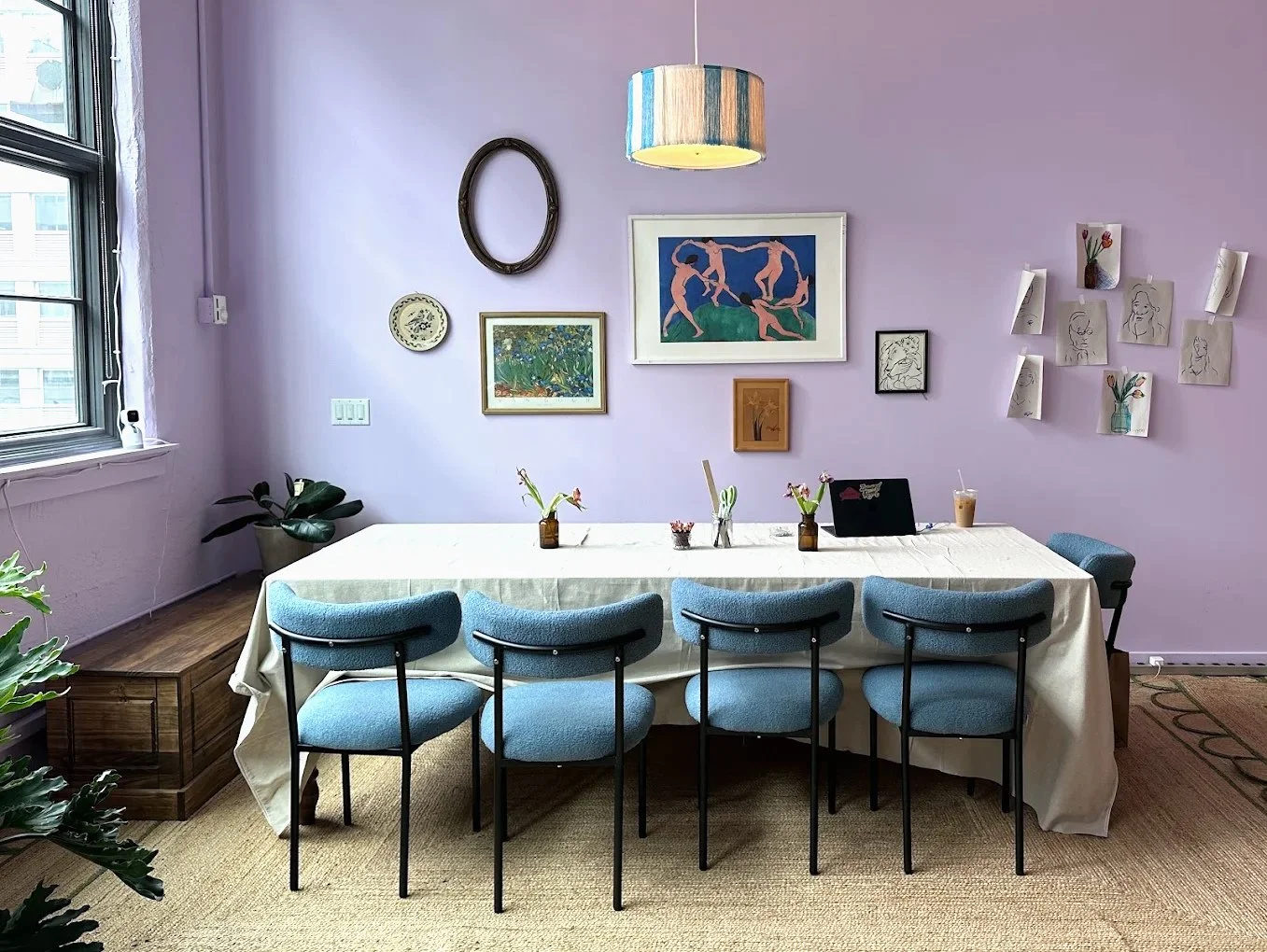
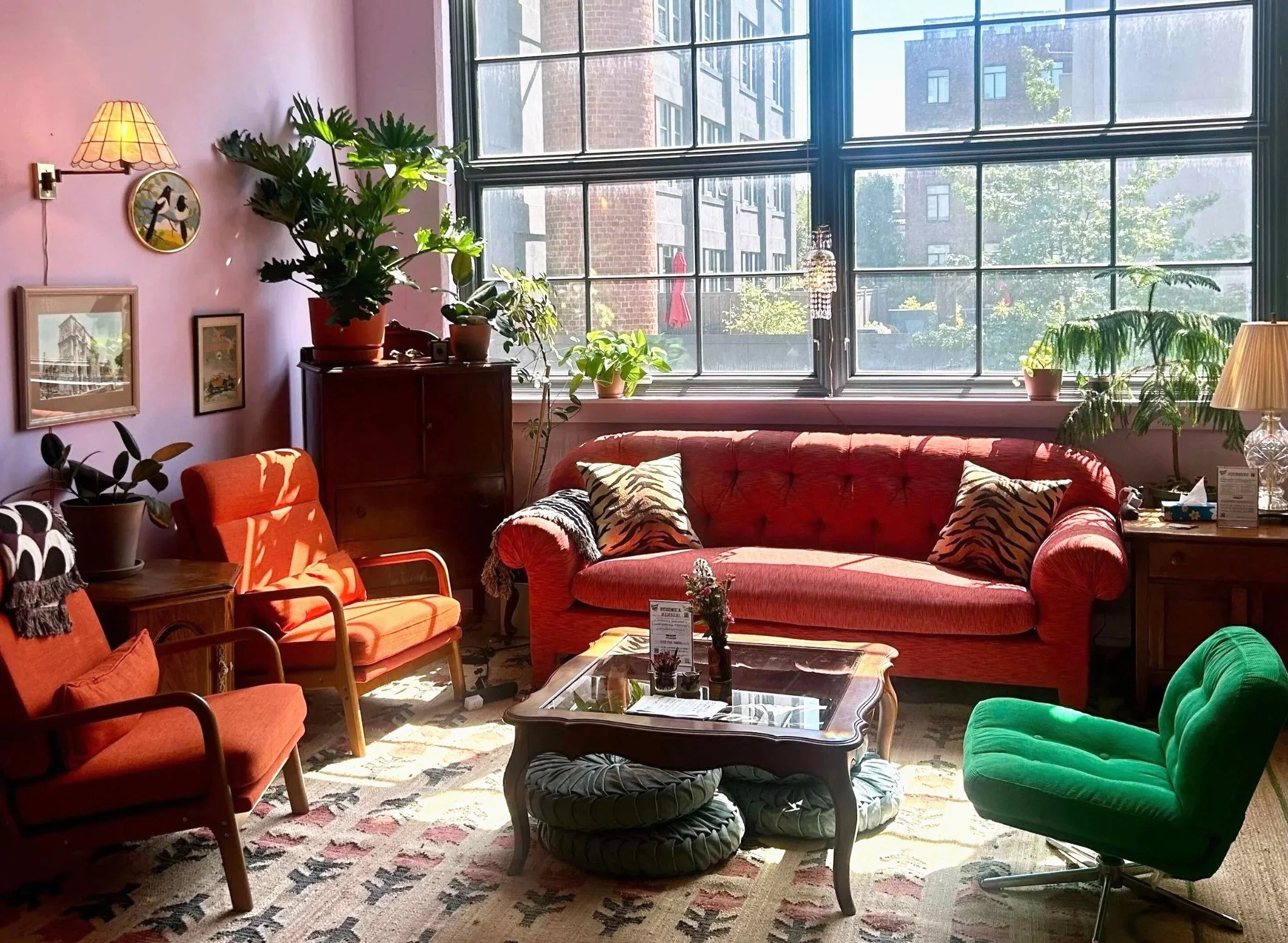
Drawing Room Williamsburg is opening its doors for an informal studio gathering with textile artist Luisa Mantelli as part of New York Textile Month.
For the occasion, Mantelli will bring together finished works alongside pieces still in progress, transforming the space into a studio where exhibition and making can coexist. Visitors will be invited to look closely at the work, see materials and processes in progress, and experience Drawing Room as both a working studio and a place for gathering.
Luisa’s work explores relationships between people and environments through weaving, crochet, embroidery, and other forms of material transformation.
The event is also an invitation to spend time together. Artists, makers, students, and anyone interested in textiles are welcome to come by, see the work, meet others in the community, and hang out at Drawing Room.
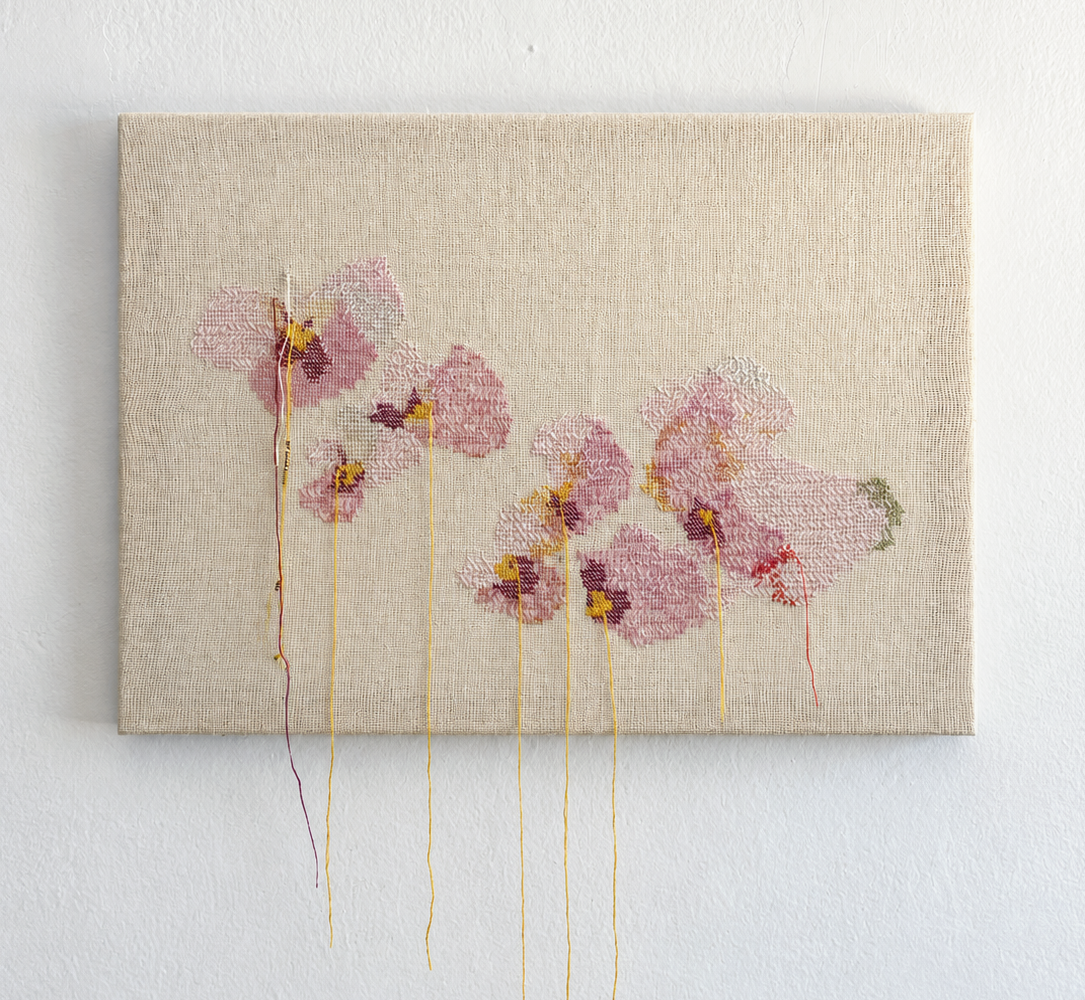
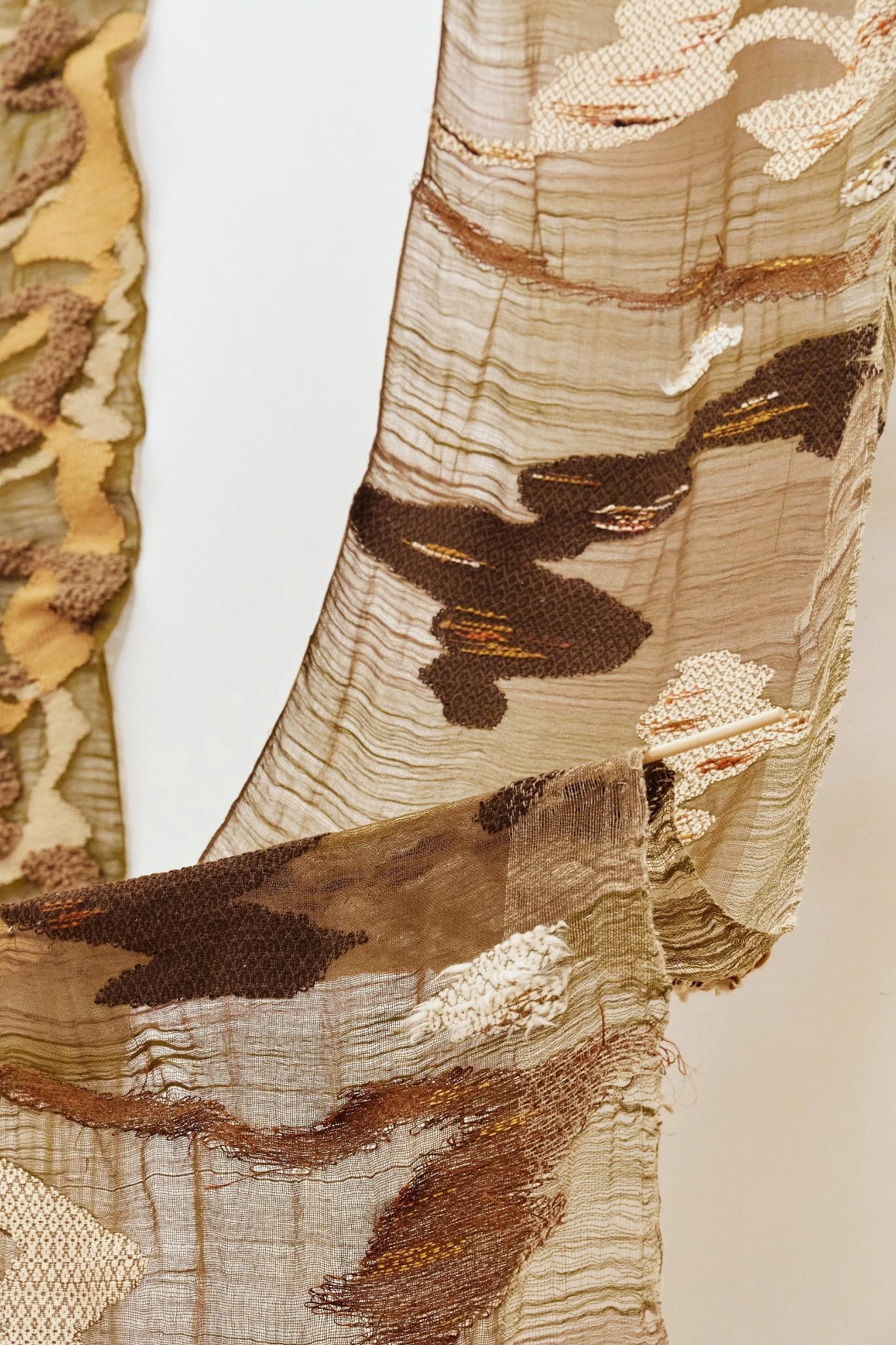
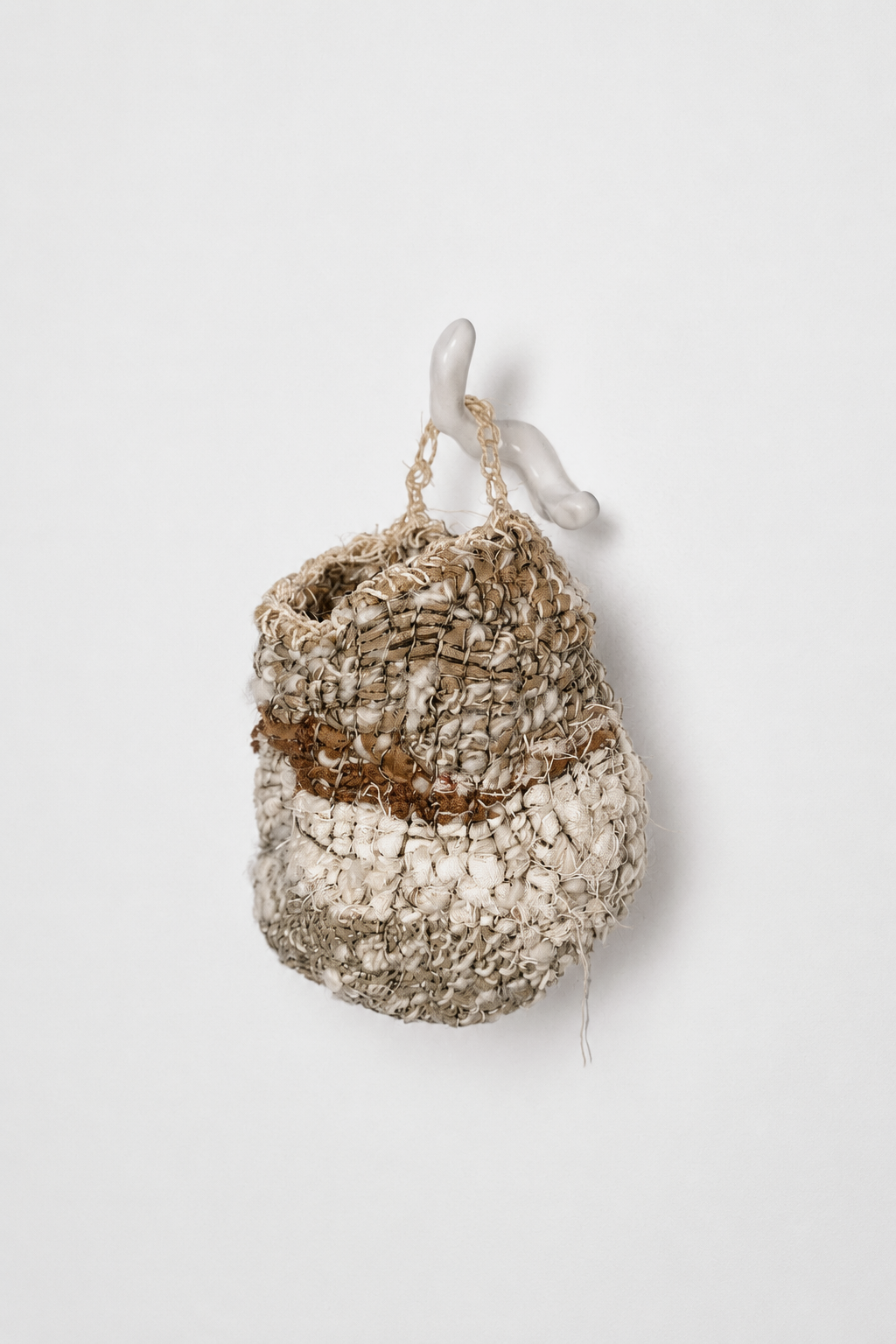
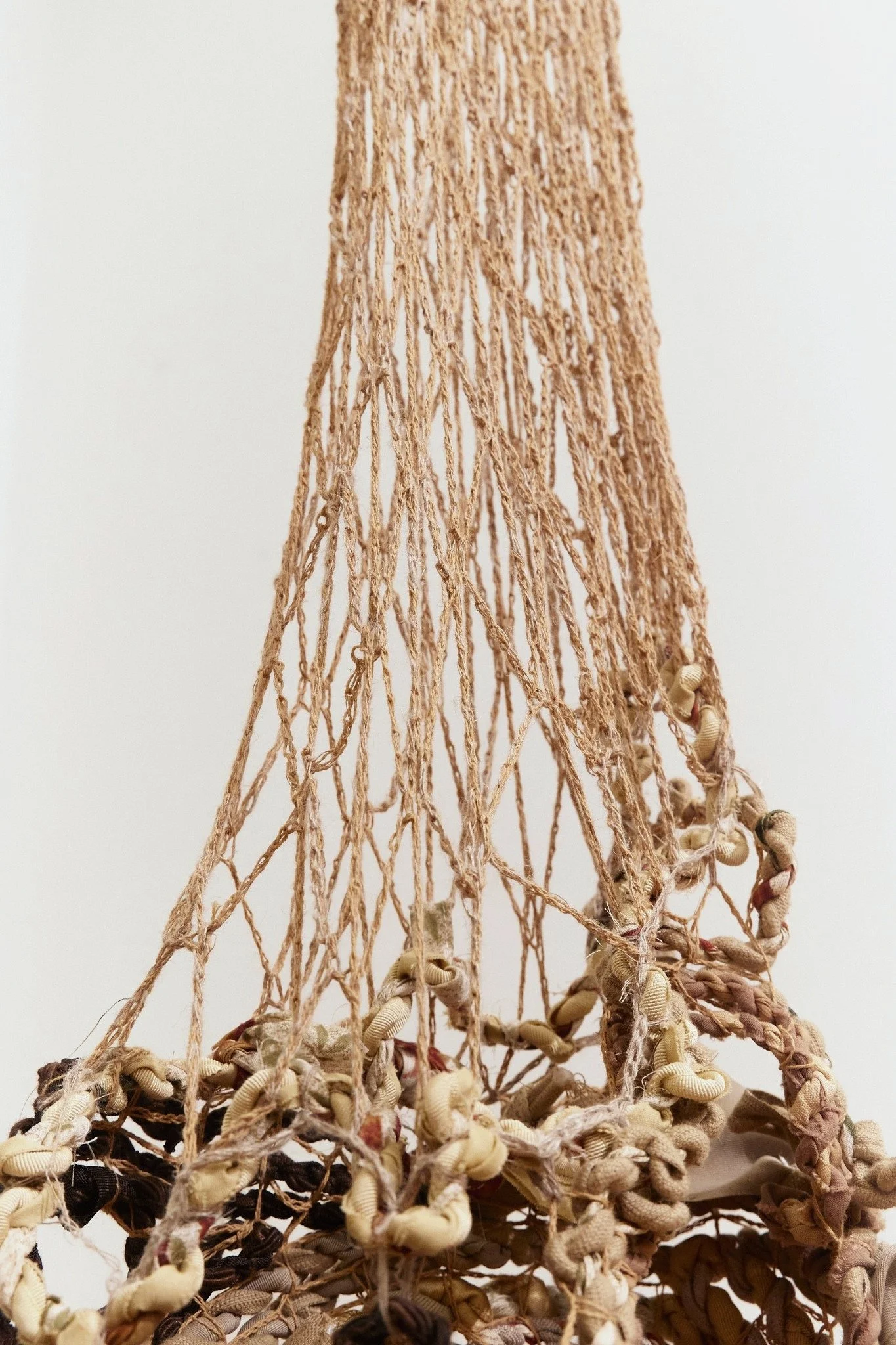
Luísa Mantelli is a Brazilian textile artist based in New York City. She earned her MFA in Textiles from Parsons School of Design in 2025, following earlier studies in architecture and urban planning. She combines studio practice with education as a part-time faculty member at Parsons School of Design, the Program Manager for ProjectArt, and an instructor at Drawing Room. Mantelli’s practice explores the relationships between people and their environments, translating themes of migration, influence, and transformation into sculptural textile forms.
Hemp Farm to Fabric - History and Future Summit
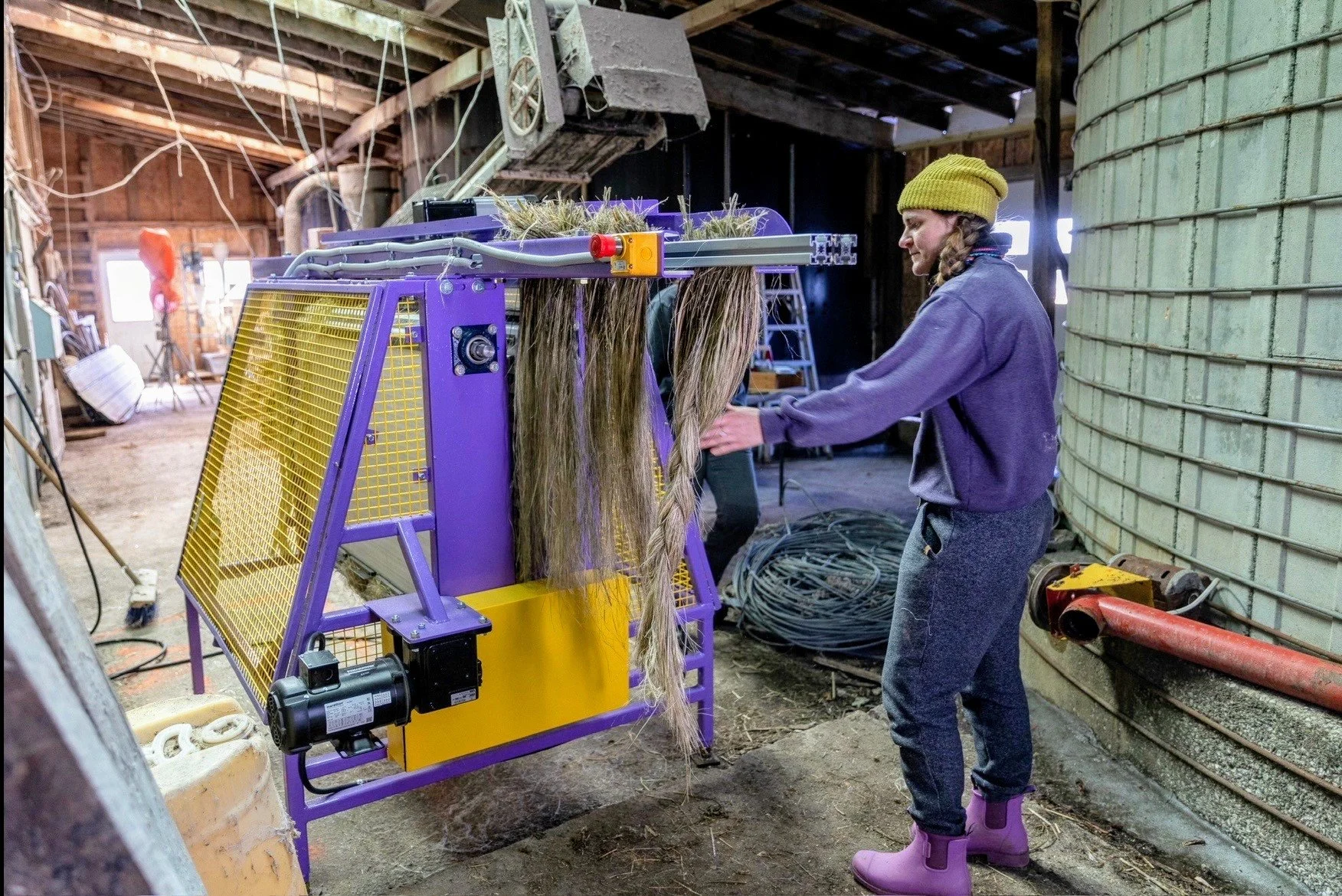
"The Farm-to-Fabric Hemp Textile & Fashion Summit brings hemp farming, textile innovation, and sustainable fashion to Brooklyn and Governors Island, September 18–20, 2026, as part of New York Textile Month."
One structural note carried over from the Mary Jaeger conversation: Friday/Saturday at Brooklyn Peace Center is an industry summit, and Sunday at Governors Island is a separate public fashion showcase and magazine launch — different venue, different audience, different vibe. If you want each to be independently discoverable and shareable (someone searching just for "hemp fashion show Governors Island" won't easily find a page titled "Summit"), it's worth giving Sunday its own calendar entry and SEO fields, cross-linked to this one, rather than folding it into a single page.
Fashion for Robots: Designing the Future
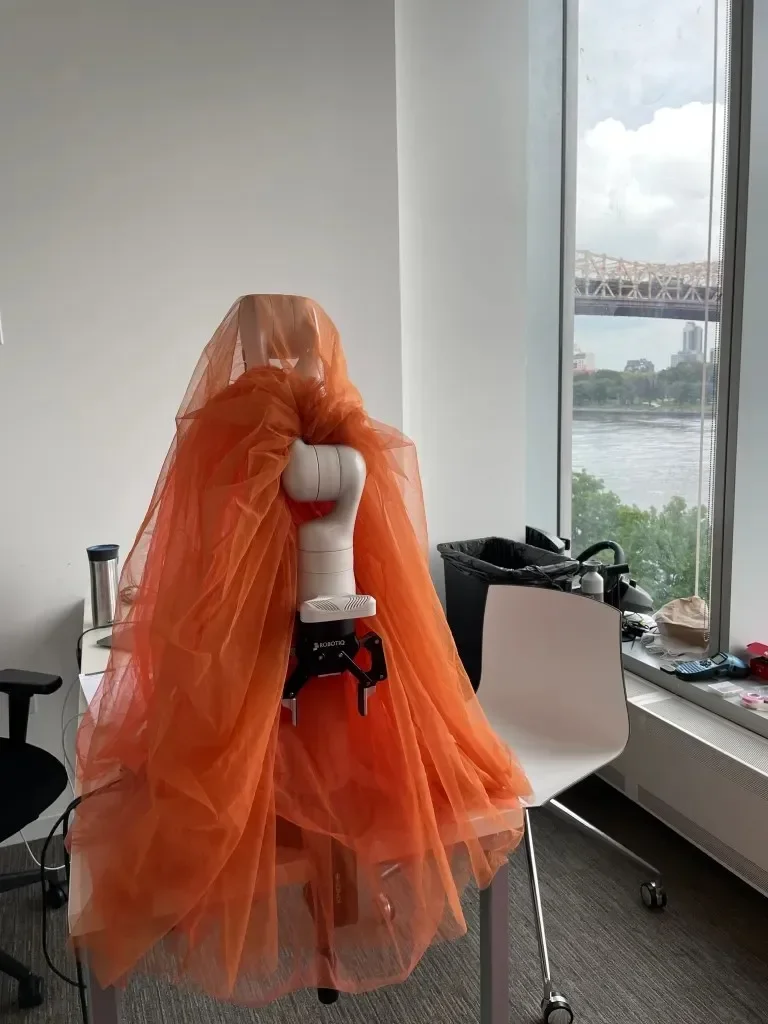
Fashion for Robots: Designing the Future — online talk and workshop with Natalie Friedman, New York Textile Month 2026
Haute Texture — Weaving Light in the Studio
Online/ Open Studio / Weaving
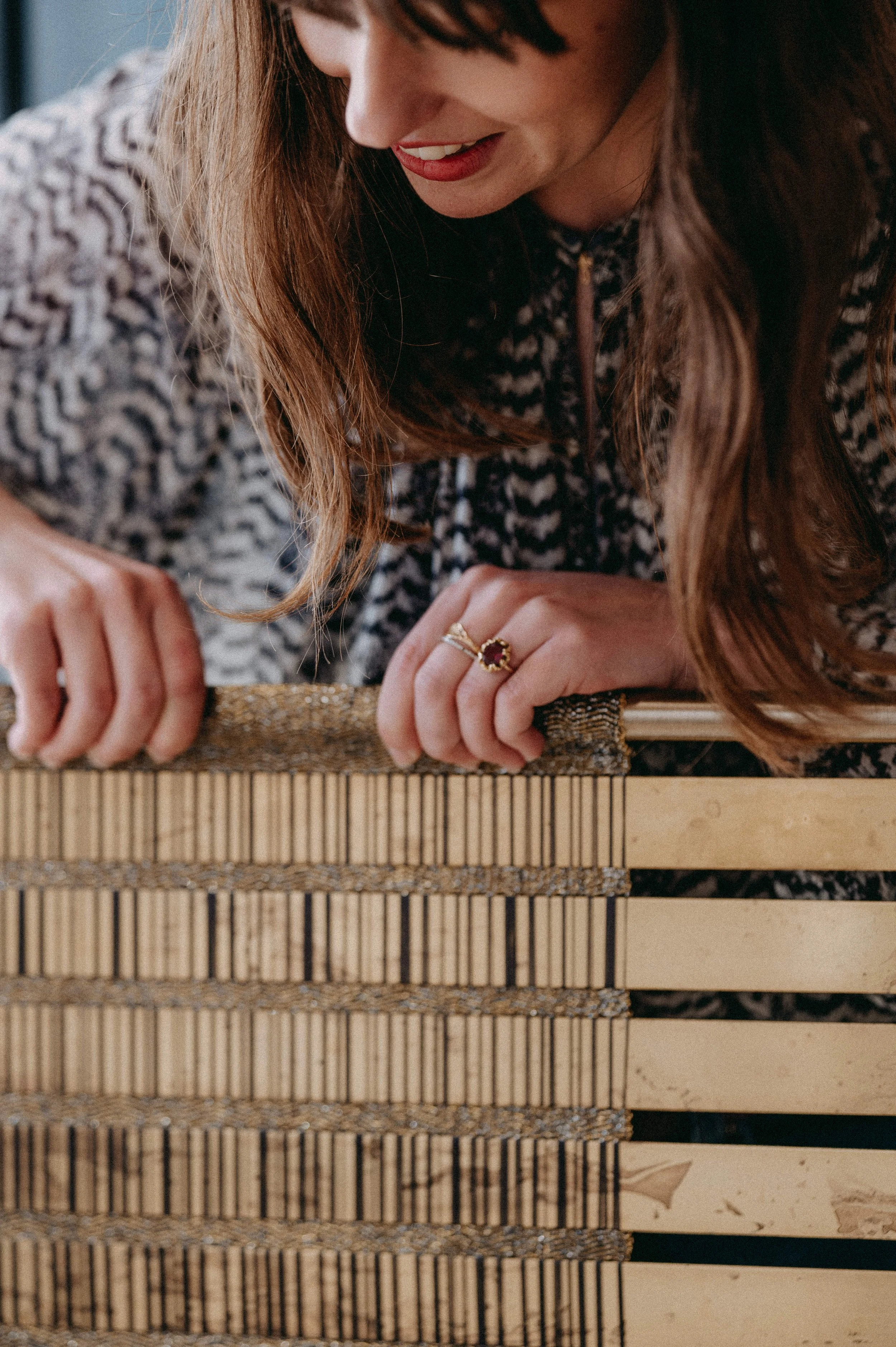
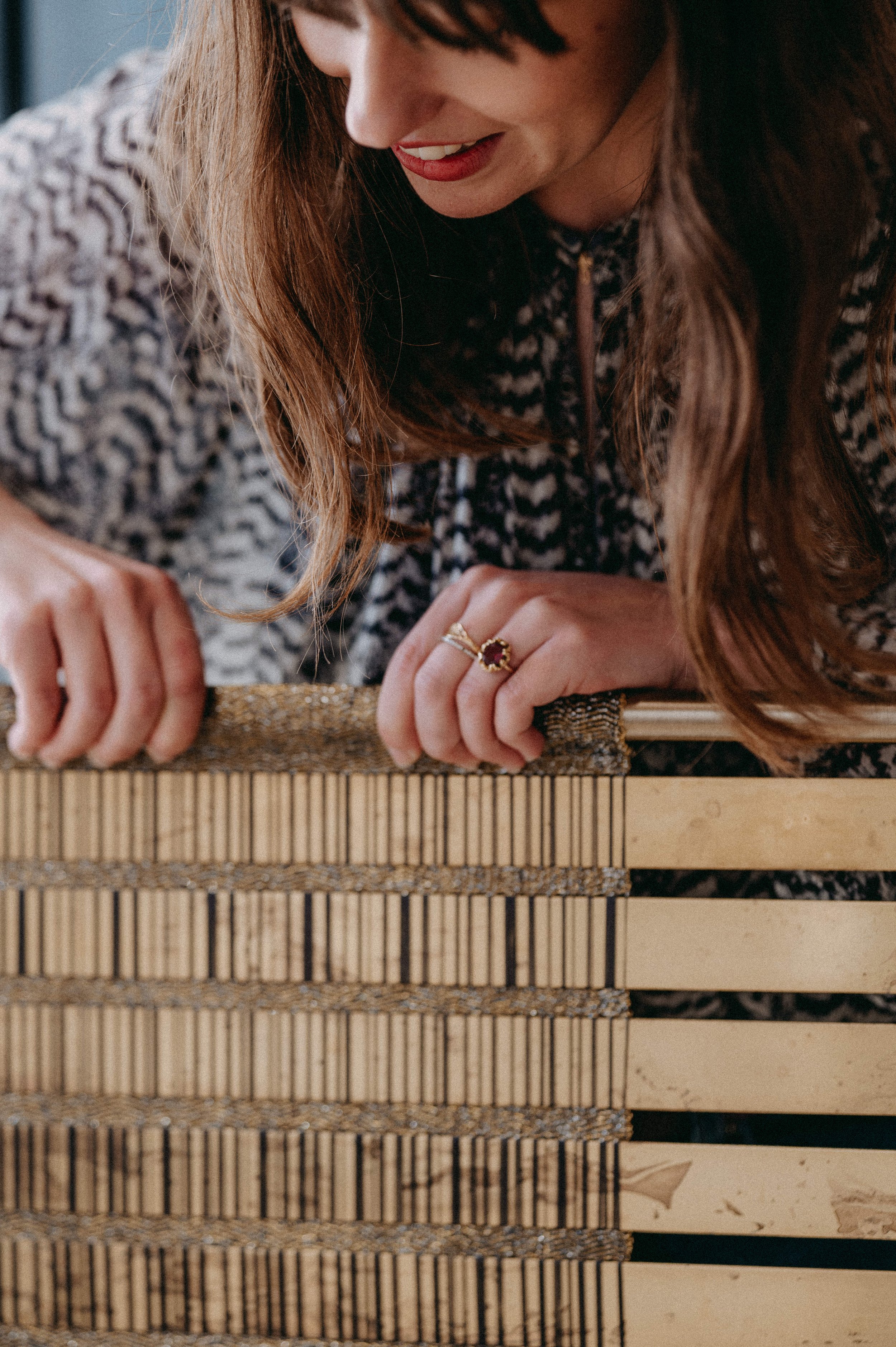
Adélaïde Germain opens the doors of her Paris studio for an online visit into architectural weaving. On a hand loom, she works in the spirit of French haute couture, treating swatches of reclaimed matter the way a couturier treats precious fabric. Her pieces are true garments for architecture, gowns that dress walls and let light move through them.
Everything begins with reuse. Eyewear acetate, brass, glass and materials salvaged from events, offcuts and manufacturers become the raw matter of her work, chosen for the way they hold and release light. From these fragments she composes surfaces of high texture, panels, screens and light filters conceived not as decoration but as building material, dividing space and shaping its light and acoustics. Her signature gesture, which she calls sertissage, is born from the meeting of weaving and architecture.
Filmed in her studio at the Manufacture de Belleville and presented in French with English subtitles, the session moves from the raw material to the gesture, then to a reading of her named pieces, including work shown at the Petit Palais in Paris. A live question-and-answer moment closes the event. Germain develops her practice with RÉEMPART, a non-profit turning reclaimed materials into cultural narratives.
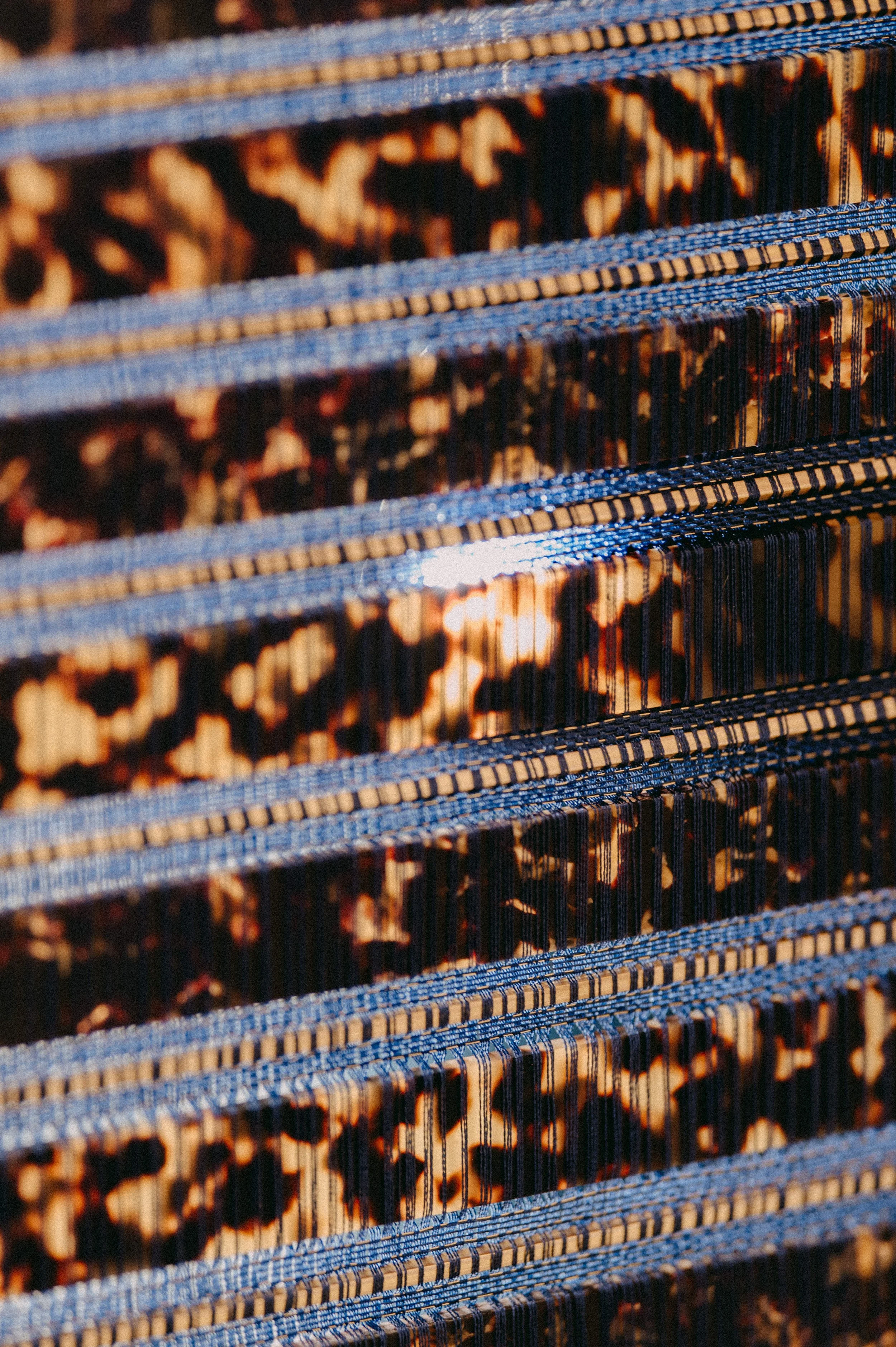
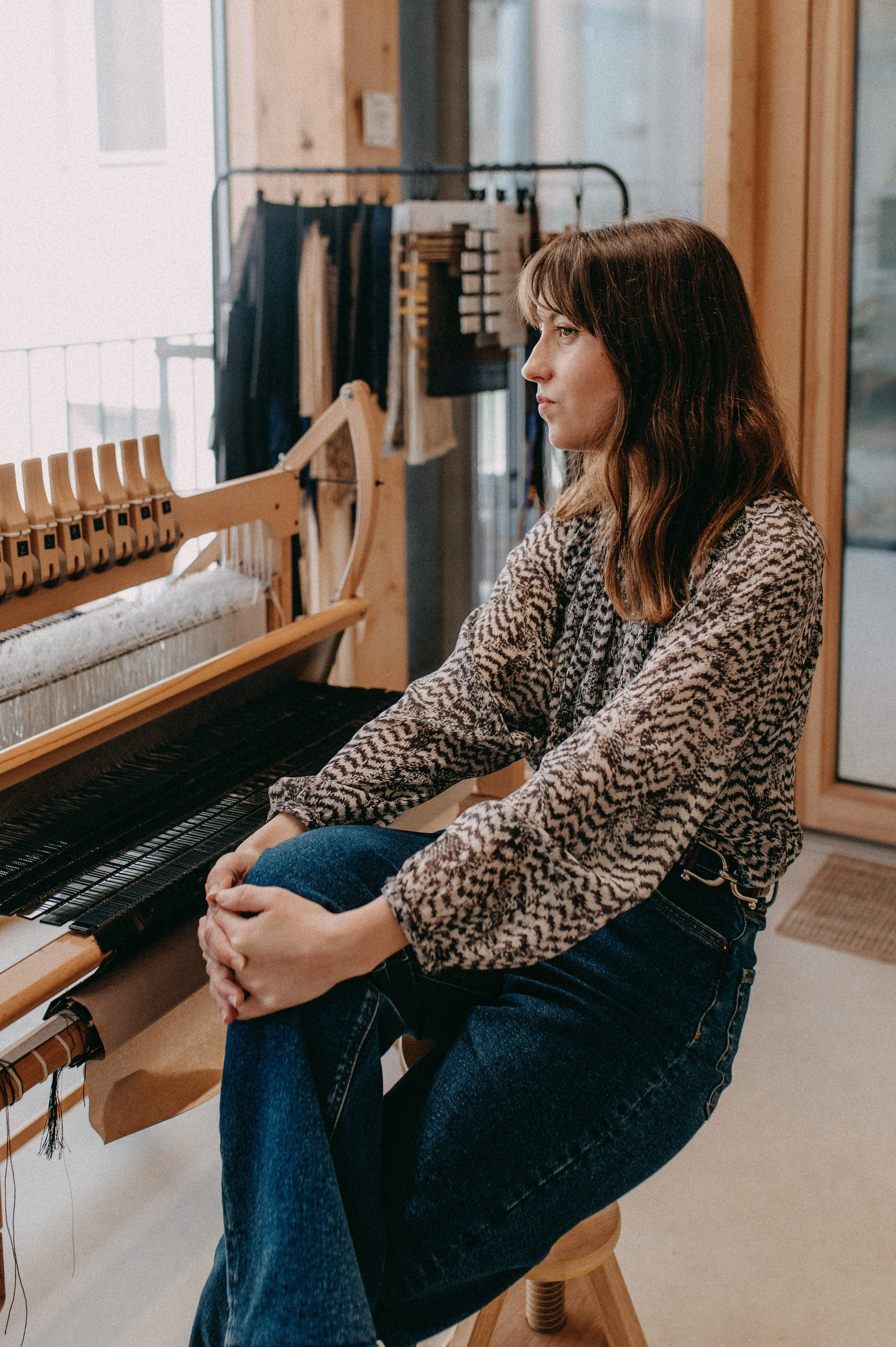
Adélaïde Germain is a Paris-based weaver working at the intersection of textile and architecture. On a hand loom, she creates architectural weavings, panels, screens and light filters conceived as building material rather than decoration, through a gesture she calls sertissage, born from the meeting of weaving and architecture. Reuse is her first creative constraint: eyewear acetate, brass, glass and salvaged materials become surfaces that hold and shape light. Her work has been shown at the Petit Palais in Paris. She develops her practice with RÉEMPART, a non-profit turning reclaimed materials into cultural narratives, which supports her research and productions.